Understanding Food and Beverage Categories and Service
Understand how food and beverage businesses, product categories and service formats differ, then explore focused drink guides.
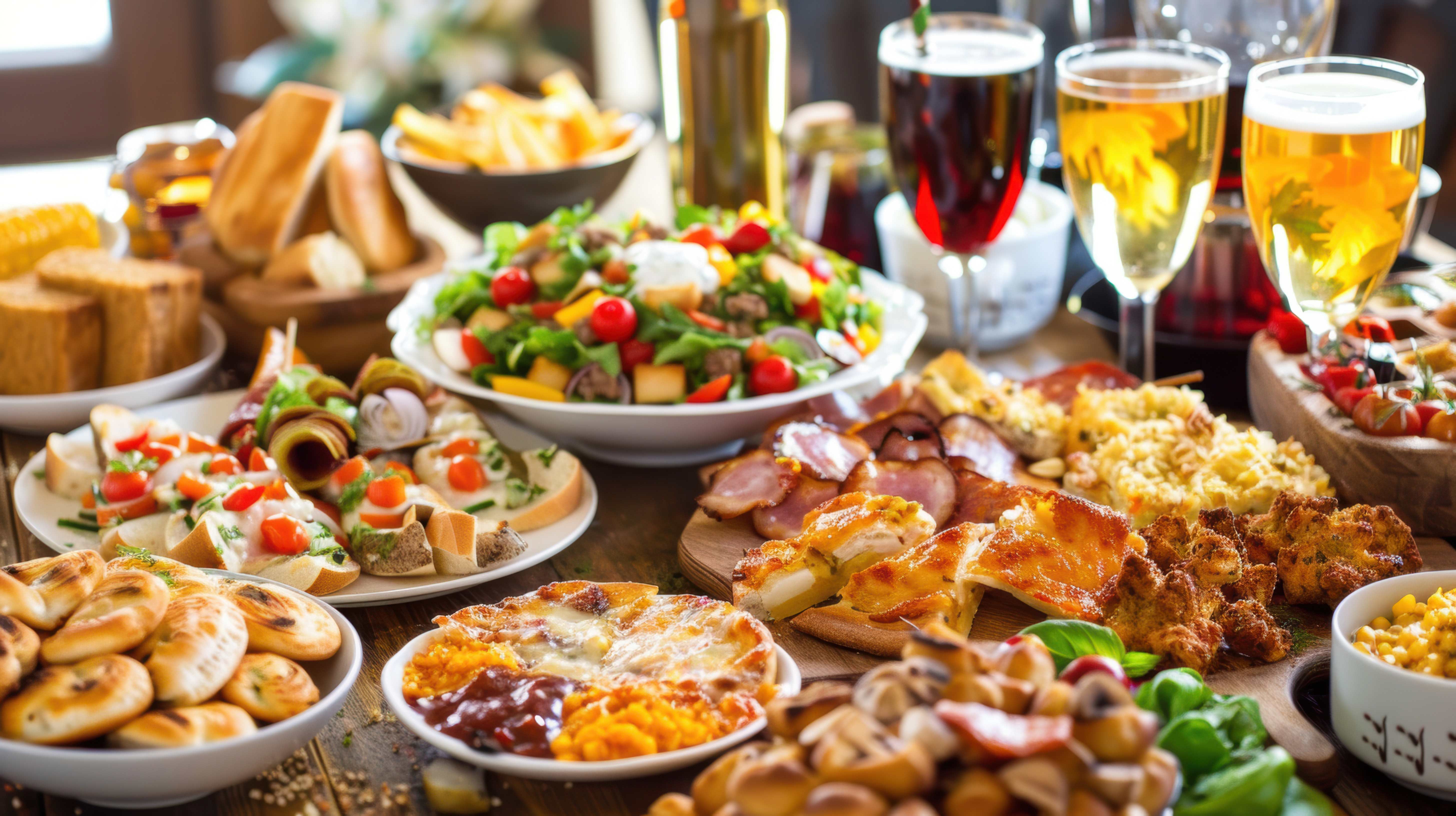
Food and beverage is a useful umbrella term, but it describes more than one industry. It can mean the food and drink served at a restaurant, packaged goods on a supermarket shelf, or the departments that produce, distribute, and sell those items. The distinction matters when comparing products, planning a menu, or reading a business report. Start with what is being offered, where it is delivered, and how the customer will use it. Those three questions help make sense of an otherwise broad category.
What counts as food and beverage?
Food generally describes edible products such as prepared meals, produce, bakery items, snacks, and ingredients. Beverages are liquids intended for drinking, from water and coffee to juice, milk-based drinks, and alcoholic products. A restaurant may prepare both in-house, while a store can sell packaged versions of the same items. Categories often overlap: soup is liquid but usually treated as food; a ready-to-drink meal replacement is a beverage with a nutrition-oriented purpose. Rather than debating one perfect classification, use categories that help people find, compare, and safely handle what they need.
Three different business contexts
Foodservice means consumption oriented around restaurants, cafeterias, hotels, catering, or similar venues. Operational questions include preparation time, staff workflow, portion consistency, refrigeration, and service. Retail focuses on items the customer chooses and takes home; package information, shelf position, price, and stock availability matter. Packaged production involves formulations, manufacturing standards, labeling, distribution, and shelf-life controls. The same drink might appear in all three settings, but its container, unit cost, and customer expectations can change sharply. A distributor's product list is not automatically a useful restaurant menu.
How customers make different decisions
A diner choosing lunch may prioritize the meal, wait time, and a beverage that pairs with the food. A shopper choosing a carton of milk may check ingredients, size, storage directions, and price per unit. A workplace buying beverages for a meeting must consider dietary preferences, serving format, trash, and replenishment. These are different user journeys even if the underlying product is identical. Good information architecture follows the decision a person needs to make instead of placing every possible item on one oversized "food and beverage" page.
A practical way to classify products
Build a simple three-column inventory. In the first column, write the product family: food, nonalcoholic beverage, or alcoholic beverage. In the second, describe its setting: prepared-to-order, packaged retail, or bulk service. In the third, record the buying or usage question: taste, ingredients, convenience, budget, service requirements, or suitability for a specific event. A ready-to-drink protein shake, for instance, falls under a packaged nonalcoholic beverage where the label deserves close attention. A pitcher of fruit-infused still water at a restaurant is primarily a menu and preparation decision.
Where the focused guides take over
Use a broad overview to locate the right specialist question, not to answer every one of them. People who need the difference between tea, sparkling water, energy drinks, and sake should start with the beverage categories guide. A restaurant operator evaluating noncarbonated flavored drinks needs menu testing rather than a general taxonomy. Guests trying to organize a night out need timing and budget advice, not an industry analysis. Even a "no food or drink" sign serves a communication problem rather than a food-selection problem. Those focused topics deserve distinct pages and clearer answers.
The takeaway
Food and beverage is a category of products and a set of related businesses, not one single buying decision. Define the setting first, then choose a narrower question. Keeping terminology, consumer choices, and foodservice operations separate makes the information easier to use and prevents a general guide from repeating every specialist article.
Quick checklist
Identify whether the question is about the product, its label, or the service setting.
Separate prepared foodservice from packaged retail and production.
Use specialist drink guides for ingredients, labeling, and preparation details.
Continue exploring
For a related question, see types of beverages; still-flavored drinks for foodservice; wording for no-food-or-drink signs; food and drink advent calendar planning; and planning a dinner-and-drinks evening.