What Are the Main Types of Beverages?
Compare drink categories by ingredients, carbonation, alcohol content and everyday use without confusing category labels with health claims.
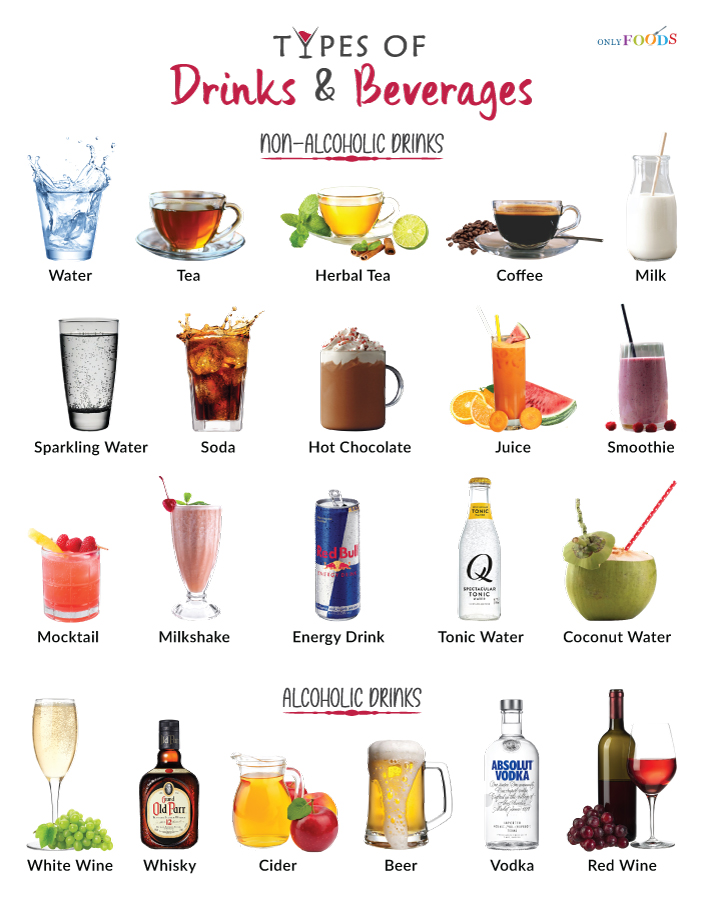
The phrase "types of beverages" can refer to ingredients, preparation, carbonation, alcohol, or purpose. No single chart captures all those dimensions, because the same drink may belong to several categories. A flavored sparkling water, for example, is nonalcoholic, carbonated, packaged, and often marketed as a refreshing everyday drink. This guide provides a practical classification you can use when reading menus and labels without treating marketing names as scientific categories.
Nonalcoholic drinks: start with the basics
Plain water and unsweetened sparkling water are straightforward hydration choices, but flavored waters can vary in added sugar, sweeteners, and juice content. Tea and coffee form another family, although they may be sold hot, cold, sweetened, or blended with dairy. Juice, fruit drinks, milk, and plant-based alternatives add yet more distinctions. On a menu, a drink's family may help people locate it quickly; for nutrition comparisons, the ingredient list and serving size tell a more reliable story. "Natural," "clean," and "functional" are not substitutes for reading the package.
Still, sparkling, fermented, and mixed
"Still" describes a drink without carbonation; "sparkling" describes bubbles, usually from dissolved carbon dioxide. The terms tell you something about texture, not automatically about nutritional value. Fermented drinks form another group, although fermentation can produce alcoholic and nonalcoholic products depending on the process and final formulation. Mixed beverages combine components such as juice, soda water, herbs, syrups, or spirits. The mixing method is a preparation style rather than a separate nutritional category. A menu can organize by still versus sparkling even while a label organizes by total carbohydrate or caffeine.
Alcoholic families need separate labels
Beer, wine, cider, sake, distilled spirits, and cocktails are commonly grouped as alcoholic beverages. They differ substantially in ingredients and production. Sake is brewed using rice, koji, water, and yeast; it is not simply a distilled rice spirit. Vodka-and-seltzer drinks combine a distilled spirit with carbonated water. Their presentation as light or refreshing does not remove alcohol content. When organizing a venue menu, list alcoholic options clearly and include appealing alcohol-free alternatives. Legal drinking age, responsible service, and venue rules still apply independently of how a drink is categorized.
Functional, energy, and nutrition-oriented products
Energy drinks are commonly marketed around alertness and stimulants, whereas nutrition drinks may emphasize protein, energy intake, or added nutrients. Terms like "high protein" or "zero sugar" address particular label properties; they do not establish that a product is appropriate for every individual. Check caffeine amounts and container sizes on energy beverages, and compare protein, calories, and added sugars for nutritional beverages. A drink can have more than one feature: a sugar-free caffeinated product remains an energy drink. Brand families and formulations may also change, making the actual package more useful than an old online summary.
Use the right comparison question
Instead of asking which drink type is "best," specify what matters: avoiding carbonation, controlling added sugar, limiting caffeine, choosing an alcohol-free option, or planning foodservice preparation. Compare like with like. A ready-to-drink shake and plain seltzer serve different needs even if both are in the same refrigerator case. Start with serving size, ingredients, relevant nutrients, and practical use. For safety issues such as collected rainwater, the relevant distinction is treated drinking water versus an unverified source, not whether the liquid looks clear.
Build a useful drinks menu
For a small menu, begin with categories customers instantly recognize: water and sparkling water, coffee and tea, juices and fruit drinks, other nonalcoholic options, then alcoholic beverages where permitted. Add short descriptors such as "unsweetened," "contains caffeine," or "noncarbonated" only when supported by the actual product or preparation. This lets guests navigate quickly without requiring every drink to fit an elaborate taxonomy.
Quick checklist
Classify drinks by ingredients, process, carbonation, alcohol, and purpose.
Use the package, not just a category name, for sugar and caffeine comparisons.
Keep safety questions and medical nutrition decisions separate from menu taxonomy.
Continue exploring
For a related question, see food and beverage categories; reading nutritional beverage labels; choosing keto-friendly drinks; what sake is and how it is brewed; and rainwater drinking-safety guidance.