How to Plan a Food and Drink Advent Calendar
Compare food-and-drink advent calendar formats, packaging issues and a do-it-yourself approach for different audiences.
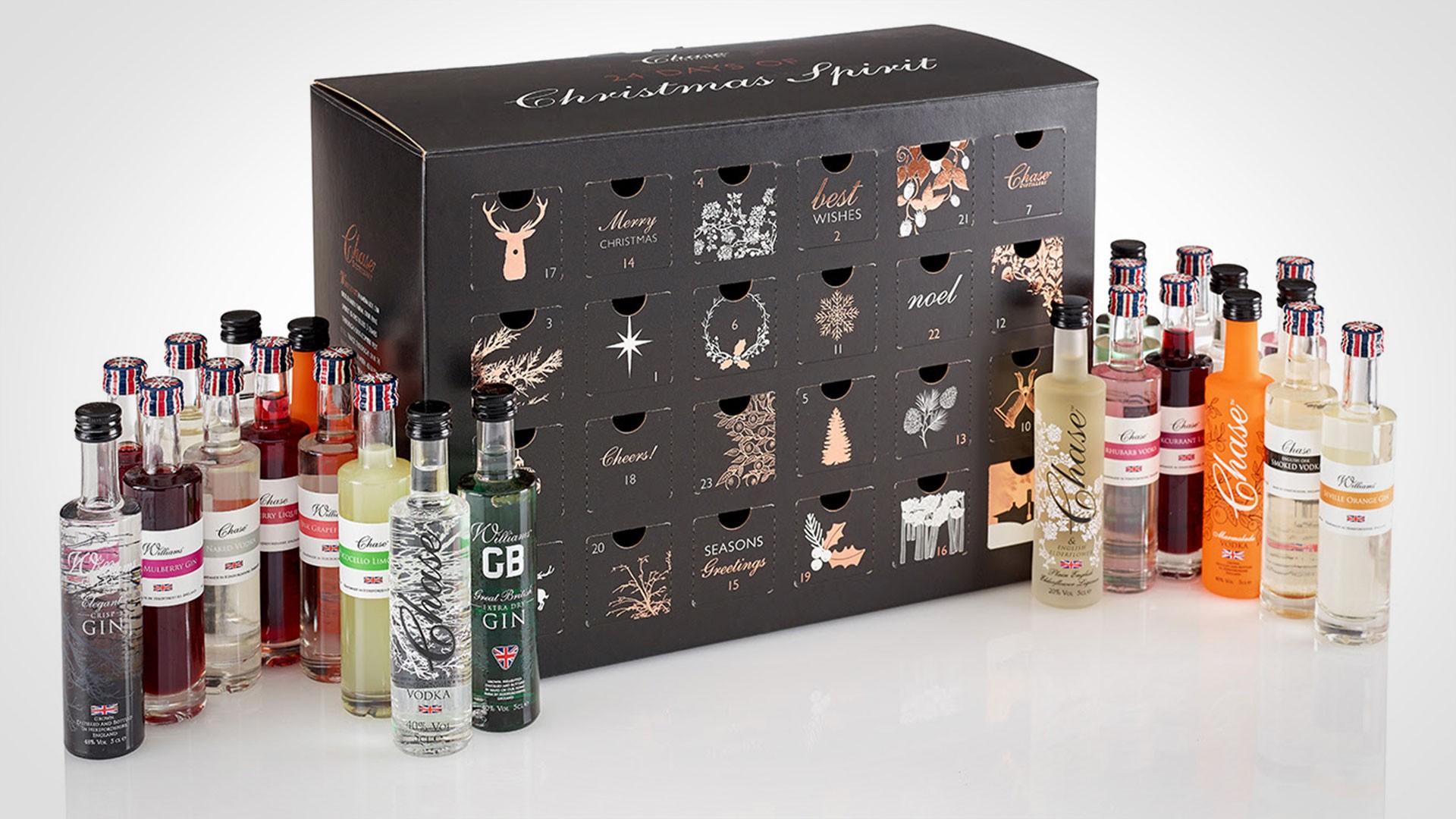
A food and drink advent calendar turns the days leading up to a holiday into a sequence of small tastes or shared activities. It can be a homemade set of wrapped treats, a reusable compartment box, or an assortment of beverages and snacks. The most useful plan starts with the recipient, storage conditions, allergies, and budget—not with an arbitrary shopping list of 24 trendy products. A calendar should be enjoyable to open and practical to keep safe throughout December.
Choose the format before the contents
A reusable box with numbered compartments looks tidy but limits the size of each item. Small paper bags or envelopes are easier for dry, shelf-stable treats but may not protect fragile goods. A set of wrapped, labeled drink sachets can be convenient for people who enjoy tea or cocoa. If the recipient will travel, lightweight packets may be more suitable than glass bottles. Measure the compartments or bags before buying items, and decide where the calendar will be stored. An attractive display has little value if items get crushed, leak, or spoil.
Sweet, savory, and beverage theme ideas
For a sweet theme, consider individually wrapped chocolates, small candies, or shelf-stable baking treats that fit the recipient's preferences. A savory version might combine crackers, sealed seasonings, or small packaged snacks. Beverage themes can focus on individually sealed tea bags, coffee samples, cocoa mixes, or herbal infusions. A family version can alternate a packaged treat with an activity card such as "make a warm drink together" or "choose tonight's snack." You do not have to make every day edible, and repeating one favorite item is better than including something unsuitable just to fill a space.
Food safety and shelf life come first
Use unopened packaged products with appropriate storage instructions and dates that extend through their planned opening day. Refrigerated items and homemade perishables should not be left in a room-temperature calendar unless the whole setup maintains safe storage and the timing is tightly controlled. Avoid repackaging allergenic foods into unlabeled containers. Keep chocolates away from excessive heat and glass packaging away from children. If an item is intended to be eaten later, the recipient should still be able to identify what it is and any relevant allergen information.
Plan for different ages and restrictions
For children, use age-appropriate packaged items and avoid choking hazards. Ask about allergies, dietary restrictions, caffeine preferences, and whether the calendar is shared. Coffee and energy drinks are not good default choices for children. Adult calendars may include alcoholic beverages only where age and local rules permit, but a nonalcoholic collection often works for a wider group. You can personalize by flavor preference without suggesting that a food is safe for someone with a serious allergy simply because its ingredients "look fine."
Set a realistic 24-day budget
Choose a total budget first, then divide it among contents, packaging, and optional decorations. Not every compartment needs the same monetary value. For example, a few premium items can be spaced between simpler favorites or activity prompts. Keep a worksheet with day number, item, package size, storage requirement, allergen note, and cost. Buy shelf-stable basics in coordinated quantities so that leftovers can be used elsewhere. The most common cost mistake is comparing only item prices while ignoring containers, labels, and shipping.
Assembly checklist and an example rhythm
Lay out all 24 numbers before filling anything. Check dates and seals, confirm allergies, then assign larger items to the compartments that fit. A simple rhythm could alternate tea, a small snack, and an activity card across the week, with a few larger surprises near the end. If shipping the calendar, cushion fragile goods and avoid temperature-sensitive contents without reliable handling. Clearly number each day and provide a short note explaining any beverage preparation. A thoughtful calendar feels coherent, rather than like a collection of random checkout-line items.
Quick checklist
Choose a theme and storage method before shopping.
Avoid room-temperature storage of foods that require refrigeration.
Track cost, allergens, and expiration dates for all 24 days.
Continue exploring
For a related question, see food and beverage categories.