How to Word and Place a No Food or Drink Sign
Choose concise no-food-or-drink sign wording for workplaces and shared spaces without claiming a universal legal requirement.
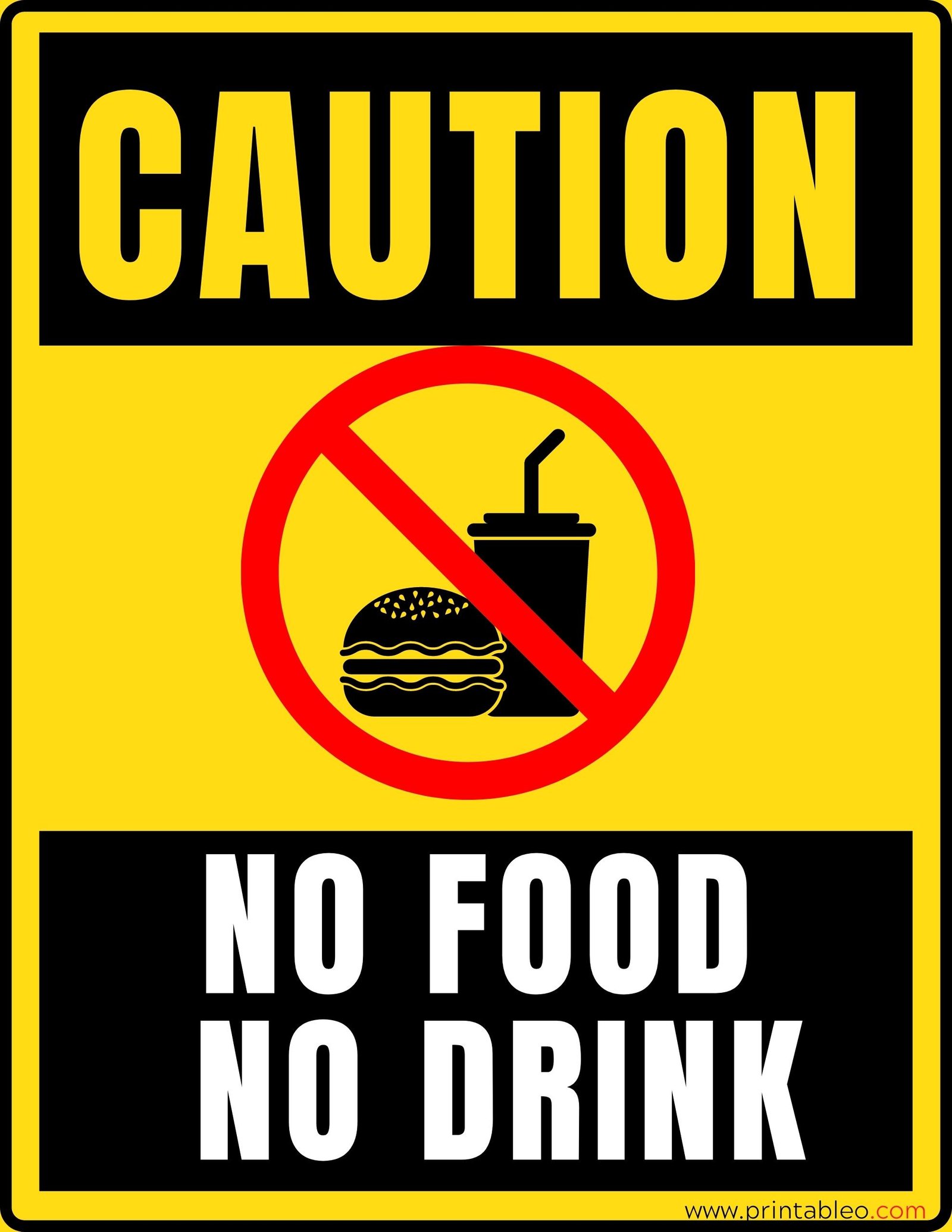
A "No Food or Drink" sign is a short policy notice, not a complete rulebook. Its job is to tell people what is restricted, where the restriction applies, and how to comply without confusion. Poor wording can lead to unnecessary confrontation, especially when a venue has exceptions for medication, water, or accessibility needs. The best sign uses direct language and is placed where guests can see it before entering the affected area. These examples are communication suggestions, not legal advice or claims about a particular building code.
Choose wording that fits the actual policy
"No Food or Drink Beyond This Point" is useful where the rule begins at a doorway. "Please Keep Food and Beverages Outside the Exhibit" is more contextual for a gallery. "Food and Drinks Are Not Permitted in the Computer Lab" identifies the protected space. A blanket statement is risky when the real policy allows water in sealed bottles or permits eating in designated rooms. Write the exception in plain language if it is part of the policy, and avoid language that implies the entire building is restricted when only one section is affected.
Place signs before visitors make a choice
Position the main notice near the entrance or checkpoint before someone opens a snack or carries a beverage into the restricted area. If the policy is relevant inside a large building, repeat it at important transitions rather than covering every wall with warnings. Use legible type, sufficient contrast, and a height that people can see from common approaches. Signage should not obstruct corridors, doors, or emergency information. A sign at the checkout counter is too late if the visitor has already crossed the boundary with an open drink.
Make exceptions understandable without oversharing
Some settings may need individualized accommodations for disability-related needs, medication, feeding, or other circumstances. Do not assume an inflexible sign can override the requirements that apply to the venue. Staff should know whom to contact when an accommodation question arises and how to avoid asking visitors to disclose more personal information than necessary. If water is permitted but other beverages are not, state that clearly. In shared or public-facing environments, have the actual policy reviewed by the person responsible for accessibility and compliance before finalizing the wording.
Write a courteous version when appropriate
Polite wording can be direct: "Please enjoy food and drinks in the lobby before entering." A library might say, "To protect shared materials, please keep food and beverages in the designated refreshment area." A small studio can use, "Thank you for keeping drinks away from equipment." The explanation need not be long; one helpful reason can reduce confusion. Avoid vague claims that any food is dangerous or all beverages violate the law unless those statements are actually true for the location. Consistency between the sign and staff instructions matters more than a dramatic design.
Match the sign to its environment
A classroom may need an age-appropriate, easy-to-understand notice. A museum may use signs in multiple languages or add clear pictograms. A business lobby might emphasize the available eating area. Outdoor event signage must survive weather and remain visible at night if the space is used after dark. When people move through a busy queue, test visibility from the approach rather than standing directly in front of the sign. Consider readability for visitors with reduced vision or limited English proficiency without assuming one format works everywhere.
A short pre-print checklist
Confirm the actual boundary, the real exceptions, and whether there is a designated place for refreshments. Then review wording with the person who owns the policy. Print a sample at the final size and test it from a normal viewing distance. Ask a colleague who has not seen the sign to explain what it means; revise anything ambiguous. Document how staff should respond to questions. A good sign is accurate, readable, and operationally supported, not merely grammatically correct.
Quick checklist
State the location and rule precisely.
Include genuine exceptions and a clear alternate area when applicable.
Have accessibility and policy details checked by the responsible venue staff.
Continue exploring
For a related question, see food and beverage categories.