What Is a Gelding? Meaning, Behavior, and Horse Care
What Is a Gelding? Meaning, Behavior, and Horse Care. Explain castrated male horses, common management differences and.
What Is a Gelding? Meaning, Behavior, and Horse Care
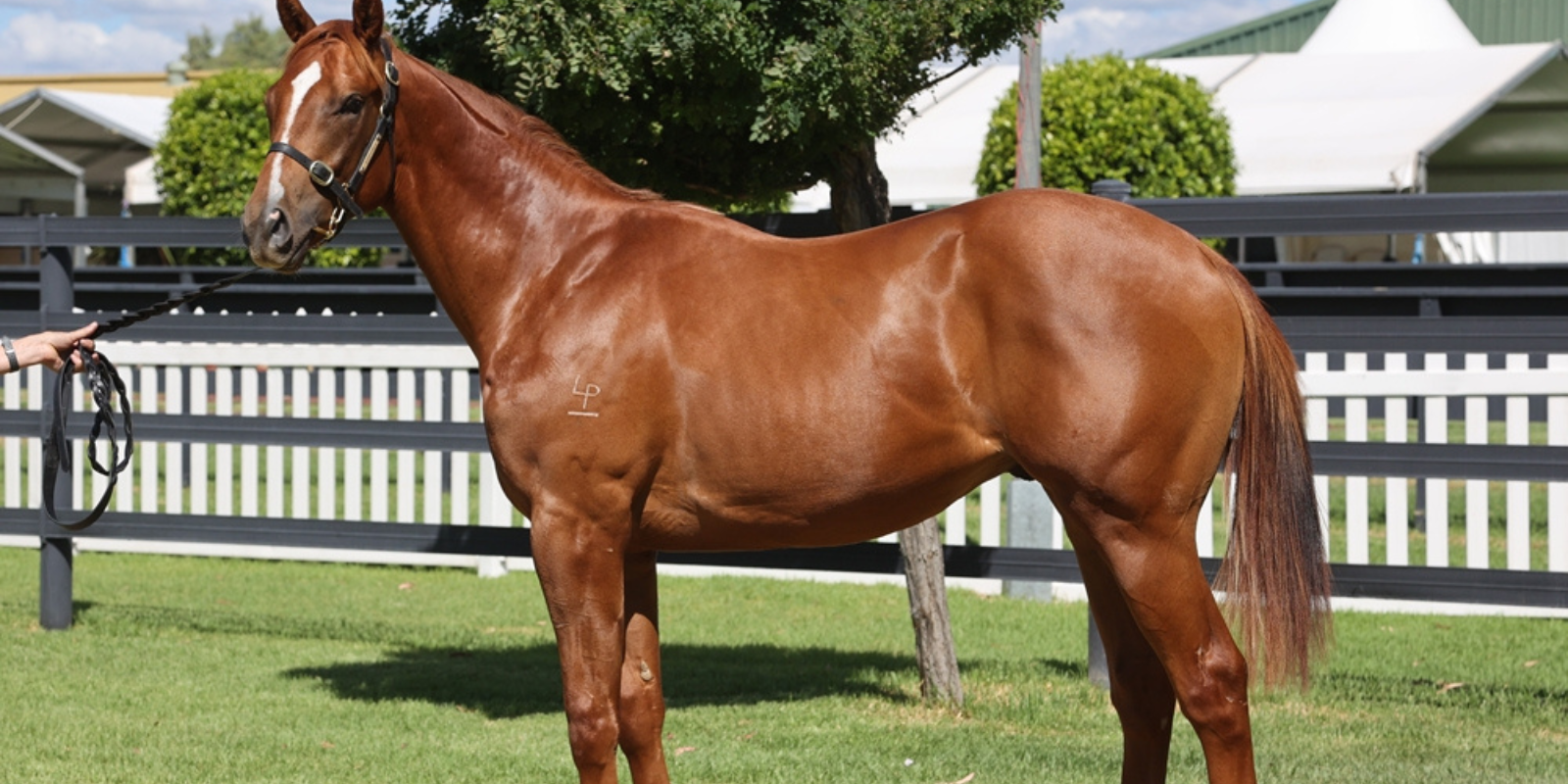
A gelding is a male horse that has been castrated.
What the term means
The term identifies reproductive status rather than age or breed. Geldings occur across riding, racing, ranch, and companion-horse settings and may look just like other horses of the same type.
Behavior after castration
Castration reduces the source of most testosterone, which can lessen some sexual behaviors over time. It does not erase training history, fear, or learned habits. Some geldings still show stallion-like behaviors, so safe handling should be based on the individual animal.
Why horses are gelded
Owners may choose gelding to prevent breeding or simplify management in mixed groups. This is a veterinary surgical decision with potential complications and a recovery period. Appropriate timing depends on health, development, facilities, and professional advice.
Everyday welfare
Geldings still need social contact, dental and hoof care, forage-based nutrition, exercise, and veterinary prevention. They can be overweight, underweight, lame, or anxious just like mares and stallions. Good routine care is determined by the horse’s needs, not only by its sex classification.
Castration is not a training shortcut
Gelding can reduce certain hormone-driven behaviors over time, but it does not fix fear, poor handling, pain, or the results of past training. A horse that kicks, refuses to load, or struggles with herd contact needs an individual assessment regardless of sex. Castration also involves anesthesia or sedation and postoperative risks, so the procedure and aftercare must be provided by a veterinarian. Long-term welfare still depends on movement, social interaction, nutrition, and routine health care.
Reading breed and husbandry claims carefully
Breed names describe ancestry or selection history, not a promise about any individual animal. Climate, nutrition, breeding values, health, and handling influence outcomes. Where a practice affects animal health or reproductive welfare, consult a veterinarian or qualified extension specialist rather than using a general explainer as a protocol.
Separating biology from management decisions
A breed description, sex term, or production concept is not a substitute for a farm-specific plan. Genetics, age, body condition, feeding, climate, and welfare standards can alter outcomes. Measurements and records are more informative than dramatic photographs or an isolated claim about performance. Whenever a decision may involve surgery, reproductive intervention, milk handling, or a sick animal, seek a qualified veterinarian or extension professional and use current official guidance.
Frequently asked question
Is a gelding a young horse?
Not necessarily. A gelding is a castrated male horse of any age.
Related guides
What Is a Stallion? Male Horse Terminology and Behavior • What Is a Mule? Horse–Donkey Parentage, Traits, and Terminology • Rambouillet Sheep
