What Is a Stallion? Male Horse Terminology and Behavior
What Is a Stallion? Male Horse Terminology and Behavior. Explain mature intact males, handling requirements and contrast with.
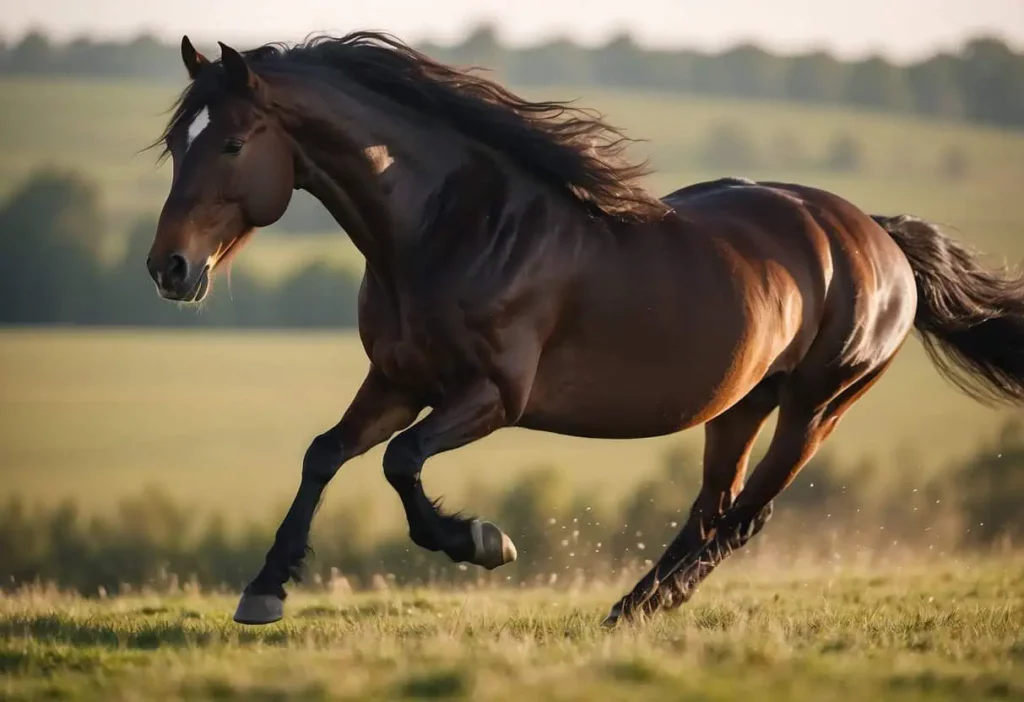
What Is a Stallion? Male Horse Terminology and Behavior
A stallion is an adult male horse that has not been castrated.
Meaning of stallion
A young male is often called a colt, while a castrated male is a gelding. “Stallion” describes reproductive status, not a breed, coat color, or special level of athletic ability.
Hormones and behavior
Testosterone can influence sexual behavior, territorial responses, and reactions to other horses, but individual temperament varies greatly. A quiet stallion is still capable of sudden responses, especially near mares. Safe handling requires training, suitable facilities, attention, and experienced supervision.
Breeding considerations
Responsible breeding assesses genetic health, soundness, inherited disorders, fertility, and the welfare of mares and offspring. The fact that a horse is intact does not mean it should be bred. Breeding plans should be discussed with qualified equine professionals and follow relevant registration requirements.
Stallion versus gelding
Geldings generally do not have the same reproductive motivations, although learned behaviors and individual differences remain. The decision to castrate a horse is medical and management-specific. An equine veterinarian can advise on timing, risks, and recovery; an article cannot provide a universal procedure.
A stallion is not a breeding license
A mature intact male may possess desirable physical traits, but responsible breeding also evaluates inherited health risks, fertility, temperament, soundness, and the capacity to care for offspring. Stallion housing and handling require suitable facilities, because proximity to mares and other horses can create management challenges. Surgical castration decisions belong with a veterinarian. No online guide should be interpreted as a handling instruction for an unfamiliar or distressed stallion.
Reading breed and husbandry claims carefully
Breed names describe ancestry or selection history, not a promise about any individual animal. Climate, nutrition, breeding values, health, and handling influence outcomes. Where a practice affects animal health or reproductive welfare, consult a veterinarian or qualified extension specialist rather than using a general explainer as a protocol.
Separating biology from management decisions
A breed description, sex term, or production concept is not a substitute for a farm-specific plan. Genetics, age, body condition, feeding, climate, and welfare standards can alter outcomes. Measurements and records are more informative than dramatic photographs or an isolated claim about performance. Whenever a decision may involve surgery, reproductive intervention, milk handling, or a sick animal, seek a qualified veterinarian or extension professional and use current official guidance.
Frequently asked question
Is a stallion a breed of horse?
No. It is an adult intact male horse, regardless of breed.
Related guides
What Is a Mule? Horse–Donkey Parentage, Traits, and Terminology • Rambouillet Sheep • Zebu Cattle
