Nellie Bly: Investigative Journalism and Her Legacy
Nellie Bly: Investigative Journalism and Her Legacy Explore evidence-based facts, context and common misconceptions.
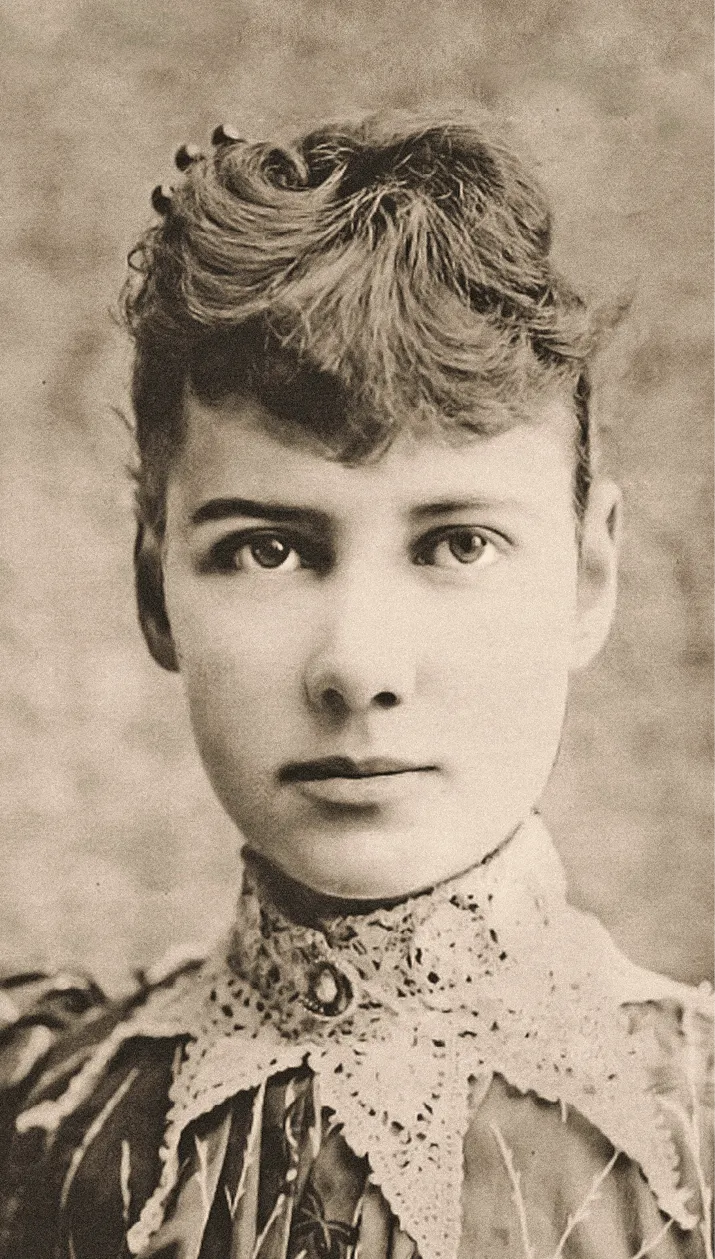
Nellie Bly: Investigative Journalism and Her Legacy
Nellie Bly was the pen name of Elizabeth Jane Cochran, a pioneering U.S. journalist known for investigative reporting in the late nineteenth century. She became famous for going undercover to report on conditions in a New York psychiatric institution.
The essentials
Her newspaper investigation helped expose poor treatment and became an influential example of immersive journalism. She later traveled around the world in a widely publicized journey inspired by the fiction of Jules Verne.
What makes this subject distinctive
Bly did not invent investigative reporting, but her work broadened its visibility and demonstrated how firsthand observation could challenge powerful institutions. Her career also included industrial and business activities beyond her best-known stories.
An event rarely has just one cause or consequence. Politics, institutions, available technology, and individual decisions interacted over time. A timeline keeps these layers visible and prevents a famous person from becoming the sole explanation for a complicated change.
Common misconceptions and limits
Descriptions of her records should rely on contemporary reporting and biographies rather than compressing a complicated career into a single dramatic stunt.
An attractive story is not necessarily a documented fact. A credible historical argument distinguishes contemporary accounts, material evidence, and later retellings, and avoids giving exact diagnoses or motives when the surviving sources cannot support them.
What counts as evidence
Historians compare primary records, archaeological findings, material objects, and later interpretations. Sources can disagree because they were produced at different times and for different audiences. A credible explanation distinguishes well-documented events from popular stories.
Key points at a glance
Nellie Bly was the pen name of Elizabeth Jane Cochran, a pioneering U.S.
Her newspaper investigation helped expose poor treatment and became an influential example of immersive journalism.
Bly did not invent investigative reporting, but her work broadened its visibility and demonstrated how firsthand observation could challenge powerful institutions.
Frequently asked questions
What do the records establish?
Nellie Bly was the pen name of Elizabeth Jane Cochran, a pioneering U.S.
What wider context matters?
Her newspaper investigation helped expose poor treatment and became an influential example of immersive journalism.
Which popular interpretation needs caution?
Descriptions of her records should rely on contemporary reporting and biographies rather than compressing a complicated career into a single dramatic stunt.
Explore related guides
History Explained: People, Inventions and Events That Changed the World
Black Inventors and Scientists: Contributions and Historical Context
