Bay of Pigs Invasion: Causes, Timeline and Outcome
Bay of Pigs Invasion: Causes, Timeline and Outcome Explore evidence-based facts, context and common misconceptions.
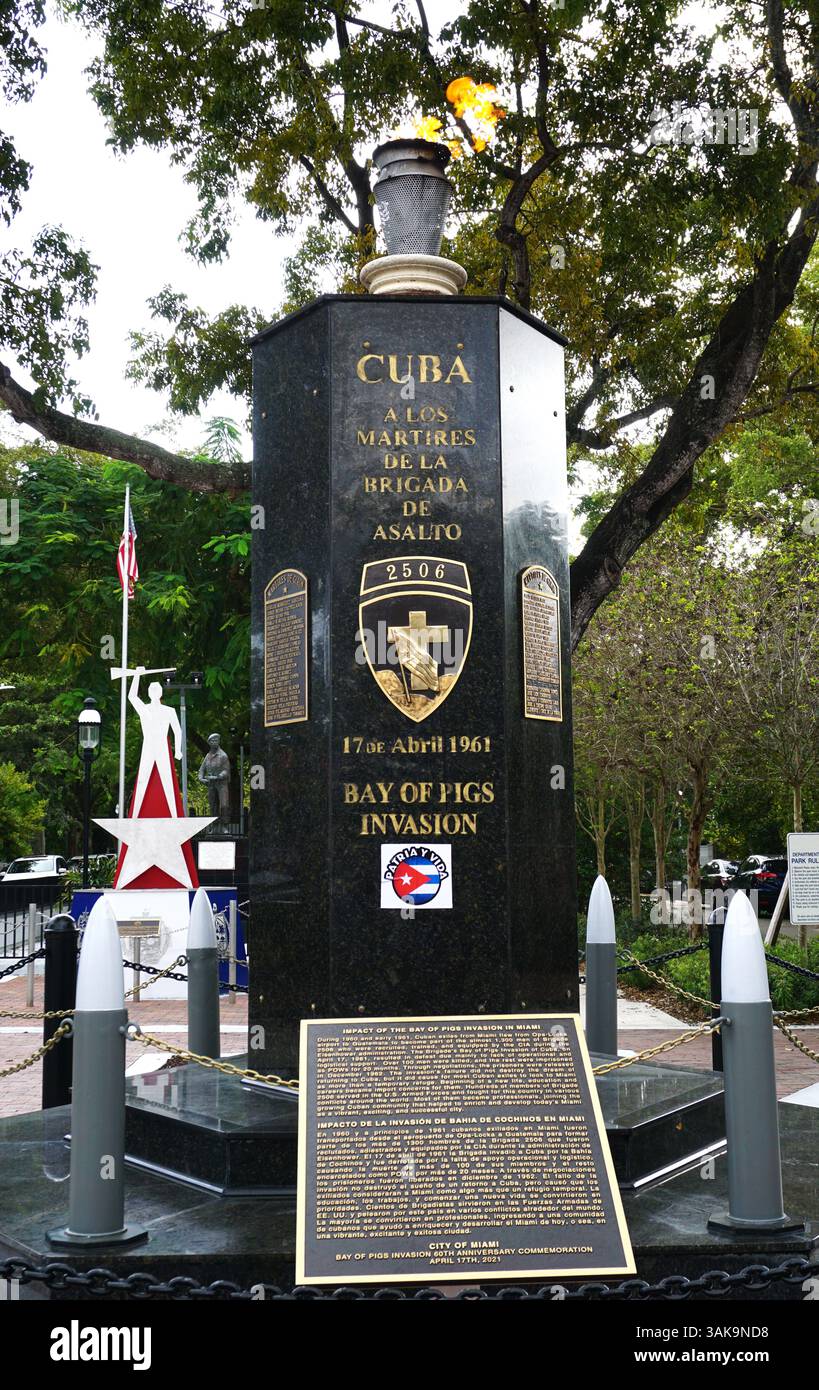
Bay of Pigs Invasion: Causes, Timeline and Outcome
The Bay of Pigs invasion was a failed April 1961 landing in Cuba by Cuban exiles supported by the U.S. Central Intelligence Agency. Its goal was to help overthrow Fidel Castro’s government, but the operation collapsed rapidly.
The essentials
The invasion involved planning during the Eisenhower administration and a final decision under President John F. Kennedy. Expectations of a popular uprising and assumptions about air superiority proved deeply flawed.
What makes this subject distinctive
It is inaccurate to describe the landing as a straightforward invasion by regular U.S. ground forces. The role of Cuban exiles, covert U.S. support, and subsequent political consequences all matter to understanding the episode.
An event rarely has just one cause or consequence. Politics, institutions, available technology, and individual decisions interacted over time. A timeline keeps these layers visible and prevents a famous person from becoming the sole explanation for a complicated change.
Common misconceptions and limits
The failure damaged U.S. prestige and intensified tensions around Cuba before the 1962 missile crisis. Explanations should separate documented planning decisions from later claims about individual motives.
An attractive story is not necessarily a documented fact. A credible historical argument distinguishes contemporary accounts, material evidence, and later retellings, and avoids giving exact diagnoses or motives when the surviving sources cannot support them.
Chronology and context
An event rarely has just one cause or consequence. Politics, institutions, available technology, and individual decisions interacted over time. A timeline keeps these layers visible and prevents a famous person from becoming the sole explanation for a complicated change.
Key points at a glance
The Bay of Pigs invasion was a failed April 1961 landing in Cuba by Cuban exiles supported by the U.S.
The invasion involved planning during the Eisenhower administration and a final decision under President John F.
It is inaccurate to describe the landing as a straightforward invasion by regular U.S.
Frequently asked questions
What do the records establish?
The Bay of Pigs invasion was a failed April 1961 landing in Cuba by Cuban exiles supported by the U.S.
What wider context matters?
The invasion involved planning during the Eisenhower administration and a final decision under President John F.
Which popular interpretation needs caution?
The failure damaged U.S.
Explore related guides
History Explained: People, Inventions and Events That Changed the World
