The Dancing Plague of 1518: What Historians Know
The Dancing Plague of 1518: What Historians Know Explore evidence-based facts, context and common misconceptions.
The Dancing Plague of 1518: What Historians Know
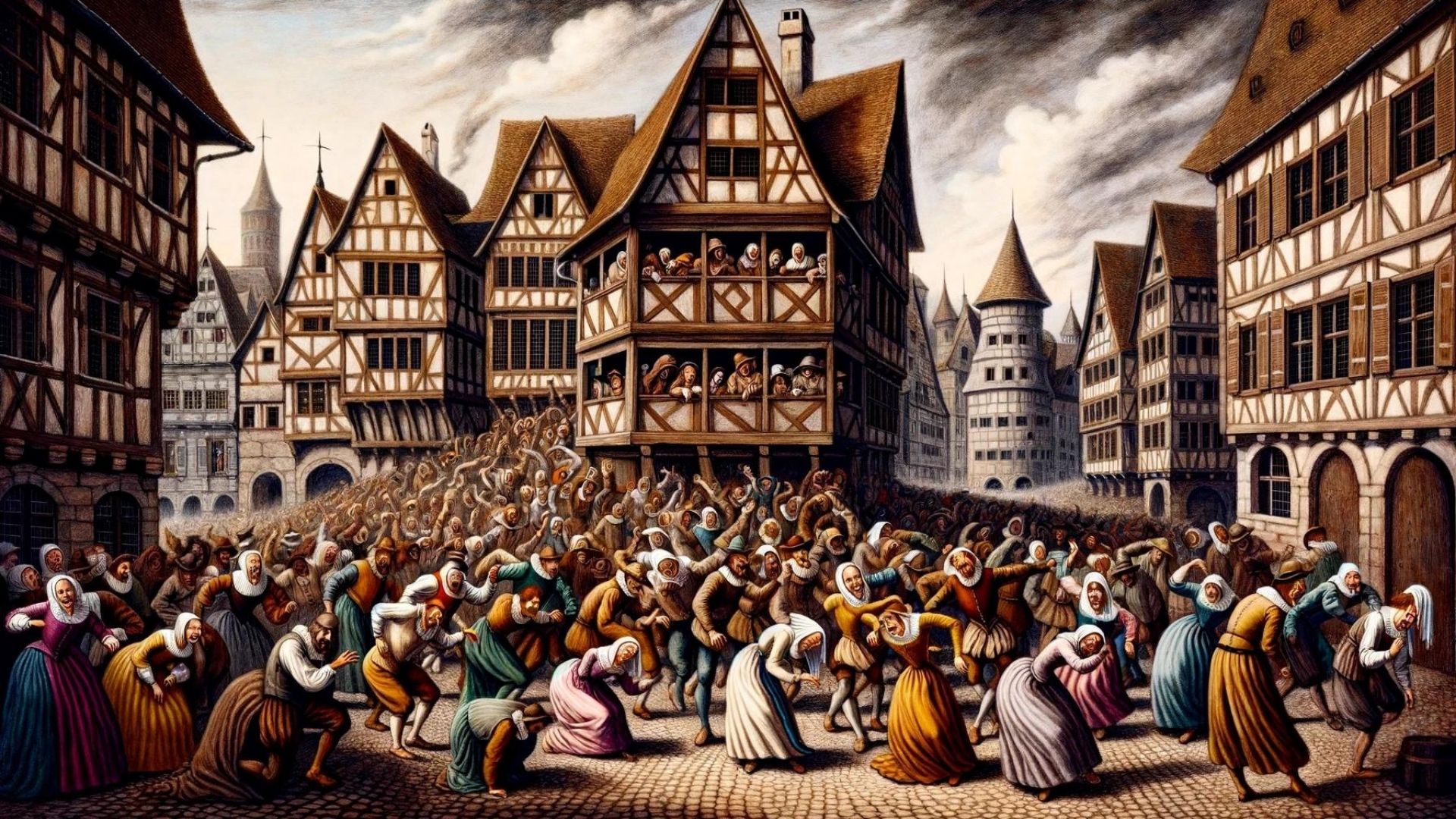
The dancing plague of 1518 refers to reports of people in Strasbourg who danced compulsively for days or weeks. Contemporary accounts describe a disturbing social event, but the number affected and specific deaths are not securely established.
The essentials
Historians have proposed explanations involving collective psychological distress, social conditions, and religious beliefs. None can be confirmed with the certainty available in a modern clinical investigation.
What makes this subject distinctive
The popular story that hundreds literally danced themselves to death is more definite than the evidence permits. Later retellings sometimes merge separate incidents and exaggerate the surviving records.
An event rarely has just one cause or consequence. Politics, institutions, available technology, and individual decisions interacted over time. A timeline keeps these layers visible and prevents a famous person from becoming the sole explanation for a complicated change.
Common misconceptions and limits
Understanding the event requires looking at sixteenth-century ideas of illness and belief, not projecting a single modern diagnosis backward as a settled fact.
An attractive story is not necessarily a documented fact. A credible historical argument distinguishes contemporary accounts, material evidence, and later retellings, and avoids giving exact diagnoses or motives when the surviving sources cannot support them.
What counts as evidence
Historians compare primary records, archaeological findings, material objects, and later interpretations. Sources can disagree because they were produced at different times and for different audiences. A credible explanation distinguishes well-documented events from popular stories.
Key points at a glance
The dancing plague of 1518 refers to reports of people in Strasbourg who danced compulsively for days or weeks.
Historians have proposed explanations involving collective psychological distress, social conditions, and religious beliefs.
The popular story that hundreds literally danced themselves to death is more definite than the evidence permits.
Frequently asked questions
What do the records establish?
The dancing plague of 1518 refers to reports of people in Strasbourg who danced compulsively for days or weeks.
What wider context matters?
Historians have proposed explanations involving collective psychological distress, social conditions, and religious beliefs.
Which popular interpretation needs caution?
Understanding the event requires looking at sixteenth-century ideas of illness and belief, not projecting a single modern diagnosis backward as a settled fact.
Explore related guides
History Explained: People, Inventions and Events That Changed the World
