Terrarium Kits: How to Choose the Right Starter Setup
Compare decorative plant terrarium kits with live-animal vivarium kits, including included materials, missing equipment and safety checks.
Terrarium Kits: How to Choose the Right Starter Setup
A terrarium kit is a bundle of equipment or materials for building a small enclosed environment. The first question is whether the kit is meant for decorative plants or for housing a living animal. Those are not interchangeable categories. The best kit for your project is the one that covers verified requirements without hiding important omissions behind attractive packaging.
Plant jars and animal vivariums are different purchases A plant terrarium kit may include a glass container, decorative stones, potting medium, activated carbon, moss and several tiny plants. Those materials can be enough for an indoor gardening activity when the plants and container type match. It is not a complete reptile enclosure. A live-animal habitat needs secure ventilation, appropriate dimensions, temperature controls, lighting, hides and an accessible water source based on the exact species.
An animal-focused kit may provide a tank, background, substrate and lamp, but 'complete' is a marketing word rather than a husbandry standard. Some bundles are optimized for low price or shelf display. Evaluate each included item against current veterinary and welfare guidance, not merely against the animal pictured on the box.
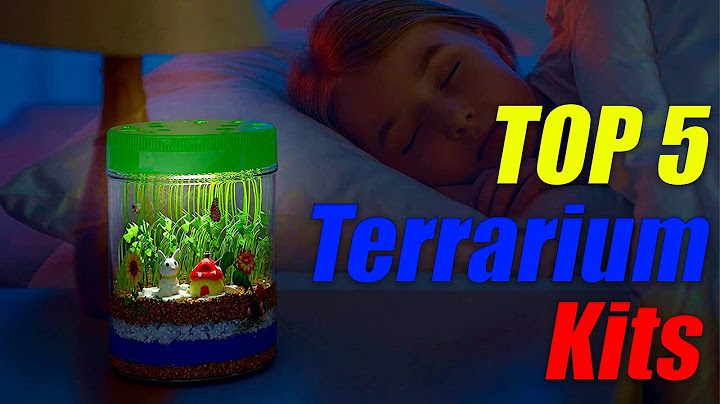
Make a species checklist before comparing boxes For a reptile, write down the adult enclosure dimensions, preferred floor or climbing orientation, thermal gradient, humidity requirements, UVB approach, safe retreat areas and cleaning access. For an amphibian, water preparation and material contamination become especially important. A 'tropical' or 'desert' label does not resolve those details. If you cannot identify what the included bulb produces at animal height, plan to research or replace it.
For plant-only projects, choose the container before plants. Slow-growing humid-loving foliage may suit closed jars, while drought-adapted succulents generally need open, airy arrangements. A sealed cactus kit that constantly traps moisture is a poor ecological match no matter how appealing the product photo looks.
Common pieces a kit may omit Animal kits frequently leave out a reliable thermostat, more than one digital thermometer, a UV Index measurement plan, a secure second hide, adequate furnishings or a larger enclosure for adult growth. Plant kits may omit an appropriate drainage plan or give vague instructions to water everything on a fixed schedule. A kit that contains a generic soil bag tells you little about fertilizer content or animal safety.
Check the actual enclosure's interior space, screen design, cord access and safety instructions for heat fixtures. Look for replaceable parts rather than accepting a proprietary bulb or pump that becomes hard to service. If electrical equipment is supplied, confirm it is designed for the intended enclosure conditions and electrical market.
Compare value without relying on fake savings Make two lists: essential items you would buy individually and genuinely optional décor. Compare what is included, warranty coverage, bulb replacement costs and the need to upgrade. A low sticker price can be misleading when the enclosure is too small or heating is inappropriate. A higher-priced bundle is not automatically superior either; it may simply include decorative pieces you do not need.
Reviews are useful for identifying repeat complaints about leaking doors or broken fittings, but cannot verify that the suggested habitat is healthy for an animal. Treat 'five-star reptile starter' as a purchasing claim, not a veterinary assessment. Do not buy living animals to fit an already purchased decorative kit.
When a custom build makes more sense A custom list gives you control over enclosure dimensions, fixtures, soil ingredients and access panels. It may be easier to assemble a plant jar from a clean container and compatible plants than to pay for redundant ornaments. For a bioactive animal enclosure, separate purchasing often makes it easier to select organism cultures and plants that match local conditions. Whichever route you choose, test the completed habitat before introducing an animal.
Explore related terrarium guides
Related reading: How to Make a Terrarium: Step-by-Step Plant Jar.
Related reading: Terrarium Plants: Best Choices for Open and Closed.
Related reading: Bioactive Terrarium Setup: A Species-First Guide.
Related reading: Vivarium Tanks: Glass, PVC and Habitat Design.
Frequently asked questions
Can I put a reptile in a plant terrarium kit?
No. A decorative plant kit does not provide a verified, species-appropriate animal habitat.
Do reptile starter kits include everything?
Not necessarily. Check enclosure size, thermostat, UVB setup, hides, thermometers and upgrade needs.
Are closed terrarium kits suitable for cacti?
Usually not ideal for drought-adapted plants because trapped humidity can promote rot.
How do I compare kit prices?
Compare required components, safety specifications and replacement costs rather than the headline discount.
Is a custom setup always more expensive?
Not always. Buying only appropriate equipment can avoid paying for redundant décor or replacing unsuitable parts.