How to Play With a Rabbit: Gentle Games That Build Trust
Learn how to play with a rabbit using floor-level games, simple training and choice-based interaction, plus signs to stop and let your bunny rest.
How to Play With a Rabbit: Gentle Games That Build Trust
You can play with a rabbit by getting down to its level, letting it approach voluntarily, and offering small games that reward curiosity. Many rabbits enjoy nose-targeting, investigating safe cardboard objects, following a short food trail, or nudging a lightweight item toward you. Other rabbits prefer to sit nearby first. The goal is not to make a rabbit perform tricks on demand: it is to create a calm interaction that the rabbit can choose to continue or leave.
Unlike a dog that may enjoy chasing a ball across a yard, a rabbit may become frightened when a person pursues it or reaches down from above. Begin in a familiar, quiet space with secure footing and places to hide. Be patient with rabbits who have never been handled gently, and avoid comparing your rabbit's play style to online videos. This article is about human–rabbit play and bonding, not shopping for toys, building a digging box, or prescribing a complete rabbit diet.
Set up a safe, low-pressure play area
Choose a floor-level area with traction: slippery floors can make a rabbit hesitant to move or cause unsafe scrambling. Remove electrical cords, unsafe houseplants, loose plastic, small swallowable objects, and gaps behind furniture. Make sure doors and other household pets are controlled, and keep a hideout accessible. Your rabbit should be able to leave the interaction or retreat whenever it chooses.
If the rabbit normally lives in a pen, begin at the open entrance and let it decide whether to investigate. Do not pull it out by force. An appropriately arranged rabbit playpen can help create a predictable activity zone, but the pen itself must still allow normal hopping and turning. For general daily housing and care, see how to care for a rabbit.
Sit on the floor and keep your movements slow. Wait for the rabbit to approach, sniff you, or explore a nearby object. You can speak softly, but the rabbit does not need constant petting or stimulation. A relaxed rabbit may investigate, groom, move freely, or return after wandering away. If it stays frozen, repeatedly hides, stamps, or tries to escape, reduce the pressure and give it space.
Game 1: A simple nose-target touch
A nose target is a small object, such as a smooth, safe target on a short stick, that the rabbit can investigate with its nose. Start with the target a short distance in front of the rabbit rather than touching its face. When the rabbit voluntarily looks toward or sniffs the target, mark the moment with a calm word such as “yes” and deliver a small reward. Over successive attempts, reward an intentional nose touch.
Keep the cue and reward timing consistent, but do not extend the game until the rabbit is tired. A few successful repetitions are better than long drilling. Use a portion of the rabbit's normal pellets or an approved leafy green as reinforcement, rather than a succession of sweet treats. The separate rabbit treats guide discusses reward selection. If the rabbit stops participating, the session can end; it has not done anything wrong.
Game 2: Follow a short food trail
Place two or three tiny pieces of suitable greens or part of the daily pellet ration at easy intervals on a clean floor. Let the rabbit sniff and locate the food without pushing it along or repeatedly calling. As the rabbit understands the activity, change the path gently around a safe cardboard obstacle. Keep the trail short enough that the food remains visible and accessible, particularly for older rabbits.
This is a foraging game, not a reason to feed extra food. Deduct whatever you use from the usual daily ration. If two rabbits play together, use separate accessible trails so one animal cannot monopolize every reward. RSPCA notes that scatter feeding and simple food searches are natural enrichment options when the food is part of normal intake.
Game 3: Toss, nudge, and return—without forcing “fetch”
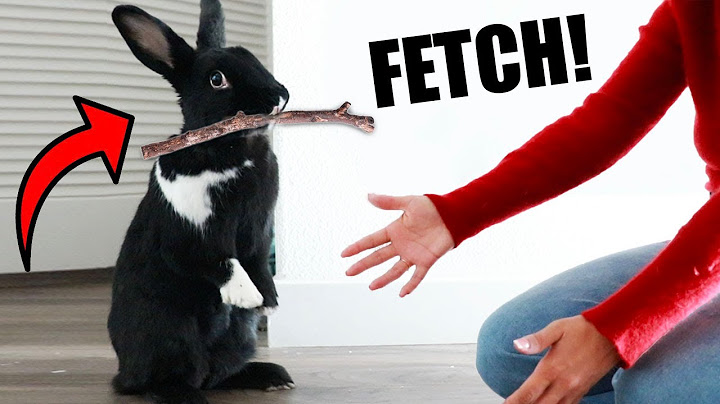
Offer a lightweight object the rabbit has already investigated safely, then set it a short distance away. Some rabbits will nudge, throw, or move it; others may simply sniff it. If the rabbit pushes the item toward you, gently return it and watch whether it chooses to continue. Do not chase the rabbit for the object, tug it out of its mouth, or assume it will bring an item back like a dog.
The game can be entirely one-sided at first: you place an object, the rabbit explores, and you occasionally move it back. Keep toys intact and free of loose pieces. For broader toy-selection questions, go to rabbit toys and enrichment options rather than turning playtime into a product-buying exercise.
Game 4: A floor-level cardboard obstacle course
Arrange two sturdy boxes or low, stable pieces of plain cardboard so the rabbit can walk around, under, or through them. Keep routes open and avoid any construction with unstable stacks, tape that can be chewed, or narrow openings that might trap the rabbit. Invite exploration with a small food cue or by positioning yourself nearby; never block an exit to make the rabbit complete an obstacle.
Start on the ground. A rabbit with arthritis, poor balance, reduced vision, or a history of restricted exercise should not be encouraged to jump over elevated obstacles without veterinary guidance. If your rabbit prefers resting inside a box rather than navigating it, that still counts as successful engagement on its terms. A rabbit digging box belongs to a separate behavior category and should not be introduced as a compulsory obstacle.
Read body language before and during play
A rabbit that approaches by choice, explores with an ordinary posture, and returns after breaks is more likely to be comfortable than one held in place or blocked from escape. When a rabbit flattens its body in fear, bolts, makes repeated warning thumps, or avoids your hand, stop and make the environment calmer. A quick movement does not necessarily mean excitement; rabbits can run away because they feel threatened.
Learn your individual rabbit's baseline. Ear position by itself is not a reliable mood test, especially across breeds with different ear shapes. Look at the whole situation: body tension, movement, eyes, appetite, and whether the rabbit willingly returns. If you are unsure whether a vocalization signals distress, see the separate rabbit sounds guide and talk to your veterinarian if the change is sudden.
How long should a session last?
Rather than setting a universal minute target, end while the rabbit is still comfortable. For a shy beginner, one successful nose touch or an easy food search may be enough. Another rabbit may explore for longer in repeated short bursts. Keep water, hay, and ordinary rest periods available. Never withhold food to make training more motivating, and never punish a rabbit that does not respond to a cue.
Rabbits that are recovering from illness, older, disabled, or easily startled may benefit from stationary puzzles and very gentle approaches. Adapt the activity to the animal, not the other way around. If your rabbit is not eating, appears painful, or has fewer droppings than normal, seek urgent veterinary advice rather than attempting to stimulate it with play.
Building a bond beyond game time
Consistency usually matters more than novelty. Sit nearby while your rabbit eats hay, offer a familiar greeting, and allow it to initiate contact. If it seems to enjoy head strokes, offer them briefly and watch for any sign it wants you to stop. Many rabbits dislike being lifted; bonding does not require frequent picking up. Positive-reinforcement training can help with practical tasks such as entering a carrier, but progress should be gradual.
Also remember that friendly interaction with a human is not a complete substitute for the companionship needs of a rabbit. Discuss compatible rabbit companionship and bonding arrangements with a knowledgeable rescue or veterinarian if appropriate. Play should complement safe housing, routine veterinary care, nutrition, and opportunities to exercise independently.
Frequently Asked Questions
How do you play with a bunny that is scared of people?
Sit quietly at floor level, leave an easy escape route, and reward any voluntary approach. Start with an object or food search near the rabbit rather than touching it. Allow many short sessions and never chase or pull it from hiding.
Can rabbits learn tricks like touching a target?
Yes, many rabbits can learn through patient, reward-based training. Begin by rewarding curiosity toward a simple target, then a nose touch. Short sessions and consistent timing work better than force or punishment.
Is it okay to play chase with a rabbit?
Do not chase a rabbit as a game. Being pursued can resemble a predator threat. Encourage voluntary exploration and let the rabbit choose whether to come toward you or move away.
What if my rabbit does not want to play today?
Respect that choice and offer another opportunity later. A single quiet day may be normal, but sudden withdrawal together with reduced eating, fewer droppings, lethargy, or signs of pain needs prompt veterinary attention.
Should I pick up my rabbit to play with it?
Usually not. Many rabbits feel safer on the floor where they can control their movements. Provide low-level games and use calm, trained handling only when necessary for care or safety.