Iguana Colors: Green, Orange and Brown Explained
Why can green iguanas look orange, brown or olive? Learn how age, breeding condition and temperature affect coloration.
Iguana Colors: Green, Orange and Brown Explained
Green iguanas can be bright green, muted olive, gray-brown and, in some adults, distinctly orange or pinkish at certain times of year. Their appearance changes with age and reproductive condition, and lighting can alter what a camera records. Color is a useful clue, but it does not identify every species, prove that an animal is male or establish a veterinary diagnosis. This guide explains common color questions without presenting an unreliable illness-by-color chart.
Can a green iguana change color?
Yes, a green iguana's appearance can change over time and may vary with conditions. The word 'green' in Iguana iguana is not a promise that every individual will be uniformly bright green throughout life. A juvenile's vivid green and an adult's duller gray-green can both be consistent with the same species. Individuals also show natural differences, and body regions may not match perfectly.
However, iguanas are not chameleons, and a sudden color description should not be used to infer a single specific cause. Temperature, light, seasonal physiology and camera processing can influence the appearance people report. The more useful questions are: What species is it, how old is it approximately, and has anything else about its behavior or health changed?
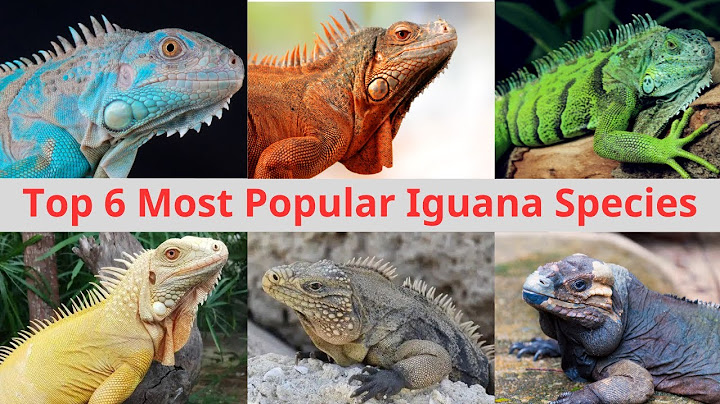
Young green iguanas versus adults
Young green iguanas are often noticeably bright green. As they mature, the overall appearance may become duller, with olive, brown, grayish or orange tones in some animals. Color transition does not follow one exact schedule for every individual, and an adult is not necessarily unhealthy because it no longer matches the brilliant green of a hatchling photograph.
When comparing a current animal to an old image, consider age, season, sex and the lighting used for both pictures. A photo made outdoors at midday may show colors differently from a dim enclosure photo. Avoid product-style 'morph' labels unless the specific animal's provenance and identity support them; ordinary color variation is not automatically a separate species or a selectively bred morph.
Why some iguanas look orange during breeding season
Adult male green iguanas can develop orange or pinkish coloration during parts of the reproductive season. Wildlife agencies specifically note that adults may show these colors at certain times of year. This is one reason an orange-looking iguana should not automatically be called a different species. The intensity and distribution of color can vary, and not every adult male will look alike.
Orange coloration alone is not a reliable sex test. Sexing an iguana also depends on anatomy, maturity and, where needed, a reptile professional's examination. A female or another species may be misclassified by casual online images. Readers should treat the color as context and avoid assumptions about mating behavior from a single photo.
Brown, gray and almost-black appearances
Adults may appear brown, gray-green or very dark in some circumstances, and the same iguana may photograph differently across environments. The Florida Fish and Wildlife Conservation Commission describes green iguanas as sometimes brown or almost black. Importantly, a dark-looking animal is not automatically the black spiny-tailed iguana, which belongs to a different genus and has distinct tail structures.
Check for changes in the entire animal rather than color alone. Is it alert and moving normally for its routine? Is its appetite substantially different? Is there a wound or abnormal swelling? Such observations are more useful to a reptile veterinarian than a guess that 'brown means stress' or 'orange means healthy'. Do not attempt to diagnose illness from a shade card.
Temperature, lighting and how photos can mislead
Reptile appearance is influenced by light, posture and context. Smartphone white balance can shift green toward turquoise or yellow, while shadows can exaggerate dark banding. A photo with a warm heat lamp may make skin look orange even without a biological color change. Compare images made in similar conditions if the goal is to track an animal over time.
For captive animals, measured environmental conditions matter for welfare, but color is not a replacement for reliable thermometers, appropriate lighting equipment or species-specific veterinary husbandry guidance. Do not adjust heat or UVB solely because an online chart labels one color 'too cold'. Confirm the species and equipment before making changes.
Color versus species identification
A black spiny-tailed iguana may have greenish young, while adult green iguanas can turn brownish. A desert iguana is typically pale and desert-adapted. These examples show why a common color adjective cannot serve as a scientific name. Tail scales, head and body form, geographic range and habitat often carry more diagnostic information than green, orange or brown.
If you are identifying a wild lizard, begin with location and a specialist species guide. If you care for a captive lizard, verify the scientific name and its history before selecting a care sheet. Photographs are useful for comparing features, but do not make species, age or sex claims from pixels alone when the evidence is ambiguous.
When a color change deserves professional attention
A new color appearance becomes more concerning when accompanied by significant changes such as lethargy, poor appetite, unusual breathing, visible injury, swelling or repeated abnormal behavior. These are reasons to contact a qualified reptile veterinarian; they are not proof of a particular diagnosis. Reptiles can conceal illness, so waiting for a dramatic color signal can be risky.
Do not treat discoloration with extra supplements, home medications or unmeasured temperature increases based on internet guesses. Keep a brief log of when the change appeared, whether it affects the whole body or one area, changes in appetite, and any recent habitat modifications. That evidence can help a clinician assess the animal more safely.
How to compare iguana photos responsibly
When examining photographs, seek two or three angles that show the side of the head, tail, dorsal crest and overall proportions. Include context such as the location and approximate date if available. Compare an animal with verified examples of the same species and life stage, not simply the first colorful image on a search page. A caption saying 'blue iguana' may name a distinct taxon rather than a shade of green iguana.
For an educational webpage, label every image with its species, location or source confirmation and whether the displayed color may be affected by lighting. This approach improves accuracy and reduces confusion between normal seasonal variation, taxonomy and medical conditions.
A practical photo-comparison record
Readers tracking the appearance of a known captive green iguana can create a simple record without treating it as a diagnosis. Photograph the animal from a consistent distance in similar lighting, note the date and annotate any changes to appetite, activity, shedding or enclosure maintenance. Two photographs taken in dramatically different light may exaggerate a shift that is not as apparent in person. Keep the record to show a reptile veterinarian if concerns develop.
Never use a photo comparison to justify delaying urgent care when the animal is lethargic, injured or breathing abnormally. Conversely, routine age-related or seasonal variation is not proof of a disease. The goal is to document context so professionals can interpret a possible change, not to invent a definitive map from skin colors to medical conditions.
Common color observations: what they may and may not mean
| Observation | Possible non-diagnostic context | Do not conclude |
| Bright green | Common in many younger green iguanas | Guaranteed young age or perfect health |
| Olive/brown/gray | Can appear as animals mature | An illness based on shade alone |
| Orange/pinkish adult | May occur during reproductive season | Definite male or different species |
| Very dark or sudden change | Lighting, context or a possible welfare concern | Temperature or disease diagnosis without examination |
Practical checklist
Confirm species before interpreting color variation.
Compare similar lighting and life stages.
Do not equate orange with a guaranteed male.
Check appetite, behavior and physical symptoms if appearance changes.
Get reptile-veterinary advice for worrying concurrent signs.
Frequently asked questions
Why is my green iguana turning orange?
Adult green iguanas, particularly males, may develop orange coloration seasonally. Color by itself cannot establish sex, reproductive condition or health; consider other changes and seek professional assessment when concerned.
Can a green iguana be brown?
Yes. Green iguanas can appear olive, brown or grayish as adults. The exact appearance varies and may look different in different lighting.
Does a black iguana mean a black spiny-tailed iguana?
No. An adult green iguana may look very dark. Ctenosaura similis is a distinct species identified using physical features and geographic context, not color alone.
Can color tell whether an iguana is sick?
Not reliably. Appetite, movement, breathing, injury and overall behavior need attention. Color combined with concerning symptoms warrants advice from a reptile veterinarian.
Are blue iguanas simply blue green iguanas?
Not necessarily. Common names such as 'blue iguana' can refer to particular species or populations. A verified scientific name is more useful than an isolated shade description.
The bottom line
An iguana's coloration can be interesting and informative without being diagnostic. Bright green, orange and brown can all occur in green iguanas, while other species may show similar colors. The responsible way to interpret an image is to combine color with identity, context and welfare observations.