Leopard Gecko Substrate: Choosing Safe Arid and Bioactive Options
Compare leopard gecko substrate choices, bioactive topsoil considerations, hygiene and risks, with a focus on safe species-specific husbandry.
Leopard Gecko Substrate: Choosing Safe Arid and Bioactive Options
Leopard gecko substrate should provide secure footing, easy waste inspection and an environment compatible with a mostly dry habitat plus a separate humid retreat. Loose and solid options each have tradeoffs. A suitable choice depends on the gecko's health and husbandry conditions, not a universal mixing ratio copied from a social-media build.
Evaluate the animal before the soil An established healthy adult in a well-managed enclosure may use a properly chosen, stable loose substrate that supports natural digging. A newly acquired, sick or medically monitored animal may be easier to observe on paper or another practical temporary surface. Juvenile care and individual feeding behavior may require additional caution. If the gecko persistently consumes floor material, investigate temperature, feeding and health issues rather than assuming all soil ingestion is harmless.
Substrate safety cannot be separated from a controlled heat gradient and UVB plan. The leopard gecko needs secure warm and cool hides and a damp humid hide for shedding even if most of the floor remains dry. Monitor the animal's stools, appetite, shed and activity as part of the substrate decision.
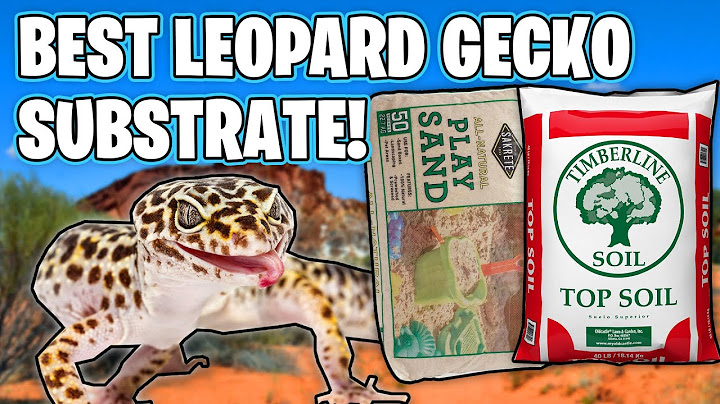
Screen organic topsoil carefully 'Organic' on a garden bag is not a reptile-safety certification. Inspect the ingredient list for added fertilizer, pesticide, manure, wetting agents, perlite and treated wood fragments. Soil may vary by manufacturer and region. Avoid products with unspecified chemical treatment or sharp debris. If a supplier cannot identify its ingredients, choose a better-documented alternative rather than gambling on a bargain.
Any sand component must be appropriate for the species, clean and free of added calcium flavoring or other novelty ingredients. The goal is a stable, relatively low-dust surface that can retain a natural shape without becoming swampy. Do not present a precise topsoil-to-sand ratio as medically safe for every animal or enclosure.
Loose versus solid flooring Solid flooring such as clean paper is simple to replace and can make waste or parasite monitoring easier. However, smooth surfaces may offer less digging enrichment. Loose compactable soil may allow more natural behavior but introduces questions about dust, cleaning, accidental ingestion and moisture management. Loose gravel, crushed walnut shell and similar large or sharp particles are not sensible substitutes for a carefully selected substrate.
Provide firm surfaces or dishes where food is delivered to reduce the chance of accidentally consuming floor particles. Heavy rocks and hides should sit on a stable foundation before soil is placed around them so burrowing cannot destabilize them.
Bioactive arid floors need a moisture plan Springtails and isopods are not magic organisms that survive in every desert-like enclosure. If an arid bioactive system is used, microfauna may require protected, more humid zones beneath leaf litter or inside sheltered pockets. The top layer still needs to suit the gecko. If the surface stays constantly wet, a tropical substrate design has likely been copied without matching the species.
Use plants confirmed safe for the animal and free from pesticide residues. Keep a separate, accessible humid hide even if parts of the soil retain some moisture. The hide makes it easier to monitor the shedding resource without raising humidity across the entire tank.
Cleaning and warning signs Remove droppings and spilled food promptly, inspect damp corners and look for odors that suggest stagnant soil. If the animal repeatedly licks or eats substrate, stops eating, strains to pass stool or shows unusual lethargy, contact an experienced reptile veterinarian. Changing the bedding may be one part of the response, but it is not a substitute for a clinical assessment.
Explore related terrarium guides
Related reading: Leopard Gecko Terrarium: Size, Heat and Setup.
Related reading: Terrarium Substrate: Bioactive Soil Layers.
Related reading: Bioactive Terrarium Setup: A Species-First Guide.
Frequently asked questions
Is organic topsoil always safe for geckos?
No. The label does not rule out added fertilizer, wetting agents or unwanted materials.
Can leopard geckos live on paper flooring?
Simple flooring can be useful in some situations, particularly when monitoring a new or unwell animal.
Can loose substrate cause health problems?
Ingestion, dust, hygiene and other risks depend on substrate selection and husbandry conditions.
Does an arid bioactive mix need a humid hide?
A separate accessible humid hide remains important for shedding.
What if my gecko eats soil?
Review the enclosure and seek veterinary advice if the behavior persists or accompanies other symptoms.
Animal-care note: This is educational husbandry guidance, not a diagnosis or a substitute for species-specific veterinary care.