Leopard Gecko Terrariums: Safe Enclosure Setup and Bioactive Options
Understand leopard gecko enclosure choices, heat and UVB gradients, hides and safer arid bioactive options. Learn why small tank sizes need caution.
Leopard Gecko Terrariums: Safe Enclosure Setup and Bioactive Options
A leopard gecko terrarium should provide enough usable floor area, a warm-to-cool temperature gradient, multiple secure hides and a humid retreat for shedding. A bioactive floor can be an optional enrichment choice, but the enclosure needs to work as a safe leopard gecko habitat first. Tank volume by itself does not describe floor space or fixture clearance.
Size for the adult, not the pet-store label Leopard geckos spend much of their time on and near the ground. When comparing an aquarium, a purpose-built terrarium and a converted vivarium, examine internal length and depth, usable floor area, door access and the space lost to hides. Searches for 10-gallon or 20-gallon tanks often reflect starter-kit marketing or outdated recommendations, not a guarantee of adequate long-term adult housing.
A larger enclosure with good cover and measured gradients generally offers more choices than a cramped box. A commonly considered 36-by-18-inch footprint provides a clearer adult planning reference than a volume label alone, although the individual's needs and professional guidance still matter. Secure the lid against escape, prevent feeder insects from exiting and use only hardware that cannot collapse on the gecko.
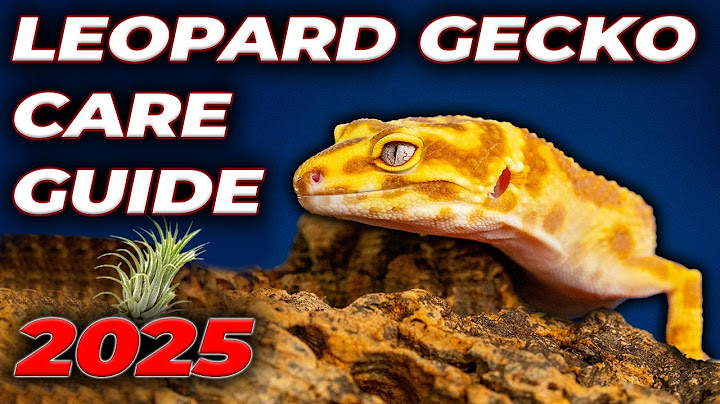
Create heat the gecko can move away from Use a thermostatically controlled heat source on one end of the enclosure, with guarded lamps or fixtures inaccessible to the animal. Measure the basking surface and the cooler side separately; a stick-on ambient dial does not tell you whether a rock is dangerously hot. RSPCA husbandry guidance emphasizes a controlled heat gradient and checking readings at the animal's level. A hot rock is not a safe substitute for a properly designed basking area.
Place a secure hide in the warm zone and another in the cool zone so the gecko is not forced to choose between temperature and security. Offer a separate humid hide for shedding without raising the moisture across the whole arid floor. Use a suitable thermometer and hygrometer, and review settings when the weather changes.
Plan UVB and day-night lighting Leopard geckos are often active around dusk, but that does not mean that all light is irrelevant. The RSPCA recommends a low-output UVB tube positioned to create a usable gradient, including shaded escape areas. In its current guidance, the reference basking UVI is approximately 0.7, fading to zero in the shade; the safe value at the gecko depends on fixture type, reflector, mesh and distance. A measured setup is more reliable than choosing a lamp solely by advertised percent.
Turn visible lights off at night, use timers where helpful and avoid colored night bulbs. If a morph has unusual light sensitivity, ask a reptile veterinarian before changing UVB levels. Provide daylight cues without placing the tank where direct sun can suddenly overheat the glass.
Hides, climbing opportunities and substrate Give the gecko low, secure ledges, cork pieces and visual barriers. Heavy items should rest on stable supports. Water must be easy to find and clean. A dry, compactable floor can support digging when it is well chosen, but dusty or contaminated loose material is a poor bargain. Solid temporary flooring may be useful while monitoring a sick animal or a new arrival. Avoid loose pebbles that can be swallowed and any topsoil with fertilizer or pesticide additives.
A bioactive option adds microfauna and hardy plants, but an arid habitat needs dry surface regions and localized moisture, not a permanently wet tropical drainage system. Establish plants and cleanup organisms in advance, keep feeding areas clean and check for trapped insects. Never assume that an animal eating substrate is 'normal'; review temperatures and seek veterinary advice if appetite or droppings change.
What to observe each week Record basking and cool-zone temperatures, shedding success, feces, appetite and body condition. Look for persistent dampness, loose fittings, overgrowth and insect escapes. Sudden weakness, repeated retained shed, refusal of food with other symptoms or abnormal posture warrants advice from a reptile-experienced veterinarian rather than experimentation with online substrate recipes.
Explore related terrarium guides
Related reading: Bioactive Terrarium Setup: A Species-First Guide.
Related reading: Leopard Gecko Substrate: Safe Bioactive Soil.
Related reading: Vivarium Tanks: Glass, PVC and Habitat Design.
Related reading: Reptile UVB Lighting: Species-Based Setup.
Frequently asked questions
Is a 10-gallon tank enough for an adult leopard gecko?
It offers limited usable floor and makes gradients difficult; assess adult enclosure dimensions using current welfare guidance rather than the gallon label.
Does a leopard gecko need a humid hide?
Yes, an accessible humid retreat is commonly recommended for shedding even when the surrounding habitat is mostly dry.
Can leopard geckos use UVB?
RSPCA guidance recommends a low-output, measured UVB gradient with shaded escape areas; avoid copying intense basking settings from other lizards.
Is a glass aquarium automatically suitable?
No. Footprint, secure access, heat, ventilation, fixtures and safe hiding places all matter.
Is bioactive substrate mandatory?
No. A well-managed conventional enclosure can meet welfare needs; bioactive soil is an optional system with its own maintenance obligations.
Animal-care note: This is educational husbandry guidance, not a diagnosis or a substitute for species-specific veterinary care.