Marine Worms: Major Groups, Habitats, and Ecological Roles
Marine Worms. Survey polychaetes and other marine worms without treating all species as one.
Marine Worms: Major Groups, Habitats, and Ecological Roles
Marine worms are a diverse assortment of invertebrates, not one taxonomic category.
No single “marine worm” species
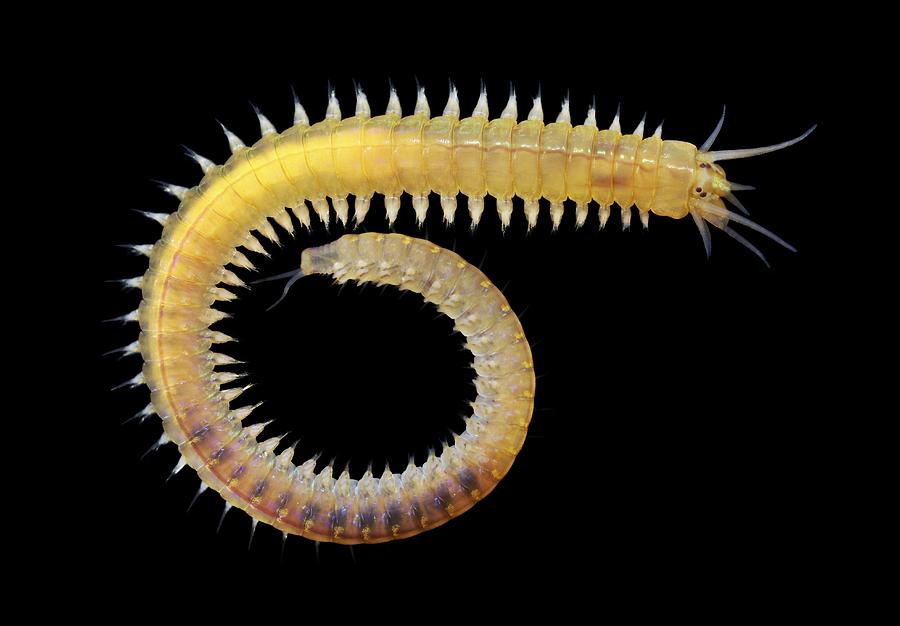
The label includes many annelids such as bristle worms and tube worms, along with several unrelated worm-shaped groups. Their external form can be similar even though their anatomy, evolutionary relationships, and diets differ.
Habitats from sand to vents
Marine worms live in seafloor mud, sandy flats, rocky crevices, reefs, and even deep-sea environments. Some build tubes; others burrow actively or crawl over surfaces. Oxygen, salinity, sediment type, and food supply help determine which species occupy a given patch of seabed.
Feeding jobs in the food web
Some species consume organic material within sediment, some filter particles from water, and others hunt small animals. Burrowing turns over sediment and can change oxygen movement, making worms important ecosystem engineers. Many are food for fish, shorebirds, and crustaceans.
Safe identification
Bristles, gills, tentacles, body segmentation, and tube material help distinguish groups. Some bristle worms can irritate skin, so avoid picking up unknown animals barehanded. A photograph with habitat and scale is generally more useful to an expert than a broad description such as “a long red sea worm.”
Sorting the ecosystem roles
An animal that lives in a tube may filter water, graze particles on the seabed, or actively seize prey. Some marine worms have feathery feeding structures, while others are fast-moving hunters. Sediment-dwelling worms may move oxygenated water through their burrows, changing local chemistry. To understand why a species matters, identify how it feeds and moves material rather than relying on color or body length. Group-level ecology is a starting point, not a substitute for species-level biology.
Observe the habitat, not just the name
A reliable identification should combine the animal’s range, habitat, appearance, and behavior. A common name or single photograph may hide several similar species. Water temperature, depth, and season can also change what an observer finds. For information about conservation or harvest rules, consult the authority responsible for the specific species and area.
Putting scientific names and ranges in context
Marine populations can move, change with ocean temperature, or contain closely related species that are hard to tell apart. When an article describes a habitat or food-web role, treat it as a typical pattern rather than a promise about every individual. Conservation and seafood guidance are also distinct: a species can have biological importance while regional fishing rules and consumption advisories vary independently. Check the latest species-specific agency material before acting on either.
Frequently asked question
Are marine worms all related?
No. The common name groups multiple unrelated marine invertebrate lineages with wormlike bodies.
