Nonvascular Plants: Mosses, Liverworts, and Hornworts
Nonvascular Plants. Explain bryophyte groups, reproduction without seeds and ecological.
Nonvascular Plants: Mosses, Liverworts, and Hornworts
Nonvascular plants lack the specialized xylem and phloem systems characteristic of vascular plants.
Plants without vascular plumbing
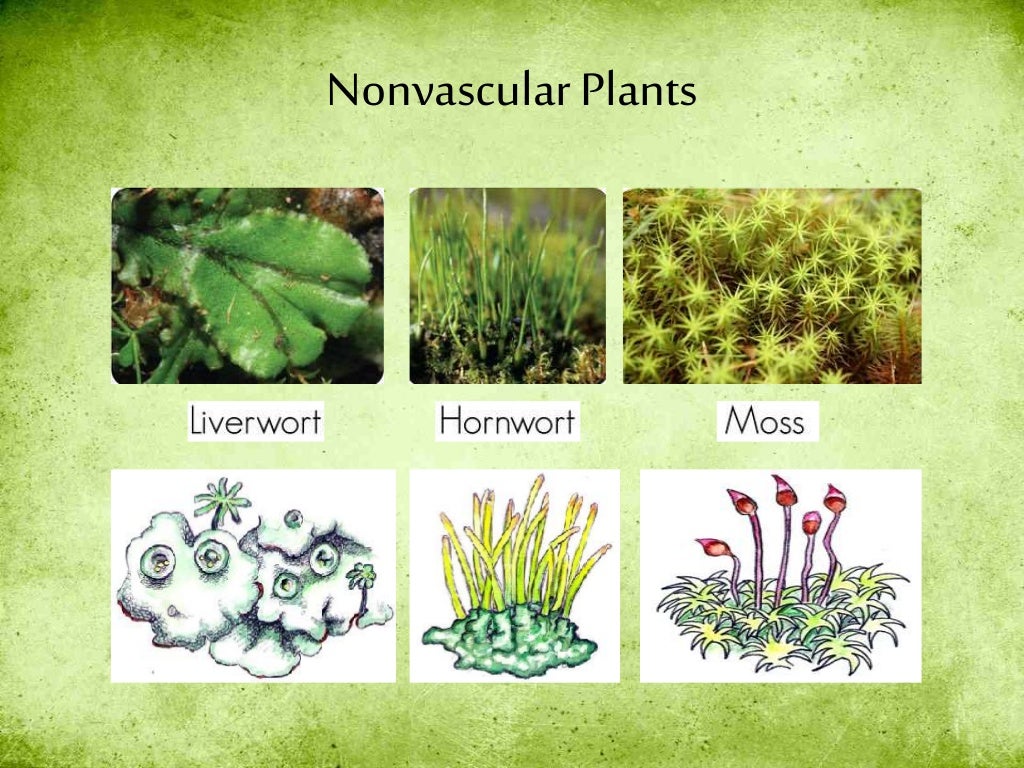
The familiar groups include mosses, liverworts, and hornworts, collectively called bryophytes in a broad sense. They are not tiny ferns, and most do not produce flowers, seeds, or woody stems.
Water and reproduction
Water availability strongly influences their physiology and reproduction. Many bryophytes need a film of water for sperm to reach eggs. They reproduce using spores and show a life cycle in which the gametophyte is prominent. The capsule visible on a moss stalk belongs to the spore-producing generation.
Where they grow
Nonvascular plants occur on soil, rocks, bark, wetlands, and other surfaces, including some remarkably dry sites. They can retain moisture, slow surface erosion, and create microhabitat for small invertebrates. Their small stature reflects evolutionary and physiological constraints, not an absence of ecological importance.
How to identify the groups
Mosses often have leafy-looking shoots, many liverworts have flattened thalli or distinctive small leaves, and hornworts can show elongated horn-like sporophytes. Microscopic characters may be necessary for species-level identification. Avoid scraping moss from rocks or logs simply to inspect it.
Small size, broad ecological effects
A moss cushion can retain rainwater and support tiny invertebrates, even though it lacks the vascular tissues of a fern or tree. Some bryophytes tolerate drying and resume activity when moisture returns; others depend on continuously damp habitats. Their spores help them colonize new surfaces, but successful reproduction often requires local moisture conditions. In field study, distinguishing a moss from a liverwort may require examining leaves or reproductive structures with magnification.
How to apply the definition
Ecological terms are useful only when the observation fits the definition. Record scale, location, substrate, season, and the process being studied. A soil label may describe origin rather than texture; a species label may describe ecological function rather than permanent identity. Compare multiple clues before generalizing from one example.
Evidence, location, and scale
A named ecological process can be real without occurring in the same way in every location. Researchers compare observations across seasons, habitats, and methods, then explain uncertainty. Garden soils, river deposits, natural forests, and farms each have histories that influence the patterns people see. For practical land-use choices, combine the general concept with local data such as soil surveys, climate records, and relevant conservation or agricultural guidance.
Frequently asked question
Do mosses make seeds?
No. Mosses and other bryophytes reproduce by spores rather than flowers and seeds.
