How to Choose the Best Outdoor Dog House
Learn how to pick the perfect outdoor dog house – from insulated models for winter to large‑size kennels for big breeds. Get buying tips, sizing charts, and weather‑proof features.
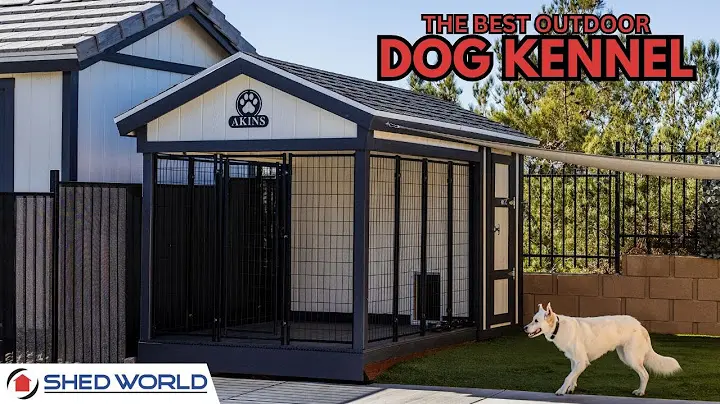
Choosing an outdoor dog house is more than picking a cute design; it’s about ensuring your pet stays comfortable, safe, and healthy across seasons. This guide walks you through the critical factors—size, insulation, and weatherproofing—so you can confidently select a shelter that meets your dog’s needs and your climate’s demands.
Choosing the Right Size
A well‑proportioned dog house gives your pet room to stand, lie down, and turn around without feeling cramped. Start by measuring your dog’s length from nose to tail tip and adding 6–8 inches for headroom. For the width, measure the widest part of the body and add 4–6 inches. Height should allow the dog to stand upright without hitting the ceiling; a good rule is to add 2–3 inches to the body height. For example, a 50‑pound Labrador typically requires a house that is 36 inches long, 28 inches wide, and 30 inches tall. If you have a large breed or a dog that likes to stretch out, consider a house that is 10–15% larger in each dimension. Beyond basic dimensions, consider the dog’s activity level and sleeping habits. Active dogs that run and jump may need a slightly larger floor area to accommodate movement, while a calm, older dog may be comfortable in a more compact space. Also, think about the number of dogs that will share the house; a single‑dog house should be sized for one animal, whereas a multi‑dog kennel must provide at least 30 square feet per dog. Finally, match the house’s footprint to the available outdoor space. A large, insulated kennel can dominate a yard, so ensure it fits within your garden layout and doesn’t interfere with pathways or landscaping. By carefully measuring and matching size to your dog’s needs and your yard’s constraints, you’ll create a comfortable, functional shelter that lasts for years.
Weatherproofing & Insulation
Weatherproofing protects your dog from wind, rain, snow, and extreme temperatures. Start with a sturdy frame—ideally a wooden or metal structure—because these materials resist warping and rot better than plastic alone. The roof should slope at a minimum of 30 degrees to shed water quickly; a peaked or gabled design is preferable to a flat roof, which can accumulate snow and leak. Insulation is the next critical layer. For colder climates, choose a house with at least 2 inches of foam insulation in the walls and roof, or a double‑wall design that traps air. In warmer regions, a breathable, ventilated design with mesh panels and a reflective roof coating helps keep the interior cool. Adding a removable, insulated bedding pad can further enhance comfort during extreme weather. Seal all seams with a high‑quality, weather‑proof sealant to prevent drafts. Use a waterproof, UV‑resistant exterior paint or stain to protect the wood from rot and sun damage. For added protection, install a raised floor or a concrete slab base to keep the house dry and prevent moisture from seeping in from the ground. Consider the placement of the house: situate it on a south‑facing slope to maximize sun exposure in winter and shade in summer. Position it away from wind tunnels created by trees or buildings, and use windbreaks such as shrubs or a fence to reduce wind chill. By combining a durable frame, proper insulation, and strategic placement, you’ll create a shelter that keeps your dog safe and comfortable year‑round.
Materials & Durability
Choosing the right material is the foundation of a long‑lasting outdoor dog house. Wood, while warm and familiar, requires regular sealing to resist rot, especially in damp climates. Cedar and redwood are naturally resistant to decay and pests, making them a popular choice for owners who prefer a natural aesthetic. However, untreated pine can warp or splinter over time if not properly treated with a weather‑proof sealant. Composite panels, made from recycled plastics and wood fibers, offer a low‑maintenance alternative. They resist moisture, resist mold, and are less prone to warping. Many composite models come with a built‑in insulation layer, reducing the need for additional thermal wraps. Metal roofs, such as corrugated steel or aluminum, provide superior protection against heavy rain and snow. They reflect solar heat, keeping the interior cooler in summer, and are highly durable in extreme weather. The downside is that metal can conduct cold, so pairing a metal roof with insulated walls is essential for winter climates. Insulation is critical regardless of the base material. Foam board or spray‑foam insulation can be added to the walls and roof to maintain a stable interior temperature. For breeds that are sensitive to temperature extremes, a double‑layered wall with a moisture barrier can prevent condensation and keep the dog dry.
Placement & Orientation
The location of an outdoor dog house directly affects its effectiveness. Position the house on a slope that allows water to drain away from the foundation, preventing standing water and mold growth. Avoid placing the house in a low‑lying area where snow or rain can accumulate. Orientation matters for temperature regulation. In northern climates, orient the house so that the roof faces south to maximize solar gain during winter. In warmer regions, a north‑south orientation can reduce direct sun exposure, keeping the interior cooler. If the dog house is near a fence or wall, ensure there is at least a 2‑foot clearance to allow airflow and prevent heat buildup. Proximity to shade is another consideration. A shaded spot under a tree or a pergola can provide natural cooling during hot months. However, avoid placing the house under a tree that sheds large amounts of bark or leaves, as this can clog vents and create a damp environment. Finally, consider the dog's activity level. A house placed near a play area or a path where the dog can easily access food and water will reduce the need for frequent trips to the house. This placement also encourages the dog to use the house regularly, reinforcing its role as a comfortable retreat rather than a neglected shelter.
Maintenance Tips
A well‑maintained outdoor dog house extends its life and keeps your pet healthy. Begin by inspecting the structure every season for signs of wear, such as cracked siding, loose nails, or sagging roof panels. Tighten any loose fasteners with a cordless drill and replace any damaged boards with matching material to preserve the integrity of the enclosure. This simple upkeep prevents water infiltration that can lead to mold or rot. Clean the interior at least twice a year. Remove bedding, food, and waste, then wash the walls and floor with a mild detergent solution. Avoid harsh chemicals that can strip protective coatings; a diluted bleach solution (one cup bleach per gallon of water) is effective for disinfecting while still safe for dogs. Rinse thoroughly and allow the house to dry completely before re‑bedding. Check the insulation regularly, especially in climates with extreme temperatures. If you use foam or spray‑foam insulation, look for gaps or compression that reduces thermal efficiency. Replace or add insulation as needed to maintain a stable interior temperature. For homes with metal or PVC walls, consider adding a reflective vapor barrier to reduce heat loss. Roof maintenance is critical. Inspect shingles or metal panels for cracks or loose seams. Re‑seal any leaks with a high‑quality, weather‑proof sealant rated for outdoor use. A properly sealed roof prevents water from seeping into the interior, which can compromise insulation and create a breeding ground for bacteria. Finally, protect the exterior from UV damage by applying a weather‑resistant paint or sealant every two to three years. This not only preserves the appearance but also adds a layer of protection against moisture and temperature extremes. By following these routine maintenance steps, you ensure a safe, comfortable, and durable outdoor home for your dog.
