Finding the Right Size Outdoor Dog House
Explore size charts and recommendations for large and extra‑large outdoor dog houses. Learn how to measure your dog and select a kennel that fits comfortably.
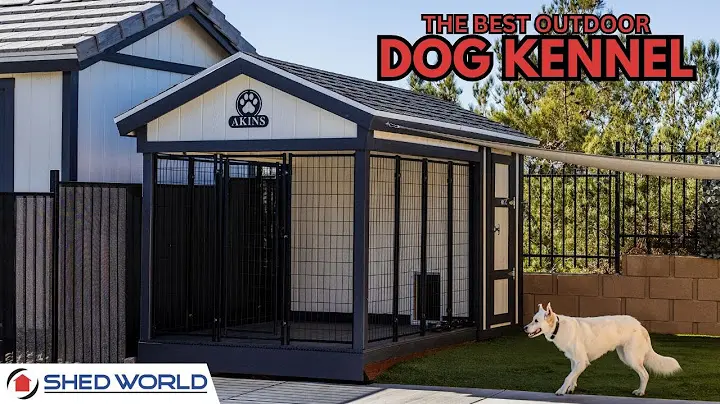
Choosing the right outdoor dog house for a large or extra‑large breed is essential for your pet’s comfort and safety. A well‑fitted shelter protects against harsh weather, provides a cozy retreat, and supports healthy sleep patterns. This guide focuses on precise sizing techniques and a clear standard size chart so you can confidently select a kennel that fits your dog’s unique dimensions.
Measuring Your Dog
Accurate measurements are the foundation of a suitable outdoor dog house. Start by measuring the dog’s height at the withers, the highest point of the shoulder blades, using a flexible tape measure. Record the measurement in inches or centimeters. Next, measure the length from the tip of the nose to the base of the tail, ensuring the tail is relaxed and not tucked. This length determines the interior floor space needed. For a comfortable fit, add 4 to 6 inches (10–15 cm) to the withers height and 6 to 8 inches (15–20 cm) to the length. These allowances provide headroom and legroom, preventing the dog from feeling cramped. Additionally, measure the width of the dog’s chest at the widest point, typically between the front legs. Add 4 to 6 inches (10–15 cm) to this width to accommodate shoulder movement. Finally, consider the dog’s weight and activity level; heavier or more active dogs may benefit from a slightly larger space to avoid overheating or strain. By following these steps, you’ll obtain a set of dimensions that can be matched against a standard size chart, ensuring the kennel you choose offers both comfort and durability.
Standard Size Chart
Below is a concise size chart that aligns with the measurements derived in the previous section. The chart is organized by breed weight categories and provides recommended interior dimensions for outdoor dog houses. Each entry includes the minimum interior height, width, and length needed to accommodate a large or extra‑large dog comfortably. The dimensions are expressed in inches, but you can convert to centimeters using a 1:2.54 ratio if preferred. When selecting a kennel, choose a model whose interior measurements meet or exceed these values. If your dog’s measurements fall between two categories, err on the side of the larger size to avoid a cramped environment. This approach ensures adequate ventilation, reduces the risk of overheating, and promotes healthy sleep posture. The chart also highlights the importance of a sloped roof for water runoff and a solid floor for insulation. By matching your dog’s specific measurements to the chart, you can confidently purchase an outdoor dog house that supports both comfort and safety for your large‑sized companion.
Extra‑Large Options
When selecting an outdoor dog house for a large or extra‑large breed, the first consideration is the dog’s standing height and length. A general rule is to add 2–3 inches to the dog’s height and 4–6 inches to the length to allow for comfortable movement and bedding. For example, a 60‑pound Labrador that stands 24 inches tall would need a kennel with a minimum interior height of 26–27 inches and a length of 36–38 inches. This extra space prevents the dog from feeling cramped and reduces the risk of injury when the dog lies down or stands up. The width should be at least 1.5 times the dog’s shoulder width; a 60‑pound Labrador typically has a shoulder width of 18–20 inches, so a width of 30–32 inches is advisable. Material choice also impacts comfort. Hard‑shell plastic or metal frames with insulated walls provide durability and temperature control. Insulation is especially important in climates that experience extreme heat or cold; a foam‑filled interior can keep the kennel’s interior temperature within 10–15 degrees of the outside air. Ventilation is equally critical; a mesh roof or side panels allow airflow while preventing drafts. Many manufacturers offer adjustable vents that can be opened or closed depending on weather. Durability is a key factor for outdoor use. A heavy‑gauge steel frame with a rust‑resistant coating can withstand wind and rain for years. The floor should be raised off the ground on a concrete slab or a raised platform to prevent moisture from seeping into bedding. A removable, waterproof floor mat simplifies cleaning and helps maintain a dry environment. Finally, consider the kennel’s footprint: an extra‑large model may require a 4–5 foot square area, so ensure the yard can accommodate the space without interfering with pathways or other structures.
Multi‑Dog Kennels
Multi‑dog kennels designed for outdoor use must balance individual space with shared resources. The recommended minimum interior width per dog is 24 inches, and the length should be 36 inches, ensuring each dog can lie down and stand without obstruction. For a pair of medium‑sized dogs, a kennel measuring 48 inches wide by 72 inches long provides ample room. Adding a third dog would necessitate a 60‑inch width and 90‑inch length to maintain the same per‑dog dimensions. Partitioning is a common feature in multi‑dog designs. A removable or fixed divider can create separate sleeping areas while allowing visual contact. This setup reduces stress by giving each dog a sense of personal space while still permitting social interaction. The divider should be at least 12 inches tall and made of sturdy, chew‑resistant material. Ventilation and insulation remain critical. Multi‑dog kennels often have larger openings, which can increase airflow but also expose dogs to wind. Installing a high‑quality mesh roof and side panels with adjustable vents helps regulate temperature. Insulation panels on the walls and floor reduce heat loss in winter and keep the interior cooler in summer. Flooring should be non‑slip and easy to clean. A rubber or vinyl mat that can be removed and washed prevents the buildup of bacteria and parasites. For outdoor use, the kennel should be anchored securely to a concrete foundation or heavy base to resist wind and prevent tipping. Proper anchoring also protects the structure from damage caused by dogs pulling on the frame.
