Understanding Dog House Materials and Build Quality
Learn about the best materials for outdoor dog houses, including wood, plastic, and metal. Compare durability, insulation, and maintenance requirements.
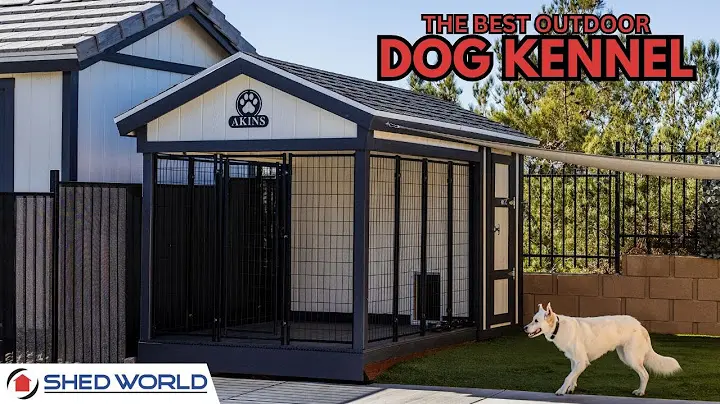
Choosing the right material for an outdoor dog house is essential for durability, comfort, and ease of maintenance. This guide examines the three most common construction options—wood, plastic, and metal—highlighting their strengths and weaknesses in real‑world conditions. By understanding how each material behaves under weather, temperature swings, and everyday wear, you can make an informed decision that balances cost, longevity, and your dog’s well‑being.
Wood vs. Plastic vs. Metal
Wood has long been favored for its natural appearance and excellent insulating properties. When properly treated with sealants or pressure‑treated grades, it can resist rot and withstand moderate weather. However, wood requires regular maintenance: periodic sanding, resealing, and inspection for moisture damage. In humid climates, untreated wood may warp or develop mold, reducing its lifespan. Plastic, on the other hand, offers a low‑maintenance alternative. High‑density polyethylene (HDPE) and polypropylene are resistant to rot, insects, and UV degradation, making them suitable for harsh environments. Their smooth surfaces also prevent the accumulation of dirt and moisture, simplifying cleaning. The downside of plastic is its thermal performance; it can become hot in summer and cold in winter unless insulated, and it may crack under extreme temperature fluctuations. Metal, typically aluminum or steel, provides unmatched structural strength and can be engineered to resist wind and heavy snowfall. Metal frames can be coated with weather‑resistant finishes to prevent corrosion. Yet metal conducts heat and cold, so without proper insulation, it can create uncomfortable temperature extremes for pets. Additionally, metal structures may be heavier and more costly to transport and assemble. Each material’s suitability depends on climate, budget, and the level of upkeep you are willing to perform. By weighing these factors, you can select the construction type that best aligns with your outdoor dog house goals.
Insulation Options
Effective insulation is critical for maintaining a comfortable interior temperature regardless of the exterior material. For wooden dog houses, adding a layer of rigid foam board—such as extruded polystyrene (XPS) or expanded polystyrene (EPS)—between the studs and the exterior siding can significantly reduce heat transfer. Rigid foam also provides a moisture barrier, preventing condensation from forming on interior walls. In plastic houses, insulation is often integrated into the walls as a foam core or added as a separate panel. Using a closed‑cell foam core within the plastic panels offers superior thermal resistance and adds structural rigidity, which is especially beneficial in regions with heavy snowfall. Metal houses require a different approach; a common method is to attach insulated panels or foam insulation to the metal walls, then cover them with a weather‑proof exterior finish. Closed‑cell foam is preferred because it resists moisture absorption and maintains its insulating properties even when damp. Another option for metal structures is to use a double‑wall design, where a cavity between two metal sheets is filled with insulating material. This not only improves thermal performance but also reduces noise from wind and rain. Regardless of the base material, installing a proper roof vent or a small fan can help regulate humidity and prevent mold growth. Ventilation must be balanced with insulation to avoid creating drafts that could chill the dog during colder months. By selecting the right insulation type and ensuring it is installed correctly, you can create a cozy, energy‑efficient shelter that protects your dog from the elements while keeping maintenance manageable.
Durability & Weather Resistance
When selecting a material for an outdoor dog house, the first consideration is how well it can withstand the elements. Wood, especially treated hardwoods like cedar or redwood, offers natural resistance to rot and insects when properly sealed. However, it still requires periodic maintenance such as repainting or reapplying a protective finish to prevent water infiltration and mold growth. Plastic, often high‑density polyethylene (HDPE), resists moisture and is impervious to rot, making it a low‑maintenance option. Its ability to flex slightly under wind loads reduces cracking, but it can become brittle in extreme cold, potentially cracking under snow weight. Metal, typically aluminum or galvanized steel, provides excellent structural strength and can be engineered with corrugated panels for added rigidity. Metal surfaces can be coated with paint or powder‑coated finishes to prevent corrosion, yet they conduct heat, which may make the interior uncomfortably warm in summer unless insulated. Each material’s weather resistance also depends on construction details: a well‑drained roof, proper flashing, and adequate ventilation mitigate moisture buildup, regardless of the base material. For owners in regions with heavy snowfall, a metal or plastic house with a steeply pitched roof and a sealed base will better prevent snow accumulation and water seepage. In humid climates, wood treated with a water‑repellent sealant can perform comparably to plastic, provided the sealant is reapplied every few years. Ultimately, durability is a function of both the inherent properties of the material and the quality of the construction and maintenance practices.
DIY vs. Pre‑Built
Choosing between a DIY dog house and a pre‑built model hinges on the owner’s skill level, time commitment, and desired customization. A DIY project allows precise control over dimensions, insulation, and material selection, enabling the builder to incorporate features such as a removable floor for cleaning or a built‑in rain gutter. For example, a homeowner can use insulated foam panels between wood studs to enhance thermal performance, a feature rarely available in mass‑produced units. However, DIY construction demands accurate measurements, proper fastening techniques, and knowledge of local building codes, especially for structures that will be exposed to wind or heavy snow loads. Mistakes in framing or sealing can compromise the house’s weather resistance, leading to water damage or structural failure. Pre‑built houses, on the other hand, are manufactured to meet industry standards and often come with warranties that cover material defects and structural integrity. They typically include pre‑cut lumber or molded plastic components, reducing on‑site labor and ensuring consistent quality. Many pre‑built options also feature integrated ventilation systems and insulation, which can be difficult to replicate accurately in a DIY build. The trade‑off is flexibility: pre‑built designs may not accommodate unique site conditions or specific size requirements for larger breeds. For owners who value convenience and guaranteed performance, a pre‑built house is a reliable choice. For those with carpentry experience and a desire for a custom fit, a DIY approach offers the greatest control over design and material selection.
