Are Plastic Dog Houses Right for Your Dog?
Review the pros and cons of plastic dog houses, ideal uses, and buying tips for outdoor durability.
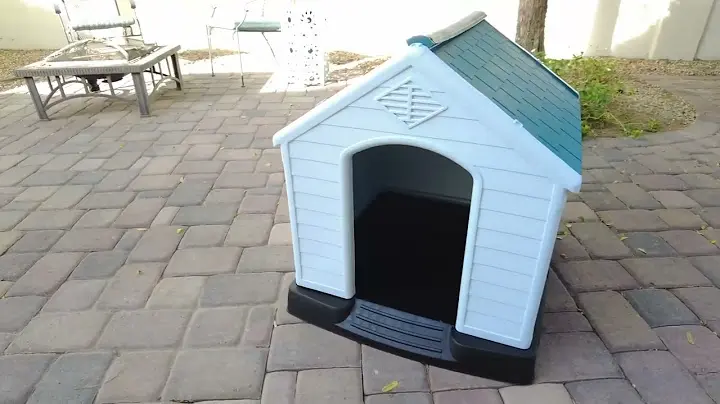
Plastic dog houses are a popular choice for pet owners seeking a lightweight, weather‑resistant shelter for their dogs. Made from durable polyethylene or polypropylene, these structures combine affordability with easy maintenance, making them ideal for outdoor use. This review explores the key advantages and drawbacks of plastic dog houses and highlights the situations where they shine best.
Pros & Cons
Pros of plastic dog houses include their lightweight construction, which makes them easy to move and set up in various locations. The material’s inherent resistance to rot, mold, and insect damage ensures a long lifespan even in damp climates. Many models feature a removable roof or built‑in ventilation panels that help regulate temperature, keeping dogs cool in summer and warm in winter. The low cost of production translates to a lower retail price, allowing pet owners to purchase a larger or higher‑quality unit without breaking the bank. Additionally, plastic shelters are simple to clean; a quick rinse or wipe‑down removes dirt and prevents bacterial buildup. Cons arise mainly from the material’s rigidity. Plastic can become brittle in extreme cold, leading to cracks or structural failure. In hot weather, the same rigidity can trap heat, making the interior uncomfortable unless adequate ventilation is provided. Some plastic models lack insulation, so temperature swings can be more pronounced than in insulated wood or metal houses. Finally, while plastic is resistant to rot, it can still degrade under prolonged UV exposure, especially if the shelter is left outdoors year‑round without protective coatings.
Best Uses
Plastic dog houses excel in environments where quick assembly and frequent relocation are necessary, such as seasonal pet camps, dog shows, or temporary shelters during home renovations. Their resistance to moisture makes them suitable for damp yards or areas prone to rain, as they do not absorb water like untreated wood. For small to medium‑sized dogs, a well‑ventilated plastic house provides a cozy retreat without the need for extensive insulation. They also serve well as training aids for puppies or shy dogs. The lightweight design allows owners to move the shelter into different parts of the yard, encouraging exploration and establishing a consistent routine. In addition, plastic houses can be used in multi‑dog households where space is limited; stacking or arranging several units side by side creates a modular play area. However, for large breeds or dogs that spend extended periods outdoors, a plastic house may need supplemental insulation or a heat‑retaining layer. Owners can add a foam or rubber mat inside to improve comfort. When selecting a plastic dog house, look for models with a removable roof or built‑in vents, and consider adding a UV‑protective coating if the shelter will be exposed to direct sunlight for long periods.
Top Picks
When selecting a plastic dog house, the first consideration is durability. Look for models constructed from high‑density polyethylene (HDPE) or polypropylene, which resist cracking and UV damage better than lower‑grade plastics. A popular choice is the "DurableDog HDPE Shelter," which features a reinforced frame and a removable, insulated floor that can be swapped for a foam pad during winter. Its design includes a vented roof and a front door that opens wide enough for most breeds, while the sloped walls help shed rain and snow. The second recommendation is the "EcoGuard Pet House," made from recycled plastic. This model offers a built‑in rain gutter and a removable, washable interior lining. The manufacturer provides a 10‑year warranty on the shell, indicating confidence in its longevity. Its modular design allows owners to add a side door or a loft space for larger dogs. A third option, the "BudgetBark Plastic Hut," is ideal for small to medium dogs and is priced under $100. It uses a double‑wall construction that keeps the interior cooler in hot weather and warmer in cold conditions. The house comes with a pre‑installed, weather‑proof door seal to prevent drafts. All three models share key features: a removable floor for easy cleaning, a vented roof to prevent condensation, and a door that can be fitted with a lock for added security. When choosing among them, weigh the size of your dog, the local climate, and your budget to find the best match for your outdoor shelter needs.
Maintenance Guide
Cleaning a plastic dog house is straightforward but essential for your pet’s health. Start by removing any bedding and debris, then rinse the interior with a mild detergent solution. Use a soft brush to scrub the walls and floor, paying special attention to corners where mold can accumulate. Rinse thoroughly to avoid leaving soap residue, which can irritate sensitive skin. After cleaning, inspect the door seal and hinges for wear. Replace any cracked or warped plastic components promptly, as gaps can allow drafts and moisture to enter. If the house has a removable floor, replace it with a fresh, insulated layer every six months to maintain temperature control. To protect the exterior from UV degradation, apply a UV‑blocking spray designed for plastics. This coating helps maintain the color and structural integrity of the house over time. Reapply the spray annually or as recommended by the manufacturer. Seasonal maintenance is also important. In winter, add a layer of insulation or a thermal blanket to the interior to keep the dog warm. In summer, ensure the roof remains clear of debris and that the ventilation system is functioning to prevent overheating. By following these steps—regular cleaning, component inspection, UV protection, and seasonal adjustments—you can extend the life of a plastic dog house and keep your pet comfortable and safe year after year.
