Vivarium Tanks: Choosing an Enclosure for Reptiles and Amphibians
Understand vivarium tank types, ventilation, access, dimensions and climate needs before choosing glass, PVC or another enclosure material.
Vivarium Tanks: Choosing an Enclosure for Reptiles and Amphibians
A vivarium tank is an enclosure designed or adapted for living animals and, in some cases, plants. 'Terrarium,' 'vivarium' and 'reptile tank' are often used loosely in product listings, so the useful comparison is not the label but the space, ventilation, security and environmental control the enclosure actually provides.
What makes an animal enclosure different? An animal vivarium must support a particular species' movement, heat, light, moisture, hiding and cleaning requirements. A decorative glass jar or ordinary aquarium is not automatically safe for a gecko or snake. Purpose-built front doors, cable routes, guards and ventilation may simplify habitat management, but even an expensive vivarium can be unsuitable when its shape is wrong.
Ask four questions before shopping: Does the resident need more floor or height? Can a warm and a cool zone exist at the same time? Can the animal escape heat and UVB exposure? Can the keeper safely inspect and disinfect the enclosure? The answers decide enclosure type better than a generic 'best reptile cage' list.
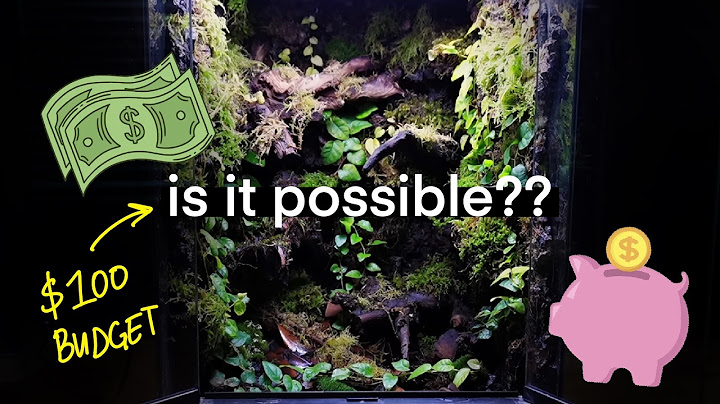
Glass, PVC and acrylic have different tradeoffs Glass is easy to view and generally straightforward to clean, but it can lose heat readily and reflect room activity that stresses some animals. PVC panels often provide more insulation and visual privacy and may be easier to customize for vents. Plastic surfaces vary in heat tolerance and scratch resistance. Acrylic is lightweight but can scratch and flex, and some designs may require extra ventilation planning.
A converted aquarium often has top-only access. That can be inconvenient for maintenance and may startle species that prefer approach from the side. Mesh-top ventilation may help, yet it can also reduce humidity or alter UVB transmission. There is no material that automatically solves the whole care problem.
Shape the space around animal behavior Terrestrial species need enough floor area for movement and a thermal gradient. Arboreal species need real vertical climbing routes and safe perches, not just a tall volume of air. Semi-aquatic animals may need engineered land and water areas. Compare interior dimensions after accounting for soil depth, fixtures and furnishings. A huge nominal gallon capacity can still be the wrong shape for the resident.
Make sure branches, hides and platforms are anchored. A live-animal enclosure should not contain collapsing rocks, unguarded hot bulbs or sharp edges. For a bioactive build, soil and plants should not block inspection of the lower corners or create a damp stagnant zone.
Ventilation and moisture are a balancing act Humid tropical species often need a moisture cycle together with sufficient air exchange; arid species require suitable dry areas and sometimes localized humid retreats. Sealing every vent to raise humidity is dangerous. Merck Veterinary Manual cautions against reducing ventilation as a substitute for proper humidity management. Instead, evaluate moisture-retentive substrate, controlled misting, room climate and vent location together.
Test the empty setup for several days with doors closed. Measure conditions where the animal can sit, climb or hide. Fine-tune vents and moisture sources from readings rather than from condensation alone. In paludarium designs, waterproofing and safe separation of water from electricity add further complexity.
Check access and escape prevention Look at door locks, hinge gaps, feeding hatches, cable ports, drainage fittings and screen security. Young geckos, snakes and feeder insects can exploit surprisingly small openings. Plan for power outages and a routine way to access every corner. Make sure heavy stands can support the finished weight, including wet soil and rocks.
A sensible buying decision specifies the resident animal, needed interior dimensions, safe lamp distances, ventilation strategy and cleaning routine before selecting a brand or aesthetic. A good vivarium makes proper husbandry easier to sustain every day.
Explore related terrarium guides
Related reading: Bioactive Terrarium Setup: A Species-First Guide.
Related reading: 4x2x2 Reptile Enclosure: Size and Setup Guide.
Related reading: Terrarium Kits: Plant Jar vs Reptile Habitat.
Related reading: Crested Gecko Terrarium: Bioactive Setup Guide.
Frequently asked questions
What is the difference between a terrarium and a vivarium?
Retail labels overlap. For animal housing, evaluate dimensions, ventilation and safe environmental control rather than naming alone.
Can I convert an aquarium into a reptile enclosure?
Sometimes, but verify ventilation, access, escape security and appropriate lamp placement before use.
Does glass hold heat better than PVC?
Glass often loses heat faster; performance depends on enclosure design, room conditions and ventilation.
Is a tall tank suitable for ground-dwelling reptiles?
Not automatically. Terrestrial species also need sufficient usable floor area.
Can I close vents to raise humidity?
Do not sacrifice ventilation; adjust water management and enclosure design while checking species-specific conditions.