Tubifex Worms: Biology, Sediments, and Aquarium Feeding Risks
Tubifex Worms. Explain aquatic oligochaetes, organic-rich sediment, and biosecurity concerns in live.
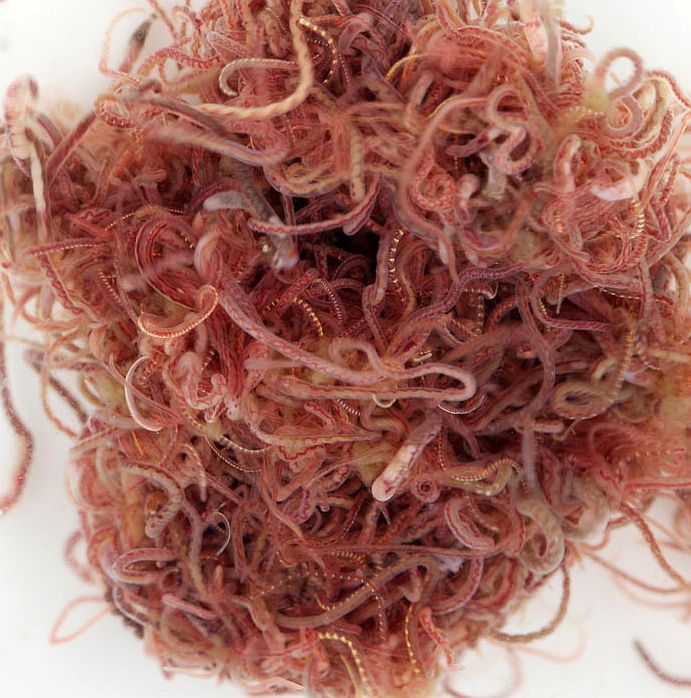
Tubifex Worms: Biology, Sediments, and Aquarium Feeding Risks
Tubifex usually means small aquatic oligochaete worms, often associated with fine sediments rich in organic material.
What Tubifex refers to
Tubifex tubifex is a familiar name, although identification among similar aquatic worms can require microscopic examination. These worms are annelids, not insect larvae.
Why they gather in sediment
Many tubificid worms live with their front ends buried and hind ends projecting into water. Waving the exposed end can improve oxygen exchange when sediment contains little dissolved oxygen. Dense worm patches may reflect abundant organic material, but their presence alone cannot identify a particular pollutant.
Ecological function
These worms process sediment-bound organic matter and serve as prey for aquatic animals. Their feeding and burrowing help redistribute fine particles. Their abundance is sometimes used in freshwater biological monitoring, yet interpretation requires sampling methods and comparison with the whole invertebrate community.
Aquarium feed and biosecurity
Live Tubifex offered as fish food may originate from environments with variable microbial or contaminant exposure. Source, handling, and storage therefore matter. Commercially prepared feeds reduce some uncertainties, but no product is risk-free. Avoid claims that live worms cure fish disease or are universally necessary for growth.
What a worm bloom can indicate
Finding many thin red worms protruding from organic-rich sediment may prompt concern about oxygen or nutrient conditions. That observation can justify checking dissolved oxygen, organic input, and other aquatic invertebrates, but it cannot diagnose a single pollution source. Tubificid worms occur naturally in many aquatic environments. In aquaria, a different question arises: whether live feed is being obtained and handled hygienically. Environmental bioindication and captive-animal feed safety should not be treated as the same issue.
Observe the habitat, not just the name
A reliable identification should combine the animal’s range, habitat, appearance, and behavior. A common name or single photograph may hide several similar species. Water temperature, depth, and season can also change what an observer finds. For information about conservation or harvest rules, consult the authority responsible for the specific species and area.
Putting scientific names and ranges in context
Marine populations can move, change with ocean temperature, or contain closely related species that are hard to tell apart. When an article describes a habitat or food-web role, treat it as a typical pattern rather than a promise about every individual. Conservation and seafood guidance are also distinct: a species can have biological importance while regional fishing rules and consumption advisories vary independently. Check the latest species-specific agency material before acting on either.
Frequently asked question
Are Tubifex worms always a sign of pollution?
No. They may thrive in organic-rich low-oxygen sediment, but environmental assessment requires more than one indicator.
