Crested Gecko Terrarium: Vertical, Planted Habitat Setup
Plan a safe crested gecko terrarium with climbing space, ventilation, species-specific humidity cycles and live plants that support the enclosure.
Crested Gecko Terrarium: Vertical, Planted Habitat Setup
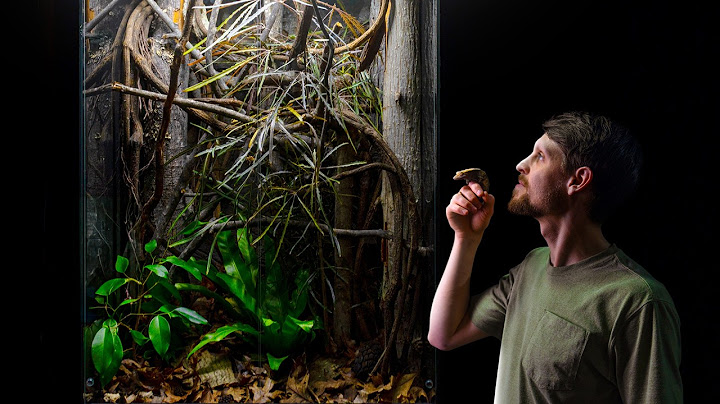
A crested gecko terrarium needs vertical climbing space, secure branching, leaf cover and ventilation that supports changing humidity through the day. A planted bioactive setup can look attractive, but a tall box without usable perches is not good housing. Moisture should rise and fall rather than remain at a saturated level around the clock.
Choose height, then make it usable Crested geckos are arboreal. The RSPCA lists a minimum adult enclosure of about 45 cm wide, 60 cm high and 45 cm deep, and more usable space can allow a richer climbing layout. A narrow, empty tower does little for the animal. Create connected routes between vertical and horizontal branches, cork tubes and sturdy foliage. Use secure attachments that will not loosen when a gecko jumps, and avoid sharp ties and adhesive residue in accessible areas.
Place retreat areas at more than one height and make sure the animal can reach a feeding station without crossing an exposed open space. The animal should be able to choose between sheltered and brighter areas. Check doors, vents and cable openings carefully: crested geckos are capable climbers and small gaps can become escape routes.
Control warmth without creating a hot tower Room conditions vary, so measure actual air temperatures at upper and lower perches before choosing extra heat. Keep heat sources thermostatically controlled and protected from contact. A high perch near a lamp can become far hotter than the room thermometer indicates. Put the enclosure away from windows, radiators and air-conditioning drafts; direct sun through glass is particularly unpredictable.
Lighting should establish a stable day-night cycle and offer suitable shade. RSPCA guidance includes a measured UVB approach for crested geckos; fixture selection and output require attention to mesh and distance. A plant grow light alone should not be assumed to provide reptile-appropriate UVB. Confirm actual exposure rather than copying a stranger's bulb placement.
Think in humidity cycles The RSPCA describes a lower normal humidity range with temporary rises after spraying. That means freshly misted leaves may be wet briefly while the enclosure later dries back. Measure humidity at gecko height and look for condensation that persists all day, soggy soil and poor airflow. Continually wet substrate can encourage bacteria and damage plant roots. Ventilation must not be sacrificed merely to chase a high hygrometer number.
Use clean water, check that the gecko has access to a suitable drinking source and monitor the shedding process. Automated misting may be convenient, but no timer guarantees the right conditions in every room. Adjust it from measured readings and visible drying, not a fixed schedule borrowed from another enclosure.
Planting a bioactive climbing habitat Select plants only after checking their safety for the animal and ability to tolerate the chosen humidity and lighting. Wash or quarantine nursery plants to avoid fertilizer and pesticide residues. Secure branches before planting. If the design needs a drainage reservoir, build a separator that leaves the growing mix above standing water; inspect or drain the reservoir when necessary.
Springtails and carefully matched isopods may assist in leaf-litter breakdown. They do not clean food ledges, remove all waste or prevent every mold outbreak. Monitor them along with the gecko. A thriving vine cannot compensate for unsafe temperatures or inadequate cover.
Daily care continues Inspect latches, misting performance, feces, food ledges, the water source and the animal's behavior. Wipe spoiled prepared diet promptly and clean surfaces that animals lick or stand on. Check that foliage has not blocked all airflow or brought a branch dangerously close to a lamp. If respiratory signs, poor shedding or other health concerns develop, seek guidance from an exotic-animal veterinarian.
Explore related terrarium guides
Related reading: Bioactive Terrarium Setup: A Species-First Guide.
Related reading: Terrarium Substrate: Bioactive Soil Layers.
Related reading: Vivarium Tanks: Glass, PVC and Habitat Design.
Related reading: Reptile UVB Lighting: Species-Based Setup.
Frequently asked questions
Do crested geckos need tall tanks?
Yes. They are climbing reptiles, so vertical space must contain secure branches and usable cover.
Should crested gecko humidity stay high all day?
Not necessarily. Follow species guidance that allows humidity rises after misting and drying between cycles.
Can I keep the soil permanently wet?
No. Waterlogged soil can create unhealthy conditions and damage roots; manage drainage and airflow.
Do plants replace climbing branches?
No. Provide secure perches and climbing routes in addition to appropriate foliage.
Does a planted enclosure require cleaning?
Yes. Food ledges, water, feces and accessible surfaces still need monitoring and cleaning.
Animal-care note: This is educational husbandry guidance, not a diagnosis or a substitute for species-specific veterinary care.