Eastern Meadowlark: Song, Range and Grassland Habitat
Eastern Meadowlark: Song, Range and Grassland Habitat Explore evidence-based facts, context and common misconceptions.
Eastern Meadowlark: Song, Range and Grassland Habitat
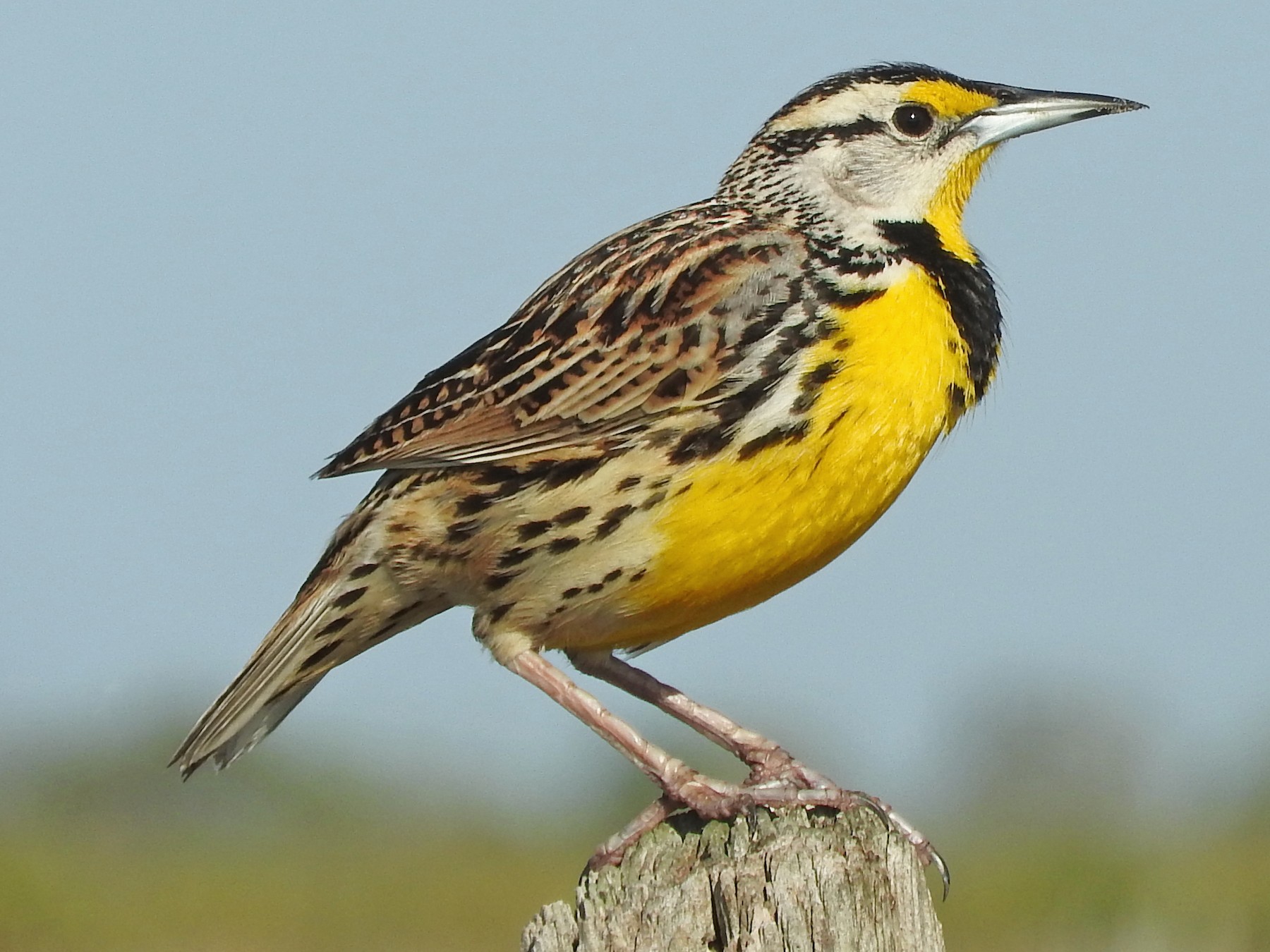
The Eastern Meadowlark is a stocky grassland songbird with a yellow breast crossed by a dark V-shaped band. Its fluting song is one of its most recognizable features in open fields of eastern North America.
The essentials
The bird builds nests on the ground and feeds on insects and seeds in pasture and grassland. Its habitat requirements explain why mowing schedules, land conversion, and management of open fields affect nesting success.
What makes this subject distinctive
The name meadowlark is misleading if it suggests a close relationship to true larks. Eastern and Western Meadowlarks can also be difficult to separate by sight; song and geography are often important.
Food sources, safe nesting places, and movement between habitats influence where birds appear. A forest bird may visit a campsite, and a grassland bird may cross a suburb, but a brief encounter cannot establish its preferred year-round habitat. Regional field guides and dated sightings give important context.
Common misconceptions and limits
Grassland birds can disappear from fields that still look green and open if the vegetation structure or disturbance regime no longer supports successful breeding.
Wild birds should be described as part of an ecosystem, not as pets whose behavior can be controlled. Habitat, season, and the age or sex of the animal can change the observations available to a field researcher. Good sources include regional bird atlases and field observations with dates.
Why the habitat matters
Food sources, safe nesting places, and movement between habitats influence where birds appear. A forest bird may visit a campsite, and a grassland bird may cross a suburb, but a brief encounter cannot establish its preferred year-round habitat. Regional field guides and dated sightings give important context.
Key points at a glance
The Eastern Meadowlark is a stocky grassland songbird with a yellow breast crossed by a dark V-shaped band.
The bird builds nests on the ground and feeds on insects and seeds in pasture and grassland.
The name meadowlark is misleading if it suggests a close relationship to true larks.
Frequently asked questions
What is a useful first identification clue?
The Eastern Meadowlark is a stocky grassland songbird with a yellow breast crossed by a dark V-shaped band.
Does appearance or behavior vary?
The bird builds nests on the ground and feeds on insects and seeds in pasture and grassland.
What should be checked before making a broad claim?
Grassland birds can disappear from fields that still look green and open if the vegetation structure or disturbance regime no longer supports successful breeding.
Explore related guides
A Field Guide to Wild Birds: Identification, Habitats, Behavior and Conservation
