A Field Guide to Wild Birds: Identification, Habitats, Behavior and Conservation
A practical, source-led guide to wild birds and bird ecology, with accurate explanations and links to detailed topics.
A Field Guide to Wild Birds: Identification, Habitats, Behavior and Conservation
Birds are among the most visible signs of a functioning ecosystem, but a single field mark or seasonal sighting rarely tells the whole story. This guide explains the principles behind identification, habitat use, feeding, and bird conservation without taking over the narrower questions covered by individual species profiles.
How to identify birds without relying on color alone
Birds can look very different across seasons, between sexes, or at different ages. Begin with the silhouette: proportions of head, tail, bill, and wing shape tend to remain useful when a bird is backlit. Follow with the way it moves, feeds, and vocalizes. Colors are valuable, but should be the final confirmation rather than the only clue.
In practical reading, this distinction helps prevent a narrow example from becoming an unsupported general rule. Ask which place, species, time period, instrument, or source the claim concerns. That context often changes the meaning of an otherwise simple fact.
Habitats and seasonal movement
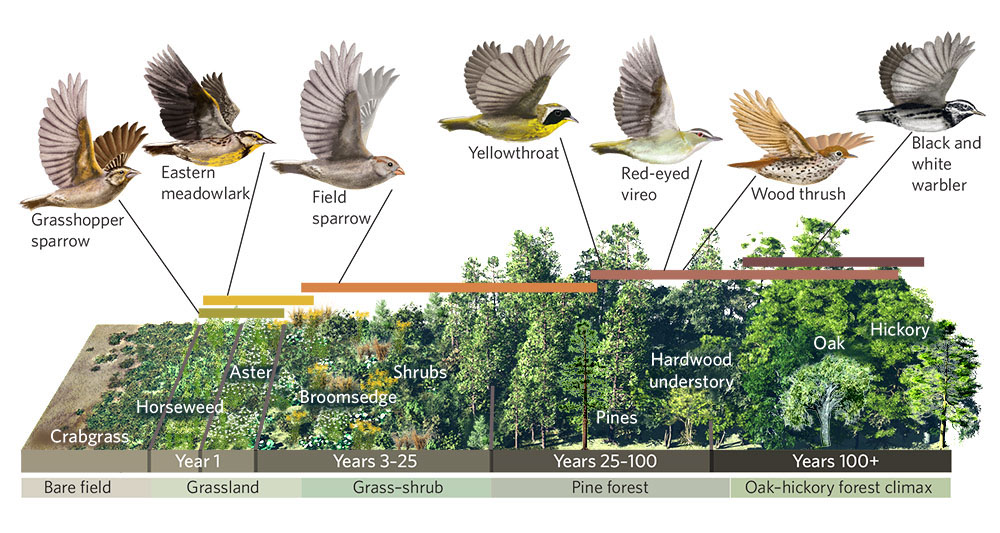
North American birds occupy forests, wetlands, deserts, grasslands, and coasts. A species may breed in one region, pass through another on migration, and winter somewhere else entirely. This is why a sighting date is as important as a map dot. Wetland birds concentrate where food and shallow water are available; woodland birds may depend on different forest layers.
In practical reading, this distinction helps prevent a narrow example from becoming an unsupported general rule. Ask which place, species, time period, instrument, or source the claim concerns. That context often changes the meaning of an otherwise simple fact.
Feeding strategies from seed eaters to predators
Bill shape offers a starting clue to diet. Finches crack seeds, raptors capture prey, and long-billed waders probe water or mud. Yet most birds eat a more varied diet than a single label suggests. Seasonal insects may be crucial for raising chicks even in species commonly seen at seed feeders.
In practical reading, this distinction helps prevent a narrow example from becoming an unsupported general rule. Ask which place, species, time period, instrument, or source the claim concerns. That context often changes the meaning of an otherwise simple fact.
Courtship, nesting, and conservation
Breeding behavior can be dramatic: grouse gather at display grounds, meadowlarks sing from exposed perches, and cranes dance and call. Habitat protection must account for nesting sites and the larger landscape used during the rest of the year. Climate, building collisions, land conversion, and altered fire patterns can affect different species in very different ways.
In practical reading, this distinction helps prevent a narrow example from becoming an unsupported general rule. Ask which place, species, time period, instrument, or source the claim concerns. That context often changes the meaning of an otherwise simple fact.
How to use the species guides
The linked articles explore field marks, flight, diet, and ecology in more detail. Treat each as a species-specific starting point. Never infer the behavior of all birds from a single example, and prefer dated regional observations when assessing local abundance.
In practical reading, this distinction helps prevent a narrow example from becoming an unsupported general rule. Ask which place, species, time period, instrument, or source the claim concerns. That context often changes the meaning of an otherwise simple fact.
Checking the evidence
Wild birds should be described as part of an ecosystem, not as pets whose behavior can be controlled. Habitat, season, and the age or sex of the animal can change the observations available to a field researcher. Good sources include regional bird atlases and field observations with dates.
Field marks change with lighting, molt, age, and the season. Good bird identification combines shape, behavior, voice, and geographic range rather than treating one colorful photograph as the definitive answer. It is also important to distinguish a bird seen during migration from evidence that it breeds locally.
Frequently asked questions
Is bird color enough for identification?
No. Color can vary with sex, age, season, and light. Shape, song, behavior, and range provide independent clues.
Why do some birds appear only seasonally?
Migration, breeding schedules, and shifting food availability can change where birds are observed through the year.
Does seeing a species once mean it nests nearby?
No. A bird may be traveling through or foraging temporarily. Breeding evidence requires additional observations.
Explore related guides
Use these focused articles when you need a species profile, a historical timeline, a specific measurement, or a closer look at one physical process. Each guide has a narrower purpose than this overview.
Steller’s Jay: Identification, Range and Forest Behavior
Black Vulture: Range, Food and Social Behavior
Can Flamingos Fly? Anatomy, Flight and Migration
Great Egrets: Identification, Habitat and Hunting
What Do Owls Eat? Prey, Hunting and Adaptations
Sage Grouse: Habitat, Courtship and Conservation
