Black Vulture: Range, Food and Social Behavior
Black Vulture: Range, Food and Social Behavior Explore evidence-based facts, context and common misconceptions.
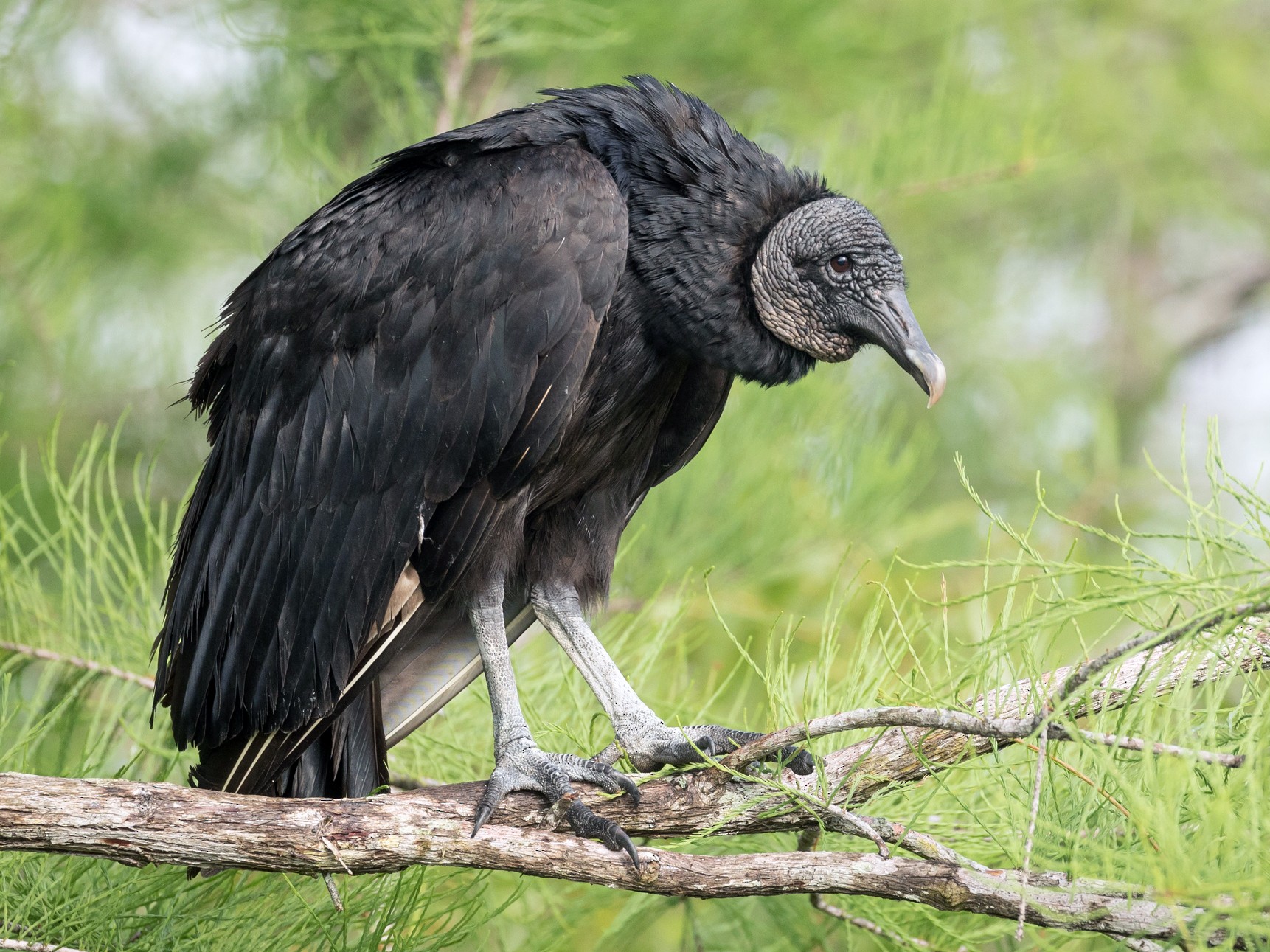
Black Vulture: Range, Food and Social Behavior
The Black Vulture is a broad-winged scavenging bird found in the southern and eastern United States and farther south through the Americas. In flight its short tail and pale patches near the wingtips help separate it from the Turkey Vulture.
The essentials
Black Vultures often search for carrion by watching other vultures and by soaring over open country. Their comparatively weak sense of smell helps explain why following other scavengers can be useful. They also gather socially at roosts and feeding sites.
What makes this subject distinctive
The name describes the bird’s appearance, not an exclusive preference for one type of prey. A compact silhouette and quick wingbeats alternating with glides are useful identification clues, especially when light conditions obscure the bird’s color.
Food sources, safe nesting places, and movement between habitats influence where birds appear. A forest bird may visit a campsite, and a grassland bird may cross a suburb, but a brief encounter cannot establish its preferred year-round habitat. Regional field guides and dated sightings give important context.
Common misconceptions and limits
Because vultures remove carrion, they contribute to nutrient recycling. Their presence around roads or farms can raise management questions, but a single sighting does not indicate an ecological problem or unusual local population trend.
Wild birds should be described as part of an ecosystem, not as pets whose behavior can be controlled. Habitat, season, and the age or sex of the animal can change the observations available to a field researcher. Good sources include regional bird atlases and field observations with dates.
Why the habitat matters
Food sources, safe nesting places, and movement between habitats influence where birds appear. A forest bird may visit a campsite, and a grassland bird may cross a suburb, but a brief encounter cannot establish its preferred year-round habitat. Regional field guides and dated sightings give important context.
Key points at a glance
The Black Vulture is a broad-winged scavenging bird found in the southern and eastern United States and farther south through the Americas.
Black Vultures often search for carrion by watching other vultures and by soaring over open country.
The name describes the bird’s appearance, not an exclusive preference for one type of prey.
Frequently asked questions
What is a useful first identification clue?
The Black Vulture is a broad-winged scavenging bird found in the southern and eastern United States and farther south through the Americas.
Does appearance or behavior vary?
Black Vultures often search for carrion by watching other vultures and by soaring over open country.
What should be checked before making a broad claim?
Because vultures remove carrion, they contribute to nutrient recycling.
Explore related guides
A Field Guide to Wild Birds: Identification, Habitats, Behavior and Conservation
