Steller’s Jay: Identification, Range and Forest Behavior
Steller’s Jay: Identification, Range and Forest Behavior Explore evidence-based facts, context and common misconceptions.
Steller’s Jay: Identification, Range and Forest Behavior
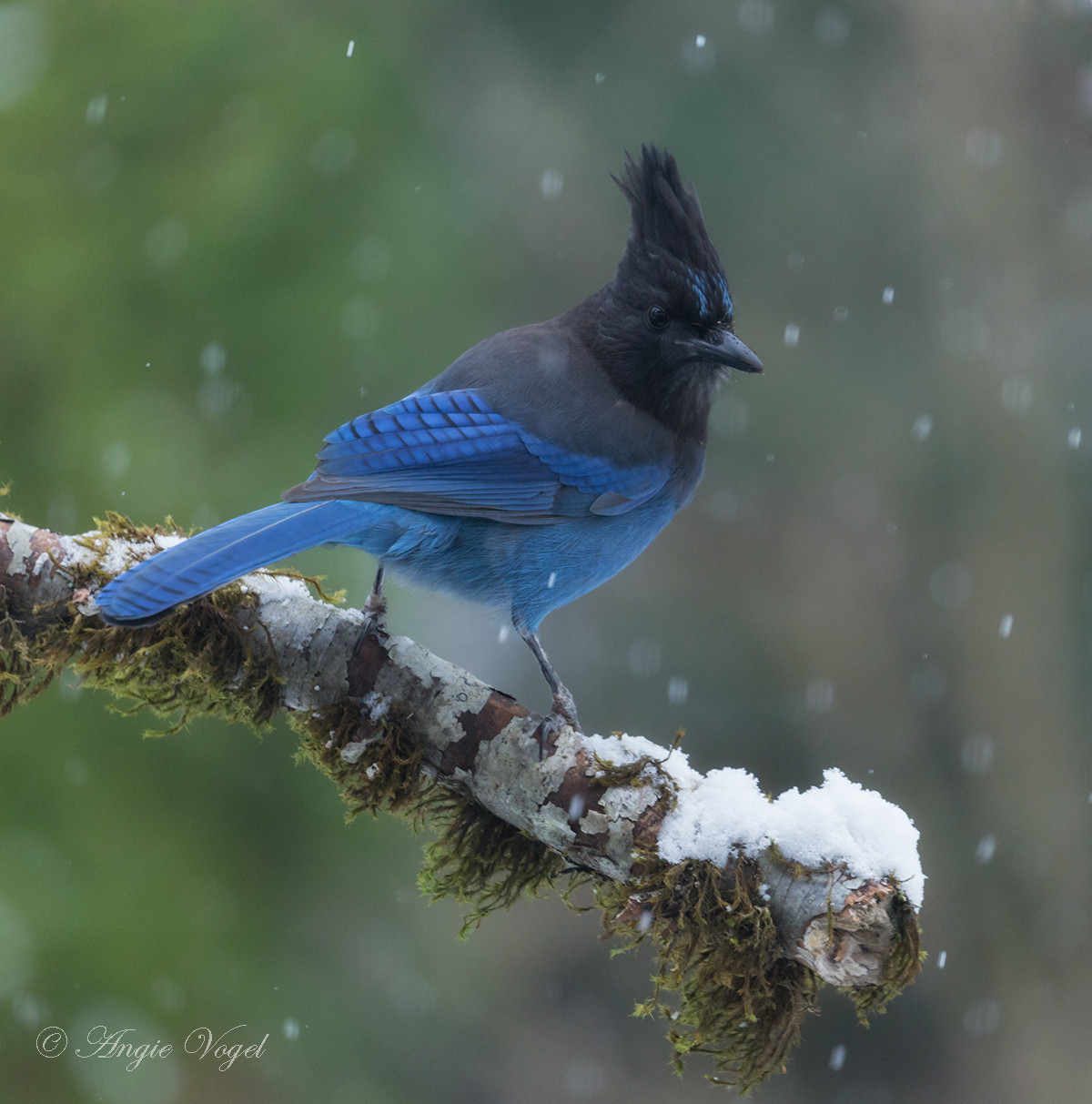
Steller’s Jay is a large, crested corvid of western North American forests. Its charcoal head and vivid blue body make it conspicuous, although plumage varies across its broad range. Its loud, harsh calls are often heard before the bird is seen.
The essentials
Like other jays, it is an opportunistic omnivore. It collects seeds, nuts, insects, and other available foods, sometimes caching food for later. Its intelligence and willingness to investigate campsites explain why people notice it around parks as well as in remote forest.
What makes this subject distinctive
A crest is an important field mark, but not a reliable guide to sex. Some interior populations show white markings on the crest, whereas coastal birds may show blue streaking. Identification works best when crest, overall shape, region, and voice are considered together.
Food sources, safe nesting places, and movement between habitats influence where birds appear. A forest bird may visit a campsite, and a grassland bird may cross a suburb, but a brief encounter cannot establish its preferred year-round habitat. Regional field guides and dated sightings give important context.
Common misconceptions and limits
Observing from a distance avoids encouraging food-conditioned behavior. Forest structure and seasonal food availability affect where the birds appear; reports of unusual behavior at a feeder should not be treated as universal traits of the species.
Wild birds should be described as part of an ecosystem, not as pets whose behavior can be controlled. Habitat, season, and the age or sex of the animal can change the observations available to a field researcher. Good sources include regional bird atlases and field observations with dates.
Where observation matters
Field marks change with lighting, molt, age, and the season. Good bird identification combines shape, behavior, voice, and geographic range rather than treating one colorful photograph as the definitive answer. It is also important to distinguish a bird seen during migration from evidence that it breeds locally.
Key points at a glance
Steller’s Jay is a large, crested corvid of western North American forests.
Like other jays, it is an opportunistic omnivore.
A crest is an important field mark, but not a reliable guide to sex.
Frequently asked questions
What is a useful first identification clue?
Steller’s Jay is a large, crested corvid of western North American forests.
Does appearance or behavior vary?
Like other jays, it is an opportunistic omnivore.
What should be checked before making a broad claim?
Observing from a distance avoids encouraging food-conditioned behavior.
Explore related guides
A Field Guide to Wild Birds: Identification, Habitats, Behavior and Conservation
