Alpaca vs Llama: Size, Wool, Temperament and Uses
Alpaca vs Llama: Size, Wool, Temperament and Uses. Discover practical facts, risks, and care considerations before you decide what to do next.
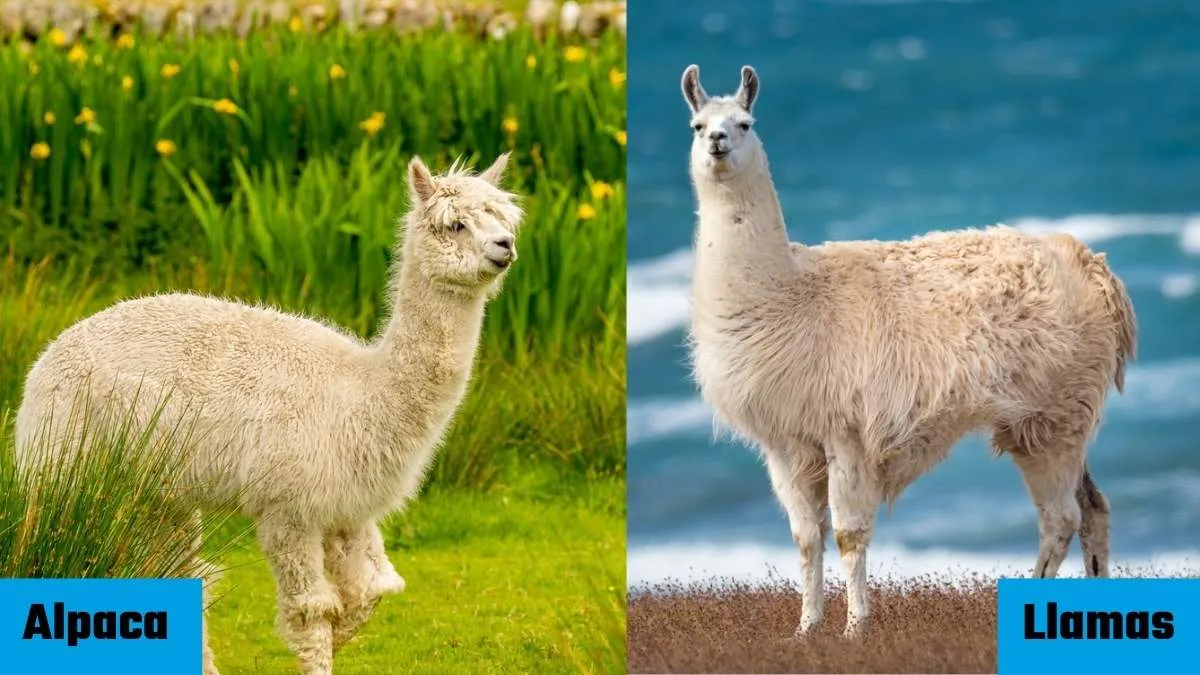
Alpaca vs Llama: Size, Wool, Temperament and Uses
Alpacas and llamas are related South American camelids, but they differ in typical body size, head and ear shape, working history, and fiber use. Llamas are generally larger and have often been used as pack animals, while alpacas were selectively raised mainly for fiber. Neither is a miniature sheep or a conventional household pet.
What the context tells you
Both are social herd animals that need compatible companions, safe fencing, adequate forage, weather protection, and appropriate veterinary support. Temperament varies, and either species may spit when distressed. Routine handling and restraint training make grooming and medical care safer.
Practical steps and everyday care
Choose based on land, social group, climate, fiber or farm goals, and access to a camelid-experienced veterinarian. Plan for shearing, nails, parasites, teeth, shelter, and long-term costs. Never acquire a solitary animal simply because it looks approachable.
Plan for an animal, not only a production outcome
Livestock welfare involves appropriate nutrition, shelter, social contact, freedom of movement, and disease prevention. Climate, breed, age, reproductive status, local regulations, and flock or herd size change the details. Maintain records of feed, water, body condition, injuries, and treatment, and work with a local veterinarian or extension educator on biosecurity. A high-performing animal can still have unmet welfare needs; performance alone is not a health assessment.
A real-world example
A small hobby farm may be attracted by the wool of an alpaca but lack a plan for annual shearing and herd companionship. A llama may require different fencing and handling considerations because of its larger size. Both need long-term social and veterinary care regardless of why they were purchased.
When professional support matters
A suitable property and management plan matter more than which animal is cuter in photographs. Local laws and livestock transport rules may apply even to animals kept mainly as companions.
A quick decision checklist
Check the animal’s growth stage, feed, space, and herd or flock conditions.
Compare anatomy, fiber, working roles and ethical care.
Record feed intake, water availability, body condition, injuries, and group behavior.
Seek qualified veterinary, extension, or species-specialist guidance before using medication or making major changes.
Frequently asked questions
Does the same feeding or space rule fit every farm?
No. Local climate, animal size, production stage, welfare needs, feed type, and facility design all matter. Use veterinary and extension guidance to adapt any starting rule to the animals actually present.
Where can owners get locally relevant guidance?
A local veterinarian and university extension service can tailor advice to climate, flock or herd size, local disease risks, and legal requirements.
Related reading
Reliable resources for further checking
Editorial status: draft. Check current professional guidance and local rules before publication; urgent symptoms require appropriate veterinary help.
