What Do Pigs Eat? Balanced Diet and Foods to Avoid
What Do Pigs Eat Balanced Diet and Foods to Avoid. Discover practical facts, risks, and care considerations before you decide what to do next.
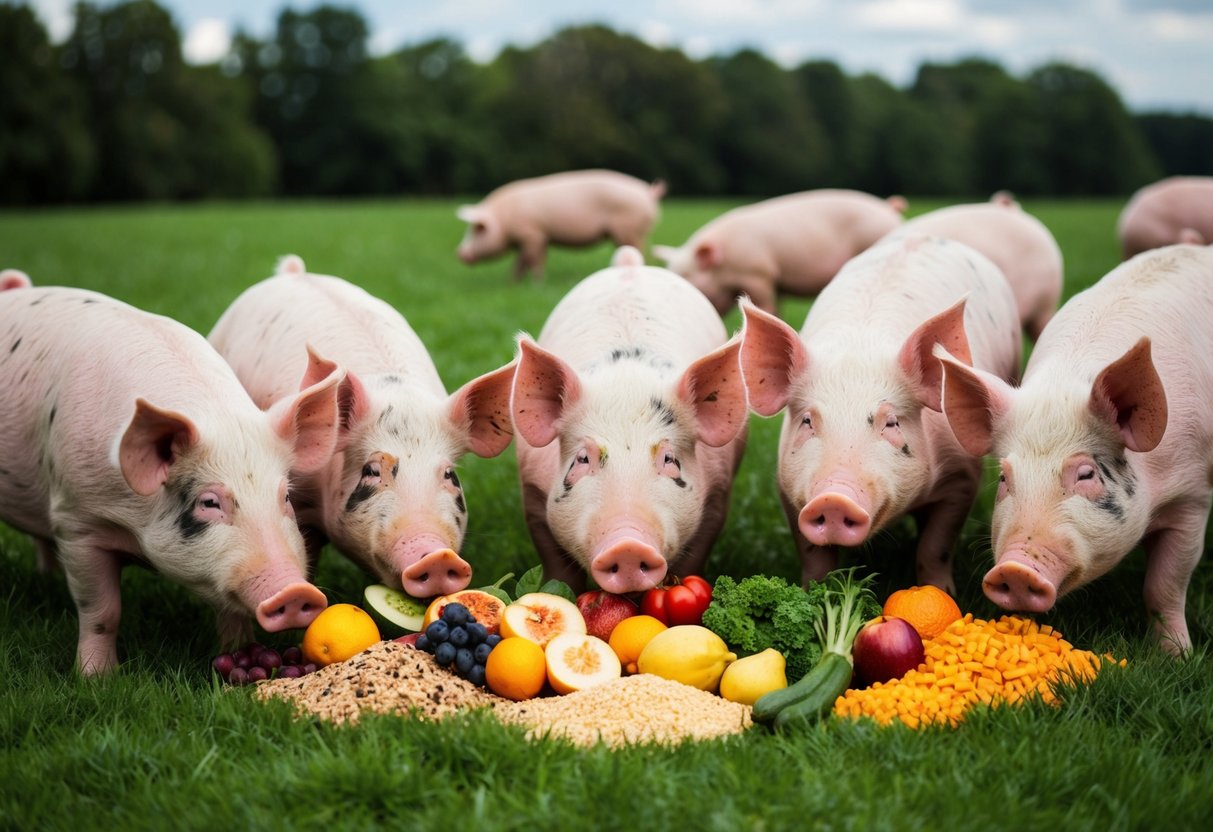
What Do Pigs Eat? Balanced Diet and Foods to Avoid
Pigs are omnivores but should not be fed as if every kitchen scrap is safe or nutritionally adequate. Balanced swine feed matched to age and reproductive status supplies nutrients that random leftovers cannot reliably provide. Forage and enrichment may supplement a professionally planned ration.
What the context tells you
Food waste can transmit disease, and laws restricting the feeding of meat-containing scraps or other garbage vary by location. Highly salted, moldy, or spoiled food is not appropriate. Rapid ration changes may upset digestion, particularly in young animals.
Practical steps and everyday care
Offer clean water at all times, measure body condition, and work with a veterinarian or extension specialist on feed quantities. Use rooting opportunities and safe chew or forage enrichment without relying on treats as the main diet.
Plan for an animal, not only a production outcome
Livestock welfare involves appropriate nutrition, shelter, social contact, freedom of movement, and disease prevention. Climate, breed, age, reproductive status, local regulations, and flock or herd size change the details. Maintain records of feed, water, body condition, injuries, and treatment, and work with a local veterinarian or extension educator on biosecurity. A high-performing animal can still have unmet welfare needs; performance alone is not a health assessment.
A real-world example
A pig that eagerly eats table scraps can still be malnourished if essential nutrients are missing. Base the ration on suitable feed and use safe forage as enrichment instead of an unlimited buffet. Check local swill-feeding rules and prevent access to moldy or animal-derived waste.
When professional support matters
A pig that stops eating, develops severe diarrhea, becomes bloated, or acts weak needs veterinary care. Owners of miniature pigs should not try to keep them abnormally small through restriction or unbalanced feeding.
A quick decision checklist
Check the animal’s growth stage, feed, space, and herd or flock conditions.
Describe balanced feed, forage, species needs and restrictions on food waste.
Record feed intake, water availability, body condition, injuries, and group behavior.
Seek qualified veterinary, extension, or species-specialist guidance before using medication or making major changes.
Frequently asked questions
Does the same feeding or space rule fit every farm?
No. Local climate, animal size, production stage, welfare needs, feed type, and facility design all matter. Use veterinary and extension guidance to adapt any starting rule to the animals actually present.
Where can owners get locally relevant guidance?
A local veterinarian and university extension service can tailor advice to climate, flock or herd size, local disease risks, and legal requirements.
Related reading
Reliable resources for further checking
Editorial status: draft. Check current professional guidance and local rules before publication; urgent symptoms require appropriate veterinary help.
