How Long Do Chickens Live? Backyard Flock Lifespan Factors
How Long Do Chickens Live Backyard Flock Lifespan Factors. Discover practical facts, risks, and care considerations before you decide what to do next.
How Long Do Chickens Live? Backyard Flock Lifespan Factors
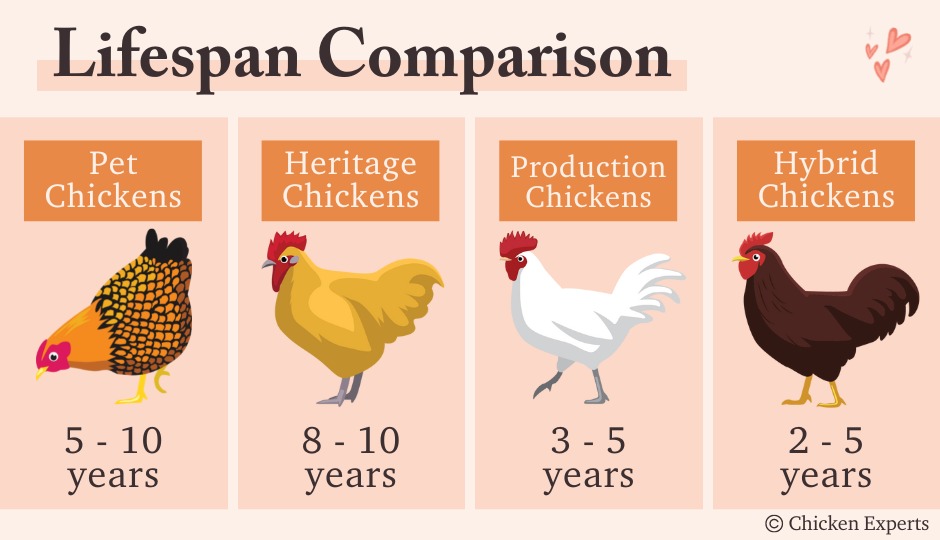
Backyard chickens may live for several years, and some live much longer, but lifespan varies with breed, individual health, environment, and protection from predators. Egg production and lifespan are not the same metric. Older hens may lay fewer eggs while still needing full daily welfare care.
What the context tells you
Parasites, infectious disease, heat, cold, overcrowding, and repeated predator stress can shorten life. A clean ventilated coop, dry litter, safe water, and species-appropriate feed are more consequential than chasing a single age claim. Biosecurity matters when adding new birds to a flock.
Practical steps and everyday care
Plan predator-proof nighttime housing and daily opportunities to forage and dust-bathe. Observe body condition, feet, comb, breathing, droppings, and social behavior. Arrange local veterinary or extension support for unusual sickness or mortality.
Plan for an animal, not only a production outcome
Livestock welfare involves appropriate nutrition, shelter, social contact, freedom of movement, and disease prevention. Climate, breed, age, reproductive status, local regulations, and flock or herd size change the details. Maintain records of feed, water, body condition, injuries, and treatment, and work with a local veterinarian or extension educator on biosecurity. A high-performing animal can still have unmet welfare needs; performance alone is not a health assessment.
A real-world example
A backyard keeper who expects hens to produce eggs indefinitely may be unprepared when older birds slow down. The birds still need feed, shelter, parasite control, and protection from predators. A lifelong welfare plan should include retired layers, not just young productive hens.
When professional support matters
Birds with severe weakness, respiratory difficulty, persistent diarrhea, or injury need veterinary advice. A humane flock plan must include older and nonlaying birds rather than valuing them solely for egg output.
A quick decision checklist
Check the animal’s growth stage, feed, space, and herd or flock conditions.
Explain breed, biosecurity, predation and veterinary care without promising a fixed lifespan.
Record feed intake, water availability, body condition, injuries, and group behavior.
Seek qualified veterinary, extension, or species-specialist guidance before using medication or making major changes.
Frequently asked questions
Does the same feeding or space rule fit every farm?
No. Local climate, animal size, production stage, welfare needs, feed type, and facility design all matter. Use veterinary and extension guidance to adapt any starting rule to the animals actually present.
Where can owners get locally relevant guidance?
A local veterinarian and university extension service can tailor advice to climate, flock or herd size, local disease risks, and legal requirements.
Related reading
Reliable resources for further checking
Editorial status: draft. Check current professional guidance and local rules before publication; urgent symptoms require appropriate veterinary help.
