How Long Do Cows Live? Lifespan by Management and Breed
How Long Do Cows Live Lifespan by Management and Breed. Discover practical facts, risks, and care considerations before you decide what to do next.
How Long Do Cows Live? Lifespan by Management and Breed
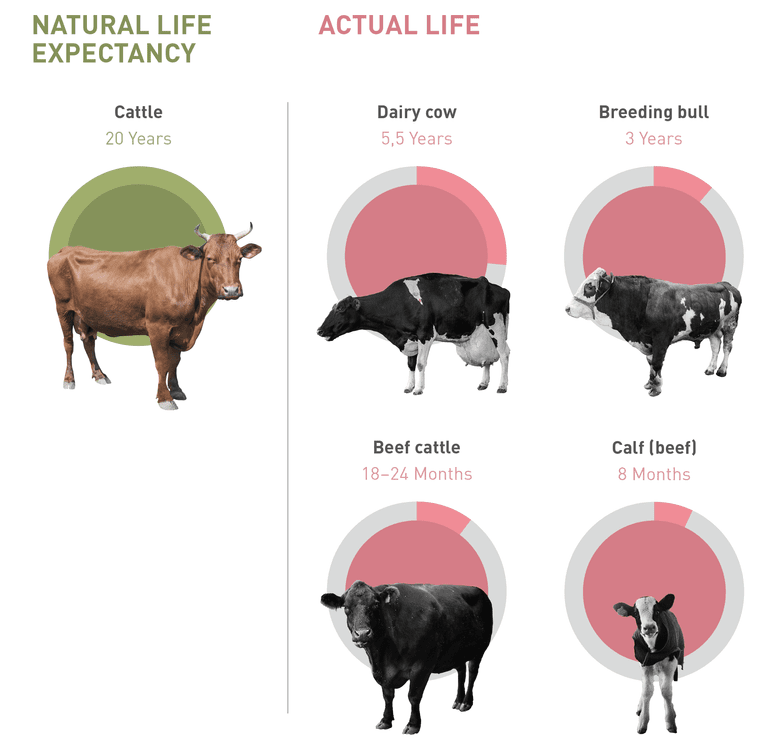
Cattle can potentially live into their teens or beyond, depending on breed, health, environment, and management. Natural lifespan estimates should be separated from the much shorter time many cattle spend in commercial production systems, where culling decisions depend on economics and animal condition.
What the context tells you
Long-term welfare includes adequate forage, clean water, hoof health, parasite management, appropriate shelter, and social contact. Reproduction, nutrition, injury, and disease influence survival. No single number captures the differences between dairy, beef, and sanctuary settings.
Practical steps and everyday care
For an owned cow, establish a herd veterinarian relationship and a plan for vaccination, housing, safe handling, hoof care, and food supply. Observe changes in chewing, rumination, gait, and appetite. Maintain accurate records rather than waiting for a crisis to reveal a problem.
Plan for an animal, not only a production outcome
Livestock welfare involves appropriate nutrition, shelter, social contact, freedom of movement, and disease prevention. Climate, breed, age, reproductive status, local regulations, and flock or herd size change the details. Maintain records of feed, water, body condition, injuries, and treatment, and work with a local veterinarian or extension educator on biosecurity. A high-performing animal can still have unmet welfare needs; performance alone is not a health assessment.
A real-world example
A dairy cow leaving a production herd at a relatively young age is not evidence that cattle biologically cannot live longer. Production decisions and natural longevity are separate subjects. When discussing lifespan, clarify whether the question concerns a particular animal, a breeding herd, or a commercial management system.
When professional support matters
A cow that cannot rise, is severely bloated, or shows breathing difficulty needs urgent veterinary attention. Do not use productivity statistics as a substitute for information about an individual animal's life expectancy.
A quick decision checklist
Check the animal’s growth stage, feed, space, and herd or flock conditions.
Differentiate natural lifespan from production-related culling without conflating them.
Record feed intake, water availability, body condition, injuries, and group behavior.
Seek qualified veterinary, extension, or species-specialist guidance before using medication or making major changes.
Frequently asked questions
Does the same feeding or space rule fit every farm?
No. Local climate, animal size, production stage, welfare needs, feed type, and facility design all matter. Use veterinary and extension guidance to adapt any starting rule to the animals actually present.
Where can owners get locally relevant guidance?
A local veterinarian and university extension service can tailor advice to climate, flock or herd size, local disease risks, and legal requirements.
Related reading
Reliable resources for further checking
Editorial status: draft. Check current professional guidance and local rules before publication; urgent symptoms require appropriate veterinary help.
