What Do Cows Eat? Forage, Rumen Health and Nutrition
What Do Cows Eat Forage, Rumen Health and Nutrition. Discover practical facts, risks, and care considerations before you decide what to do next.
What Do Cows Eat? Forage, Rumen Health and Nutrition
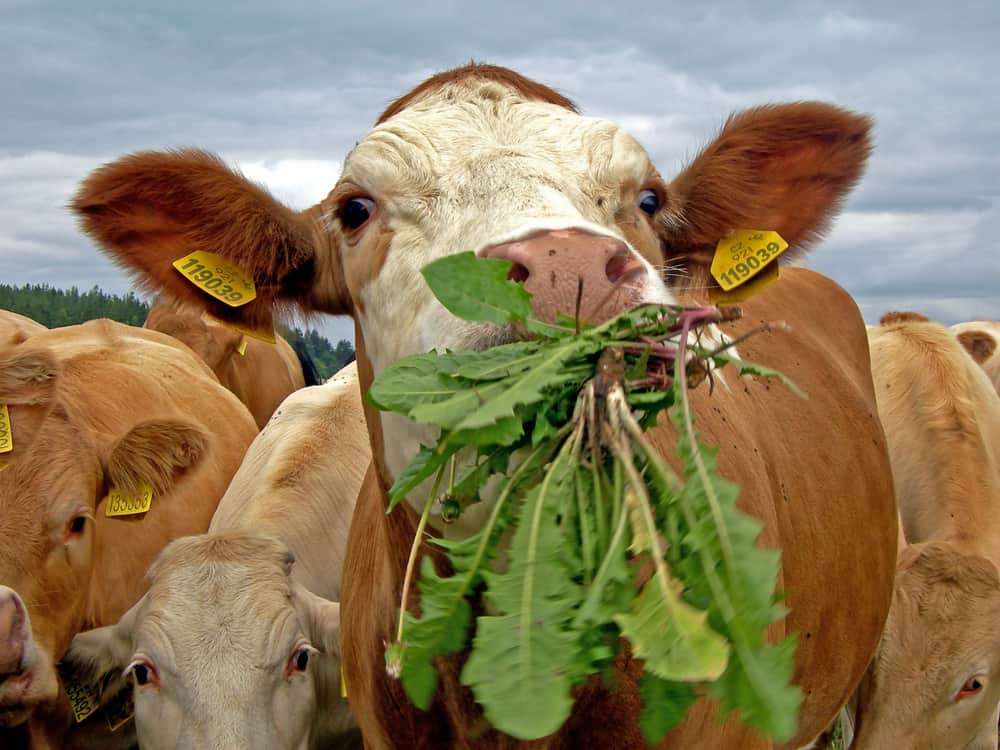
Cattle are ruminants adapted to process fibrous feeds through microbial fermentation in the rumen. Grass, hay, and appropriately managed pasture are central to many feeding systems, but exact rations vary with growth stage, pregnancy, lactation, body condition, and available forage quality.
What the context tells you
Sudden changes in concentrated feed can disturb the rumen and cause serious digestive disease. Cattle also need adequate clean water and mineral balance for local conditions; a generic mineral block may not suit every herd. Silage and stored feeds must be managed to limit spoilage.
Practical steps and everyday care
Have forage evaluated when possible and work with livestock nutrition and veterinary professionals before major ration changes. Provide space at feeders so subordinate animals can eat and monitor cud chewing, manure consistency, and body condition.
Plan for an animal, not only a production outcome
Livestock welfare involves appropriate nutrition, shelter, social contact, freedom of movement, and disease prevention. Climate, breed, age, reproductive status, local regulations, and flock or herd size change the details. Maintain records of feed, water, body condition, injuries, and treatment, and work with a local veterinarian or extension educator on biosecurity. A high-performing animal can still have unmet welfare needs; performance alone is not a health assessment.
A real-world example
A herd moved abruptly from rough hay to a high-grain ration may develop serious digestive problems even if the animals initially seem enthusiastic. Gradual, professionally planned transitions protect rumen function. Forage testing and observation of rumination are more useful than judging diet solely by whether the feed bunk is empty.
When professional support matters
Reduced appetite, abdominal distension, weakness, or failure to ruminate can indicate serious illness. Do not correct an unfamiliar feeding problem by abruptly adding large amounts of grain.
A quick decision checklist
Check the animal’s growth stage, feed, space, and herd or flock conditions.
Explain fiber, rumination, pasture and dietary changes requiring professional management.
Record feed intake, water availability, body condition, injuries, and group behavior.
Seek qualified veterinary, extension, or species-specialist guidance before using medication or making major changes.
Frequently asked questions
Does the same feeding or space rule fit every farm?
No. Local climate, animal size, production stage, welfare needs, feed type, and facility design all matter. Use veterinary and extension guidance to adapt any starting rule to the animals actually present.
Where can owners get locally relevant guidance?
A local veterinarian and university extension service can tailor advice to climate, flock or herd size, local disease risks, and legal requirements.
Related reading
Reliable resources for further checking
Editorial status: draft. Check current professional guidance and local rules before publication; urgent symptoms require appropriate veterinary help.
