Are Cats Nocturnal? Understanding Crepuscular Activity
Are Cats Nocturnal Understanding Crepuscular Activity. Discover practical facts, risks, and care considerations before you decide what to do next.
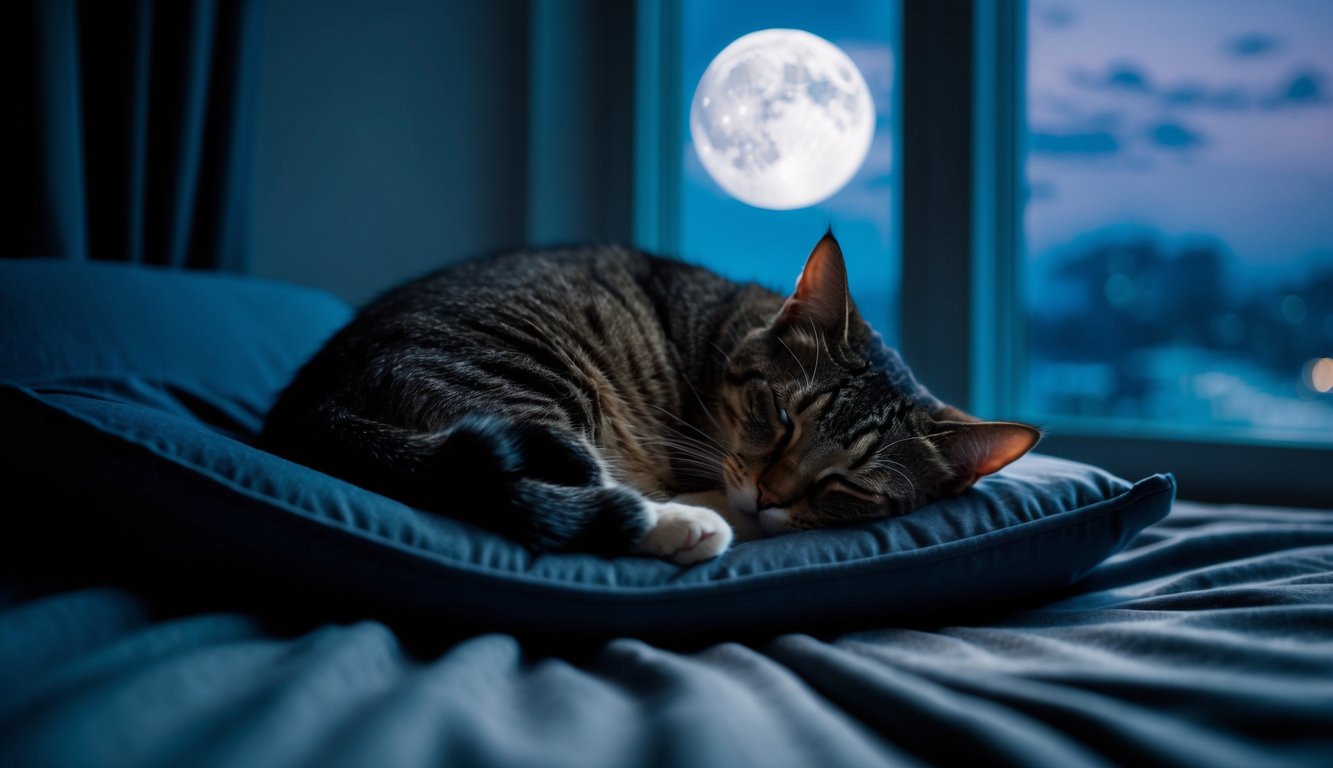
Are Cats Nocturnal? Understanding Crepuscular Activity
Domestic cats are often described as crepuscular, meaning many become especially active near dawn and dusk. They are flexible, however, and can adjust parts of their routine to household feeding, light, play, and sleep patterns. A cat active at 3 a.m. is not necessarily behaving abnormally.
What the context tells you
Hunting-related instincts can create short bursts of chasing or vocalizing when the home is quiet. Kittens often have more erratic activity than older cats, while senior cats may wake for medical or cognitive reasons. Sudden nighttime yowling should not automatically be blamed on personality.
Practical steps and everyday care
Schedule interactive play and a meal before bedtime, provide daytime enrichment, and avoid rewarding unwanted nighttime wake-ups with elaborate attention. Offer climbing shelves and puzzle feeders where appropriate. Keep the sleeping environment consistent and allow quiet retreat spots.
Pay attention to context and baseline behavior
Cats communicate through combinations of ear position, eyes, tail movement, posture, vocalization, and distance from people or other animals. A normally relaxed cat reacting differently may be responding to environmental changes or discomfort. Track when the change began, access to food and litter, medications, and any new plants or products. Quiet hiding does not necessarily mean a cat is comfortable; changes in eating, grooming, elimination, or activity are important.
A real-world example
A kitten that runs laps at dawn may benefit from an evening play-and-feed routine, whereas a senior cat yowling at night for the first time could have pain or another medical issue. The clock time alone does not determine the cause. Improve enrichment, but investigate new or intense nighttime distress rather than assuming the cat is simply nocturnal.
When to get veterinary advice
A new pattern of nighttime distress, increased thirst, confusion, or vocalization warrants a veterinary check, especially in a senior cat. Routines help, but changes caused by pain or illness need treatment rather than training alone.
A quick decision checklist
Check whether this differs from the cat’s usual behavior, eating, and litter routine.
Explain twilight activity and practical day-night routines.
Note body language, appetite, litter habits, and changes in the home.
Seek qualified veterinary, extension, or species-specialist guidance before using medication or making major changes.
Frequently asked questions
What if the behavior or symptom starts suddenly?
A sudden departure from the cat's normal pattern deserves closer attention. If appetite, breathing, elimination, mobility, or alertness is affected, contact a veterinarian promptly. Never use human medications or essential oils as a substitute for a diagnosis.
How do I know this advice fits my cat?
Compare the change with your cat’s normal eating, activity, litter, grooming, and body language. A sudden or persistent departure from baseline deserves professional advice.
Related reading
Reliable resources for further checking
Editorial status: draft. Check current professional guidance and local rules before publication; urgent symptoms require appropriate veterinary help.
