Why Does My Cat Lick Me? Affection, Grooming and Stress
Why Does My Cat Lick Me Affection, Grooming and Stress. Discover practical facts, risks, and care considerations before you decide what to do next.
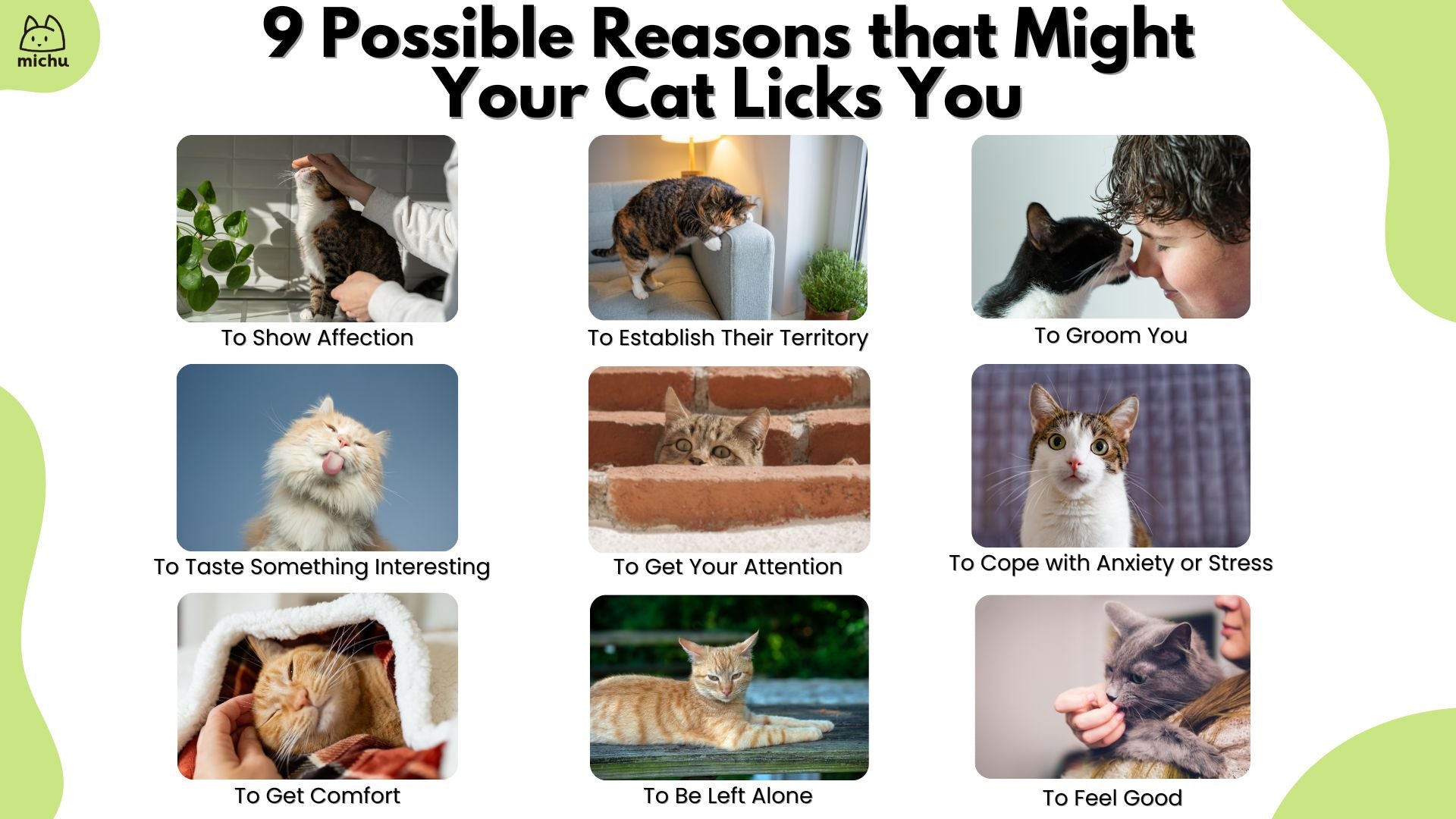
Why Does My Cat Lick Me? Affection, Grooming and Stress
A cat licking a person may be engaging in social grooming, exploring a scent or taste, seeking attention, or following a learned routine. The meaning is not universal. Tail position, ears, body tension, and what happened immediately before the licking provide better clues than any single interpretation.
What the context tells you
Gentle, brief licking alongside relaxed posture can be consistent with affiliative contact. Repetitive licking with agitation or sudden behavioral changes may instead reflect stress, discomfort, or a medical issue. Avoid encouraging licking of lotions, essential oils, medications, or food residues that may be unsafe to ingest.
Practical steps and everyday care
If the behavior is welcome, respond calmly and allow the cat to stop at will. If it is uncomfortable, redirect to a toy, grooming brush, or treat puzzle instead of pushing or punishing the cat. Provide predictable interaction and opportunities for the cat to choose distance.
Pay attention to context and baseline behavior
Cats communicate through combinations of ear position, eyes, tail movement, posture, vocalization, and distance from people or other animals. A normally relaxed cat reacting differently may be responding to environmental changes or discomfort. Track when the change began, access to food and litter, medications, and any new plants or products. Quiet hiding does not necessarily mean a cat is comfortable; changes in eating, grooming, elimination, or activity are important.
A real-world example
If a cat gently licks a person's sleeve after settling in a lap, watch for relaxed ears, soft eyes, and easy movement away. If it suddenly licks obsessively while pacing or drooling, the surrounding signs change the interpretation. Redirect unwanted licking gently rather than turning it into a physical struggle or forcing more contact.
When to get veterinary advice
Ask a veterinarian about abrupt compulsive behavior, drooling, poor appetite, or skin and mouth symptoms. The useful question is not whether all cats lick out of love, but whether this cat is relaxed and healthy while doing it.
A quick decision checklist
Check whether this differs from the cat’s usual behavior, eating, and litter routine.
Interpret licking in context with other signals, not one-size-fits-all anthropomorphism.
Note body language, appetite, litter habits, and changes in the home.
Seek qualified veterinary, extension, or species-specialist guidance before using medication or making major changes.
Frequently asked questions
What if the behavior or symptom starts suddenly?
A sudden departure from the cat's normal pattern deserves closer attention. If appetite, breathing, elimination, mobility, or alertness is affected, contact a veterinarian promptly. Never use human medications or essential oils as a substitute for a diagnosis.
How do I know this advice fits my cat?
Compare the change with your cat’s normal eating, activity, litter, grooming, and body language. A sudden or persistent departure from baseline deserves professional advice.
Related reading
Reliable resources for further checking
Editorial status: draft. Check current professional guidance and local rules before publication; urgent symptoms require appropriate veterinary help.
