Why Does My Cat Stare at Me? Body Language Explained
Why Does My Cat Stare at Me Body Language Explained. Discover practical facts, risks, and care considerations before you decide what to do next.
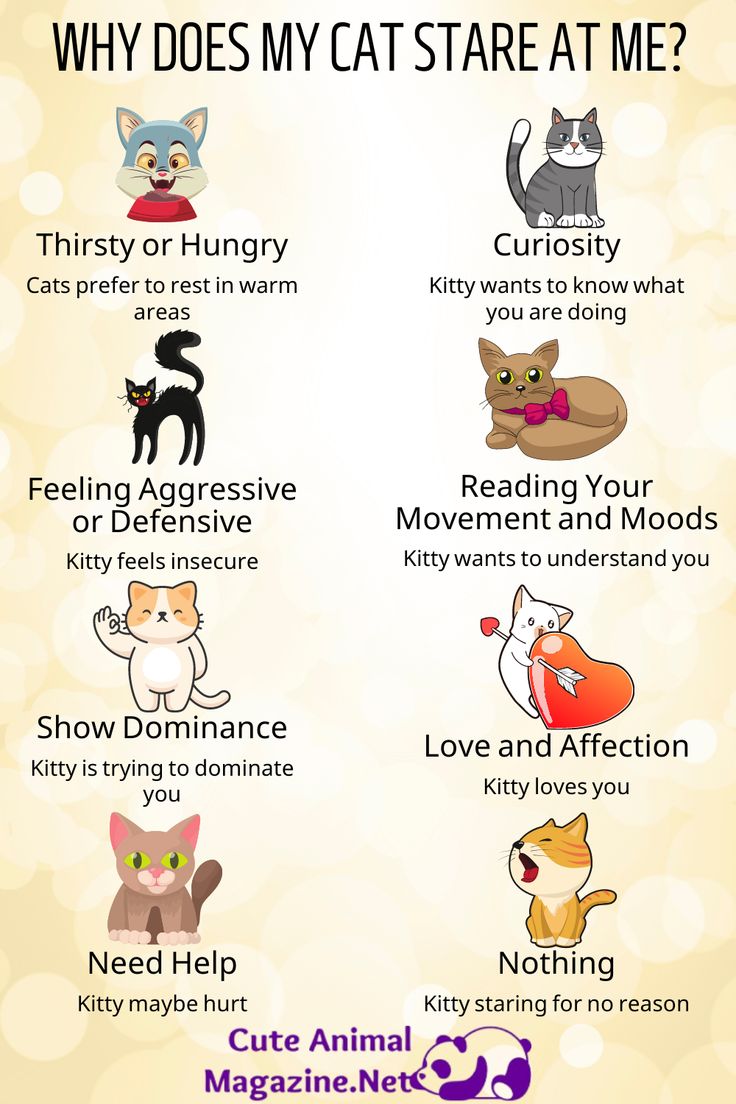
Why Does My Cat Stare at Me? Body Language Explained
Cats stare for multiple reasons, including anticipation of food, interest in movement, social attention, or watchfulness. A soft gaze, relaxed face, and slow blink suggest a different state from wide pupils, pinned ears, and a tense crouch. Human-style eye-contact rules do not transfer neatly to cats.
What the context tells you
A cat focused on a bird outside may appear intensely still as part of predatory attention. A cat monitoring a person near the food cupboard may have learned a predictable routine. Changes in vision or neurologic behavior can occasionally affect gaze patterns, so context matters.
Practical steps and everyday care
Respond to relaxed social staring with a slow blink and allow the cat to approach. Use play sessions and feeding routines instead of treating every stare as a demand. Avoid leaning over a fearful cat or forcing direct eye contact.
Pay attention to context and baseline behavior
Cats communicate through combinations of ear position, eyes, tail movement, posture, vocalization, and distance from people or other animals. A normally relaxed cat reacting differently may be responding to environmental changes or discomfort. Track when the change began, access to food and litter, medications, and any new plants or products. Quiet hiding does not necessarily mean a cat is comfortable; changes in eating, grooming, elimination, or activity are important.
A real-world example
A cat slowly blinking from a sunny perch and a cat crouched with wide pupils and ears back are both looking toward a person, but the body language tells different stories. Offer room to retreat and avoid looming over an anxious cat. If an older cat seems disoriented and fixes its gaze on corners, medical evaluation may be appropriate.
When to get veterinary advice
Veterinary advice is appropriate for a sudden persistent fixed gaze, disorientation, abnormal pupils, weakness, or other unusual neurologic signs. Most ordinary staring is better understood by looking at the whole body and situation.
A quick decision checklist
Check whether this differs from the cat’s usual behavior, eating, and litter routine.
Explain relaxed gaze, blinking, predatory attention and stress signals.
Note body language, appetite, litter habits, and changes in the home.
Seek qualified veterinary, extension, or species-specialist guidance before using medication or making major changes.
Frequently asked questions
What if the behavior or symptom starts suddenly?
A sudden departure from the cat's normal pattern deserves closer attention. If appetite, breathing, elimination, mobility, or alertness is affected, contact a veterinarian promptly. Never use human medications or essential oils as a substitute for a diagnosis.
How do I know this advice fits my cat?
Compare the change with your cat’s normal eating, activity, litter, grooming, and body language. A sudden or persistent departure from baseline deserves professional advice.
Related reading
Reliable resources for further checking
Editorial status: draft. Check current professional guidance and local rules before publication; urgent symptoms require appropriate veterinary help.
