Cat Tail Meanings: Reading Your Cat's Body Language
Cat Tail Meanings: Reading Your Cat's Body Language. Discover practical facts, risks, and care considerations before you decide what to do next.
Cat Tail Meanings: Reading Your Cat's Body Language
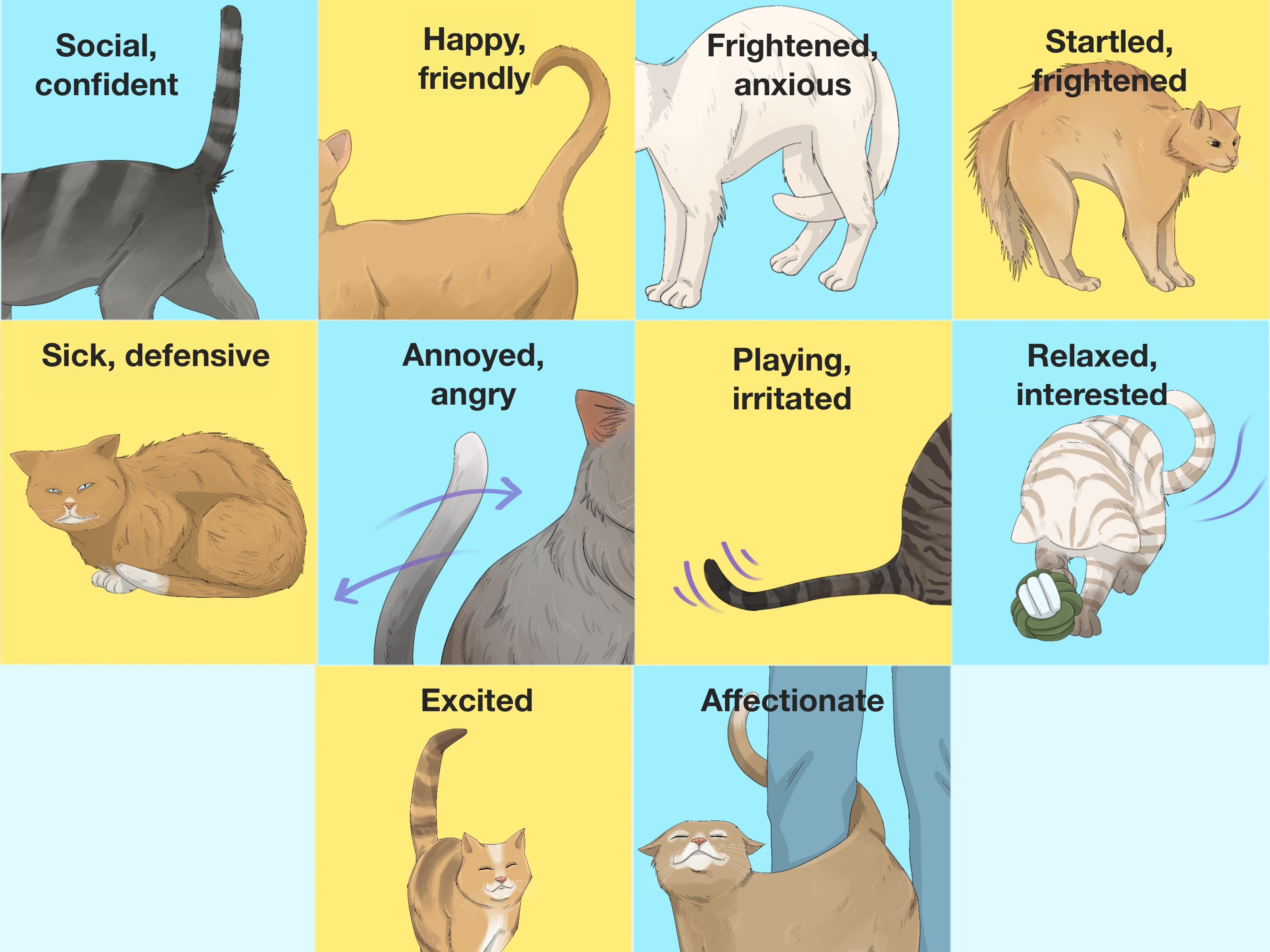
A cat's tail communicates arousal and intention, but it is not a stand-alone mood meter. A high upright tail often occurs during friendly greetings; a puffed tail suggests high arousal or fear; rapid lashing can signal agitation. Meaning changes with ears, whiskers, posture, and the environment.
What the context tells you
A low or tucked tail can signal insecurity, but some cats naturally carry their tails differently because of breed or anatomy. A slowly moving tail tip may appear during focused hunting, not necessarily irritation. Never treat a wagging cat tail as the same invitation to pet as a wagging dog tail.
Practical steps and everyday care
When a cat's tail lashes during petting, pause and let the cat choose whether to continue. Provide hiding places, vertical routes, and predictable handling. Record the situation and other signals if a new behavior emerges suddenly.
Pay attention to context and baseline behavior
Cats communicate through combinations of ear position, eyes, tail movement, posture, vocalization, and distance from people or other animals. A normally relaxed cat reacting differently may be responding to environmental changes or discomfort. Track when the change began, access to food and litter, medications, and any new plants or products. Quiet hiding does not necessarily mean a cat is comfortable; changes in eating, grooming, elimination, or activity are important.
A real-world example
A tail held high at the door often accompanies a friendly greeting; rapid twitching while the cat is restrained may suggest the animal has had enough. Do not isolate the tail from ear position and posture. The same cat may carry its tail differently while stalking a toy than when being touched, so note the activity and the full picture.
When to get veterinary advice
Injuries or neurologic problems can change tail carriage. A painful, limp, or immobile tail after trauma needs prompt veterinary attention; interpreting it as an emotion could delay necessary care.
A quick decision checklist
Check whether this differs from the cat’s usual behavior, eating, and litter routine.
Show tail height, flicking, puffing and how ears and posture change meaning.
Note body language, appetite, litter habits, and changes in the home.
Seek qualified veterinary, extension, or species-specialist guidance before using medication or making major changes.
Frequently asked questions
What if the behavior or symptom starts suddenly?
A sudden departure from the cat's normal pattern deserves closer attention. If appetite, breathing, elimination, mobility, or alertness is affected, contact a veterinarian promptly. Never use human medications or essential oils as a substitute for a diagnosis.
How do I know this advice fits my cat?
Compare the change with your cat’s normal eating, activity, litter, grooming, and body language. A sudden or persistent departure from baseline deserves professional advice.
Related reading
Reliable resources for further checking
Editorial status: draft. Check current professional guidance and local rules before publication; urgent symptoms require appropriate veterinary help.
