Cat Feeding Schedule: Planning Meals Without Overfeeding
Create a practical cat feeding routine using measured portions, consistent times and veterinary guidance for age and health.
Cat Feeding Schedule: Planning Meals Without Overfeeding
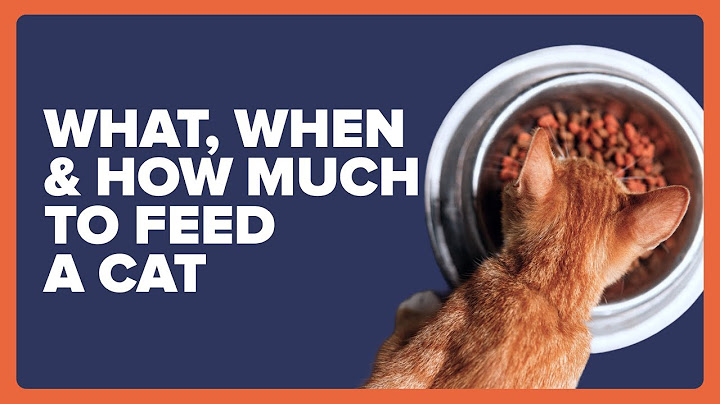
A cat feeding schedule is a repeatable plan for when food is offered and how the day's allowance is divided. There is no single timetable that suits every kitten, adult and senior. Age, health, body condition, food type and household routine all matter. An automatic feeder can execute a schedule once you have chosen it, but it cannot prescribe the right number of calories or tell whether a cat is eating enough.
What determines feeding frequency
Begin with the total amount your cat should eat, not an attractive set of clock times. Cornell's feline health guidance explains that feeding frequency depends on age, health and the cat's preferences. Some cats comfortably eat one or two adult meals while others do better with several smaller opportunities. A consistent rhythm may reduce frantic anticipation of food, but meal timing is not a treatment for anxiety or illness. Consider whether the cat is a steady grazer, whether other pets take food and whether you can check the bowl after meals. The right schedule is one you can consistently supervise and adjust.
Age, health and household schedule
Young kittens have different requirements from adults; Cornell notes that kittens under roughly six months commonly do best with three meals daily, with a change toward twice daily as they mature. Adult and older cats often manage one or two meals, subject to individual veterinary advice. Cats with diabetes, kidney disease or other conditions may need special food and carefully coordinated timing. Do not copy an online 'six-meal plan' into a medically managed cat's routine without checking. Work shifts and sleep patterns matter too, but a convenient schedule should never override the pet's health requirements.
Decide a daily allowance with veterinarian guidance
Use your veterinarian's assessment and your food's calorie density to estimate the daily amount, then keep treats inside that allowance. A bag's feeding chart is a starting point rather than a personal prescription; it may overestimate needs for an inactive indoor cat. If you mix wet and dry food, count calories from both rather than giving a full daily allowance of each. A kitchen scale is usually more repeatable than a loosely filled cup for dry food. Track weight and body condition over time, and adjust the plan with professional input if weight drifts or appetite changes noticeably.
Split meals across a timed feeder
Imagine a healthy adult cat with an approved daily food allowance split into three meals: morning, late afternoon and before bedtime. That is an example of spacing, not a universally recommended portion or clock schedule. If using a timed feeder, weigh several actual dispenses, because one machine 'portion' may change with kibble shape. Do not program more dry-food servings than the daily allowance just because the machine supports extra feedings. Allow enough time for an initial manual check each day, and consider puzzle feeders for part of the kibble as enrichment rather than giving an additional snack.
Monitor actual consumption and weight
After choosing a routine, compare what the cat actually eats with what the feeder releases. A bowl containing yesterday's meal is not evidence that the cat received adequate calories. In multi-cat homes, observe whether one animal takes the other's food or blocks access. Weigh your cat at consistent intervals on a suitable scale and notice changes in stool, thirst, energy and appetite. Record unusually missed meals. If the feeder runs while the household is asleep, confirm the floor remains clean and kibble is not spilling into a corner. Use objective observations instead of trusting the app's 'meal served' icon alone.
When to consult a vet or use a different routine
A cat that suddenly eats less, refuses food or seems lethargic deserves attention; prolonged failure to eat can become serious in cats. Contact a veterinarian promptly, particularly if the cat has a chronic illness or appears unwell. Do not use automatic scheduling to mask vomiting, swallowing difficulty or pain. A cat that overeats from an unrestricted bowl may need controlled portions; a cat stressed by other pets may need separate access. Reconsider the whole setup when a routine produces conflict or unexplained weight change. Your schedule should serve the cat, not force the cat to fit a device.
Frequently asked questions
How many times a day should an adult cat eat?
Many adult cats do well on one or two meals, while others benefit from smaller divided meals. Ask a veterinarian about individual needs.
Can an automatic feeder feed a kitten?
Only if the device, diet and meal frequency suit the kitten; young kittens generally need more frequent feeding than adults.
Should I leave dry food out all day?
Free feeding suits some cats but may lead to overeating in others and is difficult to monitor in multi-cat homes.
How do I measure automatic feeder portions?
Weigh repeated test dispenses using the actual kibble and compare the total with the approved daily allowance.
Related guides
Read: Automatic Cat Feeders: A Practical Buying and Setup Guide