Cat Slow Feeder: Choosing a Bowl for Fast Eaters
Compare cat slow feeder bowls and explore safe strategies for eating pace, comfort, cleaning and when veterinary care matters.
Cat Slow Feeder: Choosing a Bowl for Fast Eaters
A cat slow feeder bowl changes how quickly a cat can reach food by adding ridges, grooves or shallow pockets. It may be useful for a cat that gulps kibble, but speed alone does not explain every episode of vomiting or regurgitation. Choose a bowl that your cat can use comfortably, observe whether it actually slows meals and contact a veterinarian about persistent digestive symptoms.
What a slow feeder bowl changes
Slow-feed bowls create obstacles around food so the cat must take smaller mouthfuls. A simple shallow pattern may work for an eager eater; a maze with deep grooves can be uncomfortable for a cat with a short muzzle, sore mouth or sensitive whiskers. The purpose is to pace access, not to frustrate the animal. Watch whether the cat eats calmly or simply drags pieces onto the floor. A bowl that turns meals into an exhausting struggle is not an improvement, even if the meal takes longer. Consider meal size, cat age and dental comfort before choosing a design.
Shape, depth and material choices
Measure the bowl's usable diameter, depth and height. Broad shallow patterns may give cats more whisker clearance than narrow deep channels. Stable non-slip bases can reduce spills, while a removable insert can make cleaning easier if it fits securely. Materials should be food-safe, intact and simple to scrub; intricate ridges that trap residue are a disadvantage. A very small bowl may crowd the cat, even if it has an impressive advertised number of obstacles. When shopping online, look for clear photos of the actual food-contact area and a realistic return policy if your cat refuses it.
Food compatibility and hygiene
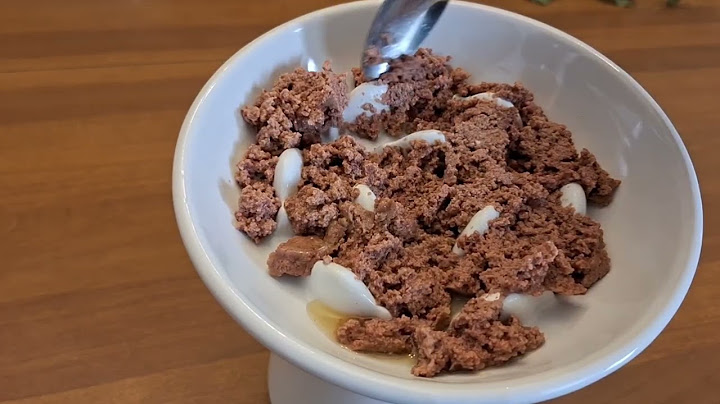
Most slow-feed bowls are designed with dry kibble in mind, but certain shallow patterns can also hold wet food. Check the manufacturer's food compatibility and wash instructions. A tall maze can retain wet food along corners and be difficult to clean thoroughly. Use a measured portion, spread it evenly and remove leftovers promptly. Do not put wet food into a mechanical dispenser that is approved only for dry kibble. Wash bowls after use and dry textured surfaces to prevent residue buildup. If kibble regularly falls behind the bowl or under furniture, choose a simpler pattern or add an easily cleaned mat.
When smaller meals may help
Some fast eaters respond to smaller, more frequent meals instead of—or alongside—a textured bowl. Divide the approved daily amount rather than giving extra food. A programmable dry-food feeder may help spread meals over time, but the machine's portion accuracy still needs testing. If you change feeding frequency, monitor appetite and body condition. Avoid sudden large dietary changes just to fix meal speed. For an anxious cat, a peaceful private feeding area may matter more than any new bowl. Keep cats apart if food competition triggers frantic eating.
Signs of illness versus eating too quickly
Occasional rapid eating does not establish why a cat vomits. Repeated vomiting, weight loss, difficulty swallowing, coughing while eating, loss of appetite or unusual behavior needs veterinary advice. A slow feeder should never be used to postpone an exam for these signs. If a cat stops eating because a bowl is frustrating, return to a familiar dish and seek help rather than persisting. Note the timing and appearance of episodes and whether they happen with wet or dry food; a veterinarian can use that history to decide what to investigate. Do not assume every post-meal episode is harmless regurgitation.
Slow bowl versus puzzle feeder
A slow bowl and a puzzle feeder overlap but have different goals. Slow bowls usually keep food visible in a single dish while making access harder. Puzzle feeders introduce a search or manipulation task and may offer more behavioral enrichment. For a nervous or senior cat, a simple slow bowl might be less demanding; for a curious cat that enjoys play, a low-difficulty puzzle may be rewarding. Neither is a treatment for an illness. Choose based on your cat's response, cleanability and the feeding problem you are actually trying to solve.
Frequently asked questions
Do slow feeder bowls prevent vomiting?
Not reliably. They may alter eating speed, but recurrent vomiting or difficulty swallowing needs veterinary assessment.
Are slow bowls safe for wet cat food?
Some are, if designed for it and cleaned promptly. Check the product instructions.
Can I use a slow feeder for a kitten?
Only with a suitably sized, easy-to-use design and close supervision.
What is the difference between a slow feeder and a puzzle?
A slow bowl creates obstacles around a meal; a puzzle usually adds a foraging or manipulation task.
Related guides
Read: Automatic Cat Feeders: A Practical Buying and Setup Guide
Read: Cat Puzzle Feeders: Choosing Safe Food Enrichment
Read: Cat Feeding Schedule: Planning Meals Without Overfeeding