Cat Puzzle Feeders: Choosing Safe Food Enrichment
Compare cat puzzle feeders by difficulty, cleaning and enrichment benefits, with tips for introducing puzzle feeding gradually.
Cat Puzzle Feeders: Choosing Safe Food Enrichment
A cat puzzle feeder turns part of a meal into an activity. Instead of receiving all the food in a bowl, the cat nudges, paws or searches for individual pieces. The point is enrichment and more natural foraging, not simply making a cat eat slowly. Start with an easy design and keep the cat's normal daily allowance in view so the puzzle adds activity without adding extra calories.
How puzzle feeders encourage foraging
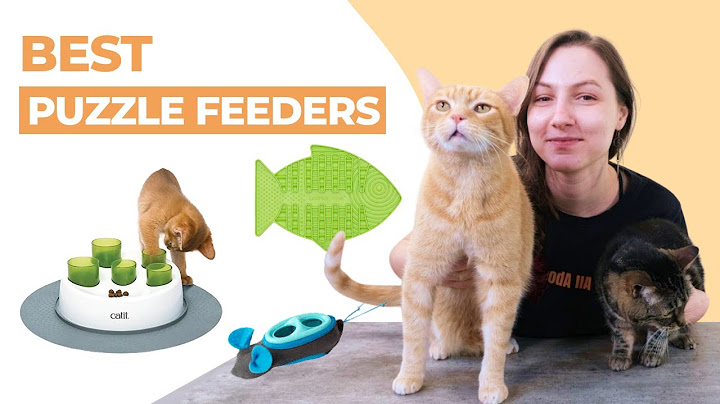
Cats evolved to spend time searching for food, and food puzzles provide an indoor way to practice some of those behaviors. A stationary tray might hide kibble in wells; a mobile ball may dispense pieces after the cat rolls it. These devices can add choice and mental stimulation to a predictable indoor routine. They are not proof that every cat will enjoy the same game, and they do not replace play, social contact or veterinary care. Introduce food puzzles as an optional part of feeding, not as a test the cat must pass to earn dinner. Observe interest and stop when the cat becomes frustrated.
Puzzle feeder styles and materials
Stationary puzzles range from simple open compartments to sliders, cups and removable obstacles. Rolling toys and treat balls add movement but can scatter food across floors or disappear under furniture. Look for stable pieces without sharp edges or small detachable parts. The right choice depends on whether your cat bats with its paws, pushes with its nose, has limited mobility or eats wet food. Dry kibble works with many rolling models; wet food often requires a stationary, easy-wash surface explicitly suitable for moist food. Start with an easy-to-clean material rather than the most complicated mechanism you can find.
Start simple and increase difficulty
On the first day, leave food visible in open compartments so the cat receives a quick reward for investigating. Let the cat work independently for a short period, then offer the remaining meal normally if needed. Increase difficulty by covering one piece or changing position only after the easier version is mastered. Avoid shaking the puzzle near a fearful cat or pushing its paw into an opening. If your cat walks away, try a simpler dish, a familiar food or a shorter session. Progress is not measured by solving every compartment. The goal is a relaxed, repeatable feeding activity, not a competition.
Portion control and treats as part of daily allowance
Use food from the cat's regular daily ration rather than unlimited bonus treats. If treats are included, count them in the day's calories and ask your veterinarian about suitable limits. A puzzle can slow access to kibble but may not accurately measure how much the cat ate if several pets share it. In multi-cat homes, separate puzzle sessions or stations can prevent food theft. When you use a timed feeder for the rest of the meals, subtract puzzle food from the programmed total. Enrichment works better when it complements a feeding plan instead of quietly doubling portions.
Safety for kittens, seniors and anxious cats
A kitten may chew or swallow pieces that are safe for an adult; choose appropriately sized, sturdy products and supervise introduction. Senior cats with pain or limited vision may prefer low-effort trays over rolling toys. A food-anxious cat should not be forced to solve a difficult puzzle before getting essential calories. If the cat is on a medical diet, use only the prescribed food and confirm the design is easy to sanitize. Inspect for cracks, damaged plastic and trapped food after each session. If a puzzle causes guarding or intimidation among pets, separate feeding spaces and reconsider the difficulty.
Cleaning and rotation
Wash food-contact surfaces after use, especially if moist food is involved, and let components dry completely. Rotate two or three simple activities instead of keeping every difficult puzzle available all the time. You can also scatter measured pieces of kibble in a safe room or use supervised, clean DIY challenges with no sharp edges or ingestion risks. Keep puzzles away from electrical cords and heavy furniture where treats might become trapped. Track which activities your cat approaches willingly. A modest rotation that stays interesting and hygienic is better than a complicated collection the cat ignores.
Frequently asked questions
Are puzzle feeders good for indoor cats?
They can provide foraging opportunities and enrichment when introduced gradually and matched to the cat’s abilities.
Will a puzzle feeder help my cat lose weight?
It may change eating behavior, but weight management depends on total calories and a veterinary plan.
Can I use wet food in a puzzle feeder?
Only in a stationary, easy-clean design approved for moist food; clean it promptly after use.
What if my cat refuses a puzzle?
Start with food fully visible and an easier design. Never withhold needed food while a cat learns.
Related guides
Read: Automatic Cat Feeders: A Practical Buying and Setup Guide
Read: Cat Slow Feeder: Choosing a Bowl for Fast Eaters
Read: Cat Feeding Schedule: Planning Meals Without Overfeeding