Cat Food and Water Dispenser: Feeding Station Guide
See how cat food and water dispenser stations differ, what cleaning they require and when separate stations are a better choice.
Cat Food and Water Dispenser: Feeding Station Guide
A cat food and water dispenser can make a compact feeding station, but one product may combine two separate gravity containers while another adds a pump or timed food mechanism. Buyers often focus on the neat footprint and miss the more important questions: can the cat reach each resource comfortably, can both sides be cleaned thoroughly, and is one station enough for the household?
Food and water combos: gravity and powered designs
A two-in-one unit often places a dry-food hopper beside a gravity-refilled water bowl. Some products call this 'automatic' even though neither side uses a timed motor. Others pair a programmable kibble dispenser with an independent water reservoir or fountain. Read the exact operating method before comparing prices. A shared base may save space but means moving one component can disturb the other. Make sure the food mechanism accepts your kibble and the water reservoir can be emptied completely. One attractive photo does not tell you whether a unit is suitable for a small senior cat or for multiple pets.
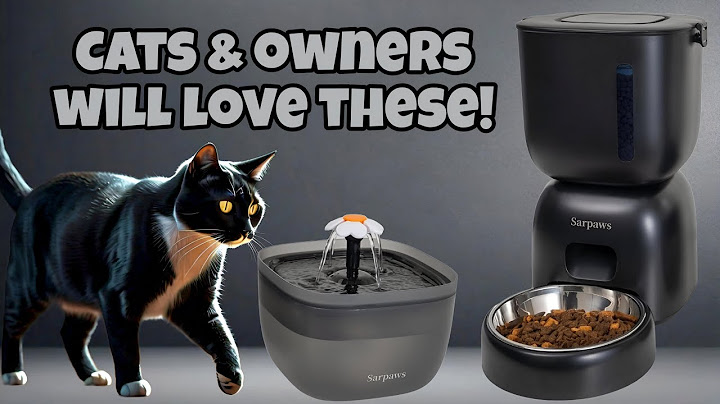
Separate stations versus combined trays
Cats do not necessarily want to eat and drink at an attached station. Many prefer water in a separate, quiet location, and multi-cat homes need multiple resource points. A combined dispenser should therefore be considered one optional station rather than the only place to obtain food and water. If another pet guards the shared area, both resources can become unavailable at once. Place additional fresh water bowls around the home, observe where your cat chooses to drink and ensure the routes are not blocked. Separate feeding areas can reduce tension without changing the hardware.
Cleanable materials and access for pets
Choose food-contact surfaces that are removable and smooth enough to wash thoroughly. Stainless-steel bowls are often easier to inspect for scratches than deeply textured plastic. Avoid designs with narrow internal passages you cannot reach with a brush. The water container should be stable, clear enough to inspect and light enough to refill without spilling. A senior cat may need a low, accessible bowl rather than a tall step-up base. If a product has a pump, check whether its filtration and replacement parts have an accessible manual; do not assume every water component includes a filter.
Water refresh, bowl hygiene and inspection
The FDA recommends washing water bowls daily and washing and drying food bowls after use. Replacing the water does not automatically remove biofilm or food particles from the container wall. Empty the water reservoir, scrub it as instructed and rinse away detergent before refilling with drinking water. For the food side, avoid topping new kibble onto an old dusty layer indefinitely, and keep the food's original package for traceability. Check for trapped moisture, especially where a water tray sits beside dry kibble. If food becomes damp, discard it rather than trying to dry it in place.
Location and food-water separation preferences
Choose a quiet position away from the litter area, washing-machine vibration and direct sunlight. Give the cat an escape route so it never feels trapped between a wall and another animal. Consider offering the water source in another room even if you also use the integrated bowl; the cat can then choose. Watch whether a curious cat bats water into the kibble, or whether the food dispenser rattles next to the drinking spot. Convenience for the owner is valuable, but the cat's sense of safety and access matters more. Make changes gradually instead of relocating both resources overnight.
Features to check before buying
Before ordering, verify whether the food is gravity-fed or timed; whether the water side is gravity-fed, pumped or simply a bowl; and which parts can go in the dishwasher. Compare reservoir volumes only after checking usable bowl space and cleaning frequency. Ask how the dispenser prevents leaks when lifted, and whether replacement seals or filters are sold for the exact model. In multi-pet households, budget for independent stations rather than assuming a large combination unit serves every cat. A basic reliable bowl arrangement can outperform a complex product that is hard to clean.
Frequently asked questions
Should cat food and water be kept together?
Some cats tolerate a combined station, but separate resources may improve choice and reduce conflict. Offer another water source if possible.
Do combo dispensers automatically measure food?
Not always. Many use gravity; read whether the unit is actually programmable.
How often should water be changed?
Give fresh water daily and wash water bowls daily; follow the dispenser instructions for cleaning the reservoir.
Will one combo feeder work for two cats?
It may not provide adequate access if cats compete. Separate feeding and drinking stations can be safer.
Related guides
Read: Automatic Cat Feeders: A Practical Buying and Setup Guide
Read: Cat Feeding Schedule: Planning Meals Without Overfeeding