Gravity Cat Feeders: When a Free-Flow Dispenser Makes Sense
Understand gravity cat feeders, refill mechanisms, cleaning and why a gravity feeder is not a timed portion-control device.
Gravity Cat Feeders: When a Free-Flow Dispenser Makes Sense
A gravity cat feeder holds dry kibble in an elevated container and allows more to drop into a dish as your cat eats. It is simple, usually needs no electricity and can keep kibble available between refills. That convenience comes with a key limitation: a gravity feeder generally does not meter meal-sized portions. Before buying, decide whether unrestricted access is appropriate for your cat and how you will monitor intake.
Gravity feeder basics
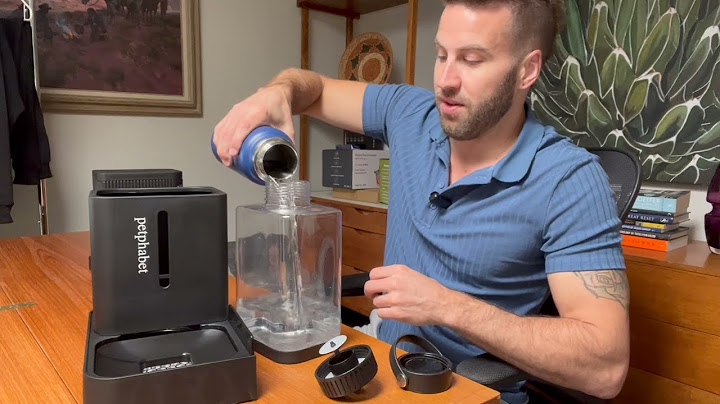
Most gravity dispensers use a hopper above a shallow bowl. As kibble is removed, the remaining food moves downward under its own weight. There is no meal timer and typically no way to stop a cat from snacking whenever it wants. A transparent hopper helps you see when food is low but can also give false reassurance if pellets jam above the outlet. Capacity in liters does not tell you how many days the food will last unless you know kibble density and your cat's actual intake. A gravity unit is best understood as a convenient storage-and-refill station rather than a measured-feeding system.
Gravity versus scheduled automatic feeding
A programmable automatic feeder releases an assigned quantity at scheduled times; a gravity unit offers a continuously replenishing bowl. The difference matters if you need to count calories or avoid leaving food out all day. Gravity feeders generally cannot tell which cat is eating, which makes them a poor choice for separated diets in multi-cat homes. On the plus side, they are easier to operate without Wi-Fi and can be simpler to clean. Neither format is automatically superior: compare it to the problem you want solved. If your cat overeats from a full bowl, choose a measured approach instead.
Food freshness and refill hygiene
Dry kibble can deteriorate in hot, humid conditions, and fat residues build up inside containers over time. Keep food in its original bag when possible so batch details remain available, and do not continuously add new kibble on top of old. Follow the manufacturer's instructions to clean and dry the hopper between refills. Store the feeder away from sunlight, moisture and heat; FDA recommends cool, dry storage for unopened dry pet food. A tightly sealed reservoir may slow exposure but does not convert expired or contaminated kibble into safe food. Look for a removable bowl that can be washed separately.
Overeating and calorie tracking concerns
Free access can make it hard to notice that a cat is eating more than intended or that another pet is taking a share. Cornell warns that free feeding is acceptable for some cats but can lead to overeating and unwanted weight gain in others. Weigh your cat over time and observe how much food disappears between refills. Avoid estimating consumption solely from the empty space in a large hopper. If your cat requires measured calories, a veterinary diet or medication-linked meals, a gravity feeder alone may be insufficient. It cannot provide the feedback needed for those decisions.
When a gravity feeder is a poor fit
This product category is a poor match when multiple pets share a station, one cat aggressively guards food, or a diet requires controlled portions. It is also not appropriate for canned wet food or for soft foods that spoil in a room-temperature hopper. Cats that eat too fast may still eat too fast from a gravity dish. If you choose this system despite uncertain intake, develop a way to record the amount you add, the amount left and the frequency of refills. Stop using the hopper if pellets bridge, stick, become damp or show signs of pests.
Product checklist for cleaning and stability
Choose a stable base that resists tipping and a bowl that provides comfortable whisker clearance. Check the gap where kibble exits for safe cleaning access; narrow channels can trap crumbs. Ensure the hopper can be disassembled without tools that are easy to lose, and confirm replacement parts are available if needed. Place it where your cat can eat quietly, away from litter boxes and busy walkways. Refill with fresh food only after cleaning, and inspect daily rather than treating the feeder as an unattended multi-day solution. Simplicity works best when paired with reliable human routines.
Frequently asked questions
Do gravity cat feeders control portions?
Usually not. Food replenishes as the bowl empties, so the cat may have continuous access.
Can I put wet food in a gravity feeder?
Do not use a dry-kibble gravity hopper for wet food unless the manufacturer explicitly approves it.
Are gravity feeders good for overweight cats?
They may make calorie control difficult. Discuss measured meals and a weight plan with a veterinarian.
How often should I clean the hopper?
Follow the product directions and clean between batches or whenever residues, moisture or odors appear; wash the bowl after use.
Related guides
Read: Automatic Cat Feeders: A Practical Buying and Setup Guide
Read: Cat Feeding Schedule: Planning Meals Without Overfeeding