Microchip Cat Feeder: How It Works and What It Cannot Do
Learn how microchip and RFID cat feeders control food access, work in multi-cat households and differ from timed dispensers.
Microchip Cat Feeder: How It Works and What It Cannot Do
A microchip cat feeder is primarily an access-control device. It recognizes an authorized animal and opens a lid over that animal's food while helping keep other pets out. This can be useful when cats eat different diets, one cat steals meals, or feeding stations need to be more private. It is not automatically a timer or a precise portion dispenser, so understanding the mechanism prevents buying the wrong category.
Microchip versus RFID collar tag and how lids open
Many products recognize the implanted identification microchip already used for pet ID; others accept a compatible RFID collar tag when a pet is not microchipped. The feeder learns approved identities and opens a lid when the recognized pet approaches, then closes after the pet moves away. Check compatibility with your pet's actual chip standard before purchase. Some devices have training modes that slow or stage the lid movement for sensitive cats. RFID is a recognition technology, not a guarantee that another animal can never steal food while the lid is open; physical positioning and observation still matter.
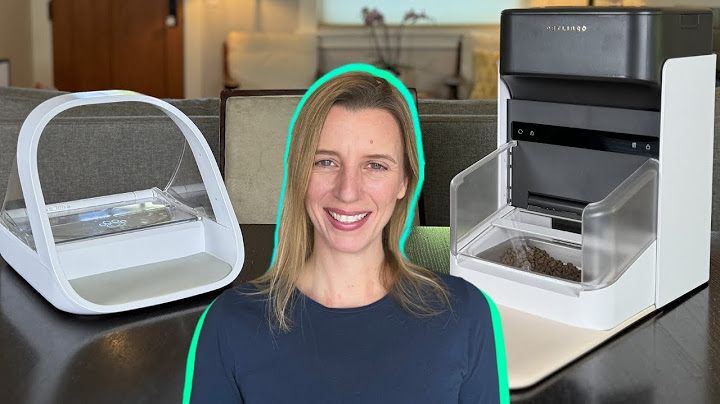
Microchip feeder versus timed automatic dispenser
A timed feeder is designed to release a programmed amount of food at a set time. An access-controlled feeder instead controls which cat can reach food already placed in a bowl. Some models combine functions, but you should not infer scheduling from the phrase 'smart microchip feeder.' For weight management, a microchip bowl may prevent a second pet from eating the portion, while a separate plan still determines calories and meal times. For early morning meal scheduling, a timed dispenser may be more suitable. Decide whether the problem is timing, theft, or both before comparing gadgets.
Using feeders in a multi-cat household
In a multi-cat home, each cat needs safe access without being cornered or forced to eat face-to-face with a rival. Put feeders in different areas, preferably with a visual barrier, and watch for a dominant cat waiting just outside the recognized animal's bowl. Test whether the system reacts fast enough when cats approach together. If a non-authorized cat learns to slip alongside the rightful cat, location changes and supervised feeding may be needed. A high-tech lid cannot resolve every social conflict. A separate quiet feeding station may improve the situation even without buying additional hardware.
Prescription-diet separation without claims of treatment
Some owners use individual-access feeders so a cat on a veterinarian-prescribed food can eat without another pet taking it. This supports diet separation but does not diagnose disease or ensure the intended amount was actually consumed. Mark each cat's bowl and food; have a clear process for refilling the correct meal. When medical treatment requires reliable intake, keep an observation log and ask the veterinarian what to do if the cat refuses a meal. Do not change a prescription diet or feeding dose based on the feeder's marketing claims.
Training cats to use access-controlled bowls
Introduce the uncovered bowl first and let the cat eat near the inactive feeder. Gradually turn on recognition and lid movement following the device's training procedure; reward calm exploration without forcing the cat's head toward the opening. A skittish cat may need days or longer to accept a moving lid. Keep a familiar bowl available during training so the cat does not go hungry while learning. Avoid placing the feeder near an appliance that starts unexpectedly, a litter box or an area where another animal can block the exit. Monitor actual meals rather than merely counting successful lid openings.
Limitations and pet welfare checks
Microchip recognition can fail because of chip compatibility, batteries, pet position or obstruction. Access control can also be defeated by persistent food thieves; check the surrounding space and look for spilled food. Wash bowls, inspect the lid mechanism and replace batteries on schedule. A compatible feeder may still be unsuitable for a cat that is frightened by movement or has difficulty positioning its body. The goal is comfortable, reliable access to nutrition. If conflict or missed meals persist, discuss feeding arrangements with your veterinarian or a qualified feline behavior professional.
Frequently asked questions
Does a microchip feeder use my cat’s existing ID chip?
Many do, but compatibility varies. Check the manufacturer’s chip lookup tool or manual.
Does it dispense food by itself?
Not necessarily. Many microchip bowls only open for a recognized pet and require you to add food.
Can one feeder serve several cats?
Some store multiple authorized identities, but separate stations may be better when diets differ or cats compete.
What if my cat has no microchip?
Certain products can work with a compatible RFID collar tag. Verify the model and provide a breakaway collar when appropriate.
Related guides
Read: Automatic Cat Feeders: A Practical Buying and Setup Guide
Read: Cat Feeding Schedule: Planning Meals Without Overfeeding