How to Compare Skin Care Brands Beyond Marketing Claims
Compare skin care brands using transparency, ingredients, pricing, and suitability rather than unsupported rankings or blanket endorsements.
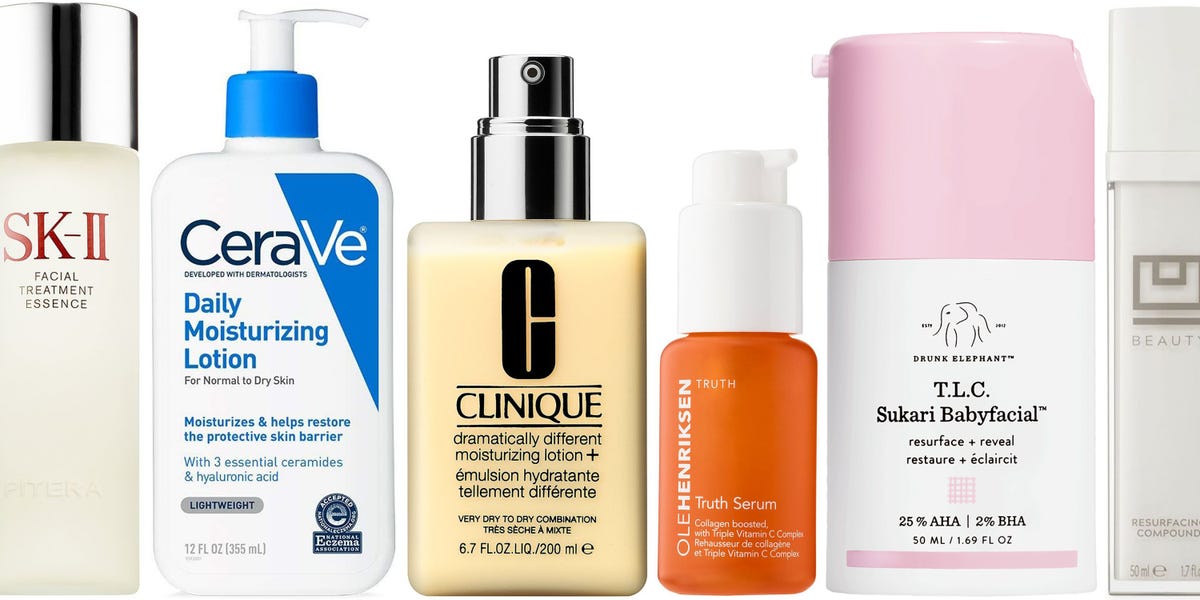
How to Compare Skin Care Brands Beyond Marketing Claims
Asking for the best skin care brand sounds like a simple shopping question, yet brands rarely make equally strong products across every category. A useful comparison looks past advertising to formulation, consistency, price, and whether a product actually meets your needs. Rather than manufacture a universal brand ranking, use a repeatable evaluation system.
Judge the product, not only the logo
Start with the job a product must do. A basic cleanser needs to remove daily buildup without leaving your skin uncomfortable. A moisturizer should suit your skin type. Sunscreen should meet protection requirements and be pleasant enough that you will use it consistently. A brand famous for one serum is not automatically the best choice for these other steps.
Check the ingredient label and instructions for each product separately. Brand reputation can help you decide where to investigate, but it cannot replace skin-type fit or evidence for a particular formula.
Look for transparent, specific claims
A useful product description explains what it does, how to use it, who might avoid it, and what outcome is realistic. Be cautious with phrases such as 'clinically inspired,' 'non-toxic,' or 'dermatologist approved' when they lack a clear definition or supporting details. FDA rules also distinguish ordinary cosmetic claims from claims that make a product a drug.
Treat testimonials as individual experiences rather than proof that a formula will have the same effect on everyone. The same ingredient may perform differently depending on the rest of the formulation.
Compare value instead of sticker price
A larger, inexpensive bottle is not automatically the best value if it expires before you finish it or irritates your skin. Likewise, a luxury package does not necessarily add a measurable skin benefit. Consider price per ounce, amount used each day, return policy, availability, and whether a cheaper product can perform the same basic role.
Spend first on products you use regularly, especially a cleanser you tolerate, a suitable moisturizer, and sun protection. Optional treatments should earn their space by addressing a real concern.
Test fit for different skin types
Dry skin may need richer textures; oily skin may prefer lighter, non-comedogenic products; sensitive skin benefits from carefully chosen, simpler formulas. These are starting points, not rigid rules. A product that works well for your friend may cause redness for you. Patch-test additions and avoid introducing several unfamiliar actives at once.
A brand that repeatedly irritates your skin is a poor fit regardless of its ratings. If reactions persist, consult a dermatologist rather than escalating to stronger products.
Build your own brand scorecard
Compare candidate brands using five columns: product category, clearly supported claims, ingredient/tolerance considerations, cost per use, and reliable availability. Add a note explaining what would make you return or stop using the product. This method produces a shortlist that reflects your own needs rather than another shopper's sponsorships.
Common questions
Is an expensive brand more effective? Price alone does not establish clinical performance.
Can one brand supply an entire routine? It can, but mixing products from different brands is fine if the formulas work well together and suit your skin.
Related reading
professional skincare products