How to Check Whether Skin Care Products Are Vegan
Learn the difference between vegan ingredients and animal-testing claims, plus how to verify product labels and certifications.
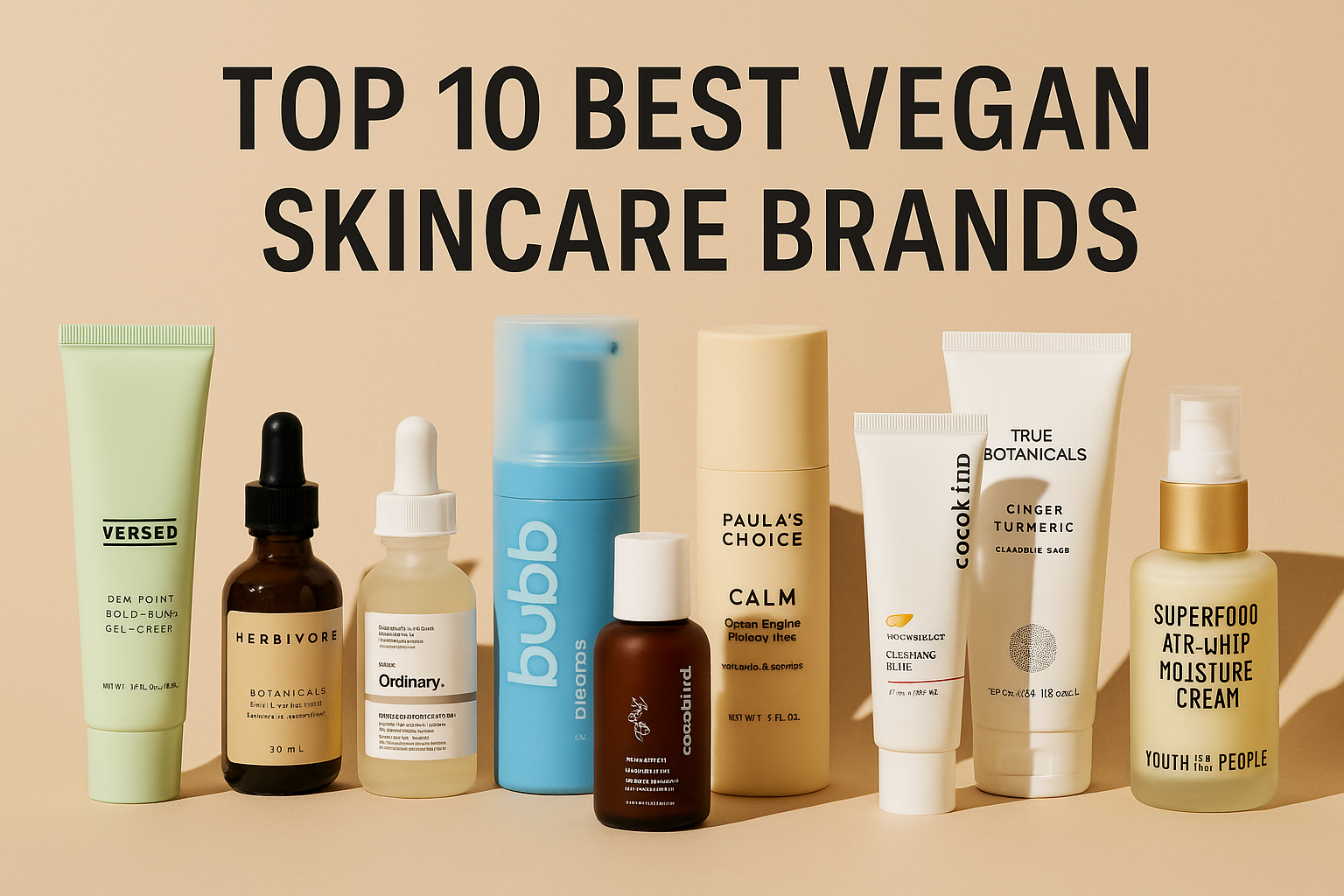
How to Check Whether Skin Care Products Are Vegan
A vegan skin care label concerns ingredient origin: does the finished formula avoid animal-derived ingredients? It does not automatically tell you whether the product was tested on animals, whether it is organic, or whether it will be gentle on your skin. Shoppers can make more useful decisions by separating those questions.
What vegan means in cosmetics
Vegan generally indicates that a product is formulated without ingredients derived from animals, though claims and verification practices vary by brand and program. The entire formulation matters, including minor ingredients and production changes. A botanical-looking package does not prove vegan status, and a product marketed as natural may still contain animal-derived materials.
If vegan purchasing is important to you, look for a clear brand statement applying to the specific product rather than assuming an entire line qualifies. Reformulations can change what a previous description meant.
Ingredients to investigate
Some skin-care formulations use beeswax, lanolin from sheep's wool, honey, or collagen that may be animal-derived. Glycerin and squalane can come from different sources, so the ingredient name alone may not establish origin. Ask a manufacturer for clarification when the label does not say.
A product that avoids one commonly animal-derived ingredient may still contain others. Conversely, a synthetic ingredient is not automatically unsafe just because it was not harvested from a plant.
Read labels and seals carefully
A certification mark can provide a defined standard, but not every seal checks the same things. Find out who operates the program, whether it checks the entire product or selected ingredients, and how often certification is renewed. Claims on retailer listings can lag behind reformulations, so compare the actual package with the brand's current product statement.
Do not rely on a small leaf icon with no supporting explanation. When uncertain, keep a short record of which products have confirmed status and which remain unverified.
Vegan and cruelty-free are different
'Vegan' addresses ingredient origin. 'Cruelty-free' is commonly used for animal-testing policies, including questions about suppliers and third parties. A product can plausibly meet one standard without meeting the other. If both are priorities, check both independently.
Even products that meet your ethical preferences must still be chosen for skin compatibility. Fragrance and strong exfoliants can irritate regardless of whether the ingredients are animal-derived.
Choose for your skin rather than the label alone
Start with the category you actually need: cleanser, moisturizer, sunscreen, or targeted treatment. Check instructions, texture, and personal allergies. Patch-test additions and avoid the assumption that 'plant-based' means hypoallergenic. The U.S. FDA cautions that natural origin is not proof of cosmetic safety.
Common questions
Is vegan the same as organic? No. Ingredient origin and agricultural certification are different questions.
Does a vegan label guarantee no animal testing? No. Verify the brand's animal-testing policy separately.