What Makes Professional Skin Care Products Different?
Understand professional skin care lines, claims, and retail alternatives before deciding whether premium pricing fits your needs.
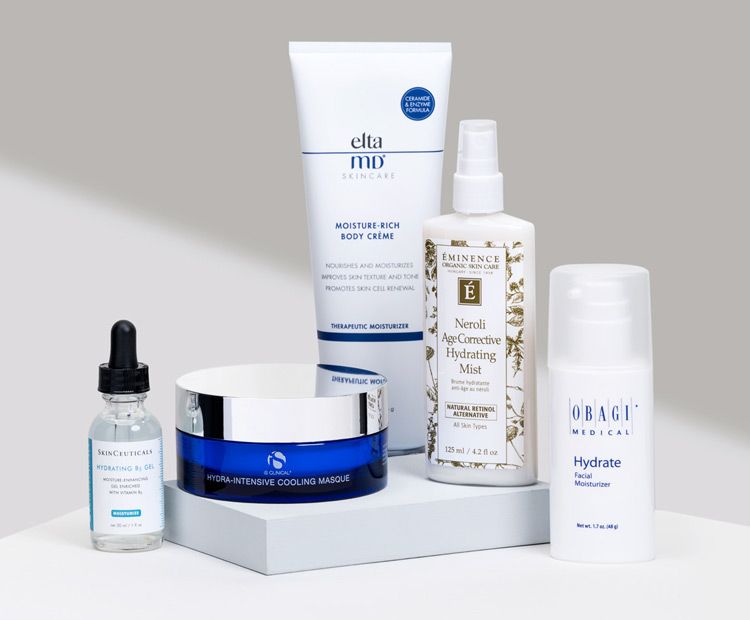
What Makes Professional Skin Care Products Different?
Professional skin care products are frequently sold through clinics, estheticians, and specialist retailers. The word 'professional' may describe the selling channel, consultation experience, or branding; it does not by itself establish better safety or effectiveness than a drugstore product. Here is how to compare the two without confusing prestige with evidence.
What does 'professional' mean?
There is no single, universal U.S. cosmetic category called 'professional grade' that automatically guarantees stronger clinical results. Some brands limit distribution to professionals, and some sell ordinary consumer products alongside treatments used in a clinic. Ask whether a product is intended for home use, requires professional administration, or contains a regulated drug ingredient.
An in-office chemical peel or procedure should not be confused with a take-home serum merely because both carry the same brand name. Products must be evaluated for their particular formulation and intended use.
Where professional products are sold
A clinic may provide an assessment before recommending products. That consultation can be useful when you have a history of irritation or a specific concern, but the selling environment may also involve commercial incentives. Ask why an item is suggested and whether a simpler alternative would meet the same objective.
For online purchases, verify the seller and storage conditions. Unclear supply chains and counterfeit or expired stock are reasons to be cautious, regardless of the brand's positioning.
Concentration is not the same as effectiveness
A higher percentage of an active ingredient may increase irritation without producing a better result for every user. Formula stability, vehicle, frequency, and skin condition can matter. Treatments for acne or other medical conditions may be regulated as drugs in the United States; calling them 'cosmeceuticals' does not create a special category outside FDA rules.
Request specific evidence for a finished product when it makes dramatic claims. An ingredient study at a different concentration does not automatically validate the bottle being sold.
Claims worth questioning
Watch for promises such as 'medical-grade results at home' without a defined outcome, 'guaranteed safe for all skin,' or permanent correction of wrinkles from a cosmetic alone. Professional recommendation and medical prescription are not equivalent. If the formula causes burning, peeling, or prolonged redness, stop and obtain appropriate advice.
Consult a dermatologist when your goal involves treating disease, severe acne, unexplained discoloration, or persistent reactions. Do not self-administer professional-only procedures.
Compare total cost and realistic benefit
Include the purchase price, size, use frequency, cost of repeat visits, and replacement schedule. A basic moisturizer bought at the pharmacy may fit a daily routine perfectly well. A more specialized product may be justified for a specific problem, but that decision needs a clear reason rather than a prestige label.
Common questions
Is 'professional grade' the same as prescription strength? No. Check whether the product is a cosmetic, an OTC drug, or prescription medication.
Can cheaper products work just as well? For everyday cleansing and moisturizing, they may meet the same need; compare the actual products rather than their retail channels.