What to Look for in Cruelty-Free Skin Care Products
Understand animal-testing policies, certification programs, and the difference between cruelty-free and vegan skin care labels.
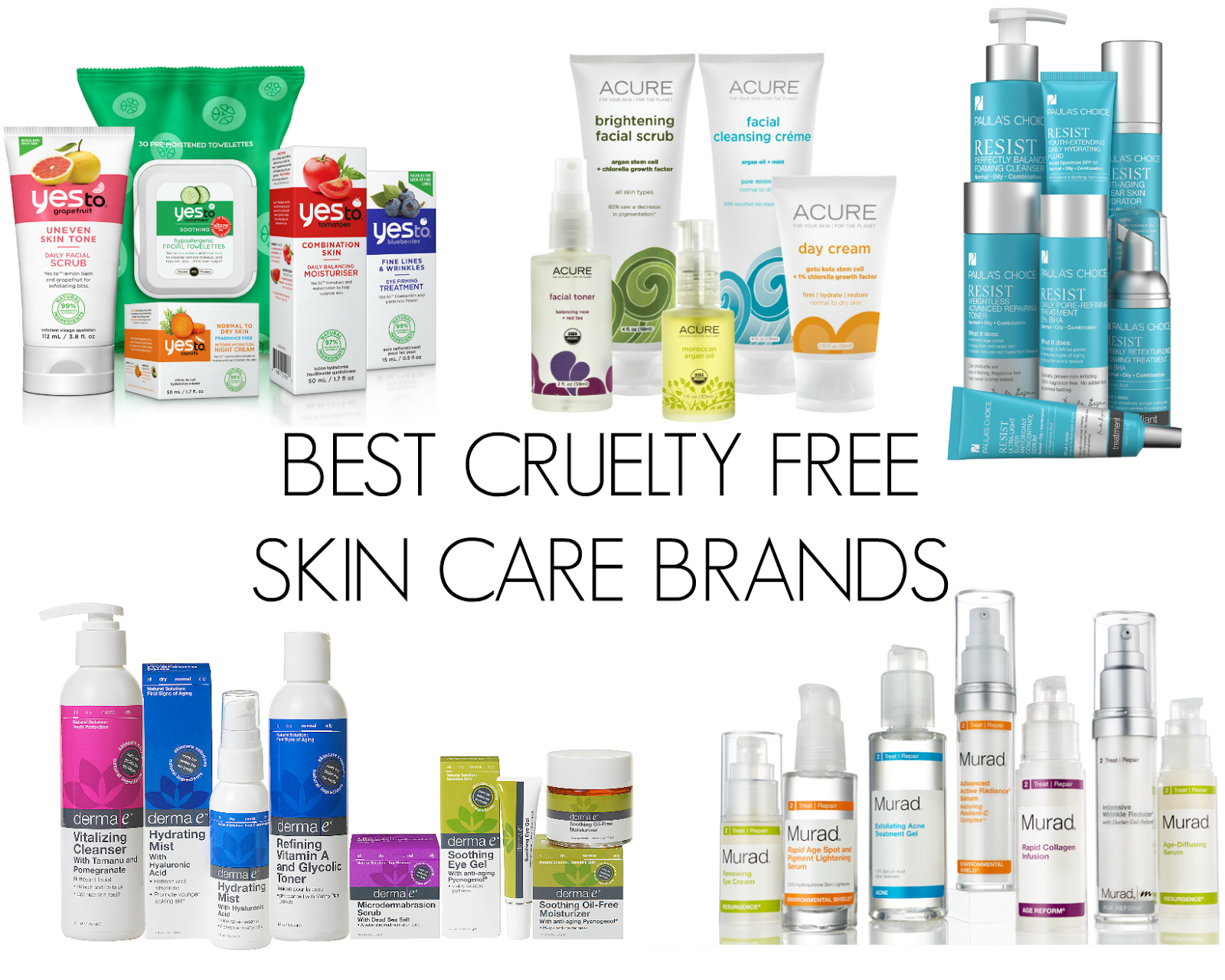
What to Look for in Cruelty-Free Skin Care Products
Cruelty-free skin care claims can reflect a serious commitment to animal-testing policies, but the wording is not automatically a standardized legal certification in the United States. To make an informed choice, look beyond the bunny icon and ask what the company actually verifies about its finished products, ingredients, and suppliers.
What does cruelty-free mean on the package?
In cosmetics marketing, the phrase commonly refers to avoiding animal testing. However, the FDA notes that there is no legal definition governing every use of 'cruelty-free' or 'not tested on animals' on cosmetic labels. A company might mean the finished product was not tested while its suppliers have different practices.
Because the phrase varies, read a specific policy rather than interpreting it as a comprehensive promise. Neither a tagline nor a single product review establishes a supply-chain audit.
Third-party certification versus a self-claim
Independent programs may define requirements for suppliers, ingredient testing, and ongoing checks. A self-issued statement may also contain useful detail, but you need to assess how it is supported. Compare the program's published criteria rather than treating all icons as interchangeable.
Verify that the exact brand or product line appears under the relevant program when such a listing is available. Be cautious with screenshots that may be outdated or refer to a different regional business entity.
Ask about ingredients and suppliers
Helpful questions include whether the policy covers ingredient suppliers, contract manufacturers, and third-party laboratories; whether any exceptions apply; and how the company monitors changes. Some companies also explain their approach to historical ingredient data, regulatory markets, and alternative testing methods.
The goal is not to demand a one-word answer to a complicated supply chain. Look for an answer that names the relevant scope and is consistent over time.
Why cruelty-free is not vegan
A cruelty-free item may still contain beeswax, lanolin, or another animal-derived ingredient. Likewise, a vegan formula may not provide detailed information about animal-testing practices. Shoppers interested in both should look for evidence of each attribute rather than assuming one claim implies the other.
Ethical claims also do not predict skin tolerance. Someone with sensitive skin should still review potential irritants and try new products cautiously.
A verification routine before buying
Check the exact product version, read the brand's current animal-testing policy, examine any independent certification, and confirm that the label or listing has not changed since publication. If the evidence is vague, treat the claim as unverified rather than labeling the company definitively good or bad.
Common questions
Can a cruelty-free product have animal-derived ingredients? Yes. That is why vegan status is a separate question.
Does a bunny picture prove certification? Not necessarily. Verify the seal's issuer and the brand's current status.