Brumation in Reptiles: What It Is and When to Call a Vet
Brumation in Reptiles: What It Is and When to Call a Vet. Discover practical facts, risks, and care considerations before you decide what to do next.
Brumation in Reptiles: What It Is and When to Call a Vet
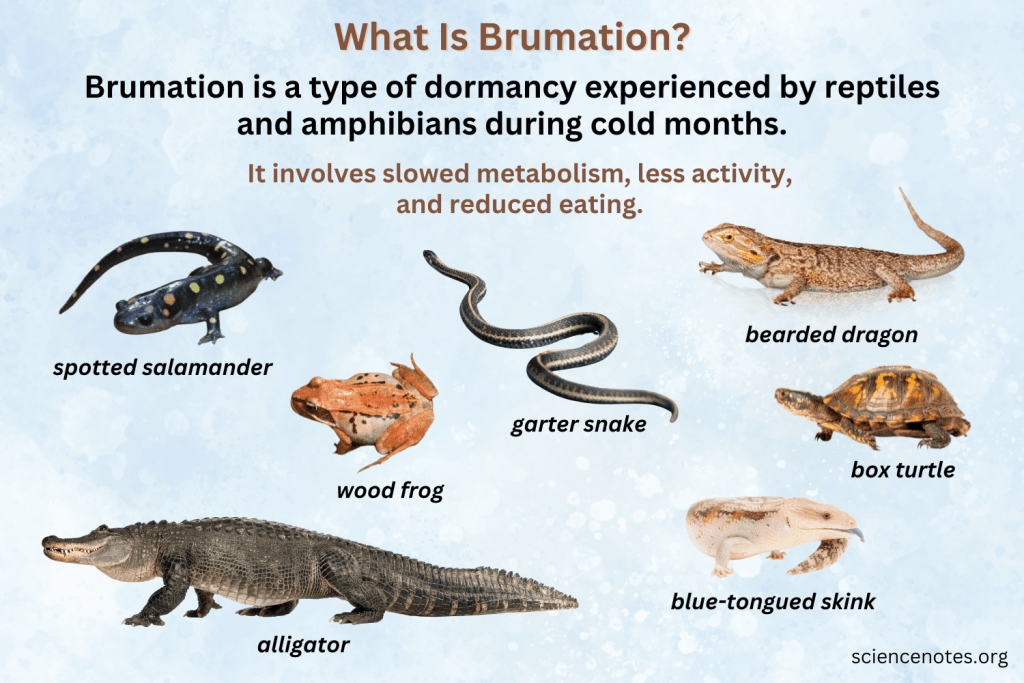
Brumation is a period of reduced activity and feeding associated with seasonal changes in some reptiles. It is not identical to mammalian hibernation, and species differ in whether, when, and how it occurs. An inactive reptile could also be ill, too cold, dehydrated, or exposed to an inappropriate environment.
What the context tells you
Captive animals may show shorter or irregular seasonal changes because lighting and temperature are controlled. Weight loss, weakness, respiratory signs, and abnormal droppings require attention rather than being casually labeled natural dormancy. Breeding-related brumation decisions should be species-specific and professionally planned.
Practical steps and everyday care
Before changing temperatures or lighting, confirm the reptile's health status and correct the regular enclosure setup. Record weight, appetite, activity, and environmental readings. Keep water available according to the species' needs and ask a reptile veterinarian about a safe plan.
The enclosure is part of the animal’s health
Reptile and amphibian care is species-specific. A digital temperature reading at one point is not enough to describe a thermal gradient, and bright visible light is not necessarily suitable UVB. Enclosure size, hiding places, humidity, appropriate substrate, ventilation, and food availability must work together. Before changing supplements or assuming a seasonal slowdown, verify the animal's actual environment and arrange access to a reptile or amphibian veterinarian.
A real-world example
A reptile becomes quiet during winter and its keeper assumes brumation is happening. Yet low temperatures, poor lighting, infection, or dehydration can produce similar signs. Check measured husbandry parameters and body condition before reducing feeds or heat. A reptile with troubling weight loss needs professional assessment, not a dormancy label.
Warning signs and welfare limitations
Never force an unwell animal into brumation or follow a generic social-media cooling schedule. Reptiles can deteriorate while appearing quiet; serious weight loss or labored breathing needs veterinary care.
A quick decision checklist
Confirm the exact species and measured heat, lighting, and humidity conditions.
Differentiate seasonal dormancy from illness and stress; no blanket brumation advice.
Track weight, appetite, shedding, and measured habitat conditions rather than guessing.
Seek qualified veterinary, extension, or species-specialist guidance before using medication or making major changes.
Frequently asked questions
Can I follow a generic reptile care sheet?
Use general information as an introduction only. Species, age, reproductive state, and climate can change the proper setup and diet. If the animal is weak or not eating, a veterinarian should assess it rather than relying on a one-size-fits-all chart.
What is the most important setup check?
Verify temperatures at basking and cool locations, light and UVB suitability where needed, humidity, enclosure space, food, and hiding areas. A single room-temperature reading is not enough.
Related reading
how long do bearded dragons live
Reliable resources for further checking
Editorial status: draft. Check current professional guidance and local rules before publication; urgent symptoms require appropriate veterinary help.
