Uromastyx Care: Heat, UVB, Diet and Habitat
Uromastyx Care: Heat, UVB, Diet and Habitat. Discover practical facts, risks, and care considerations before you decide what to do next.
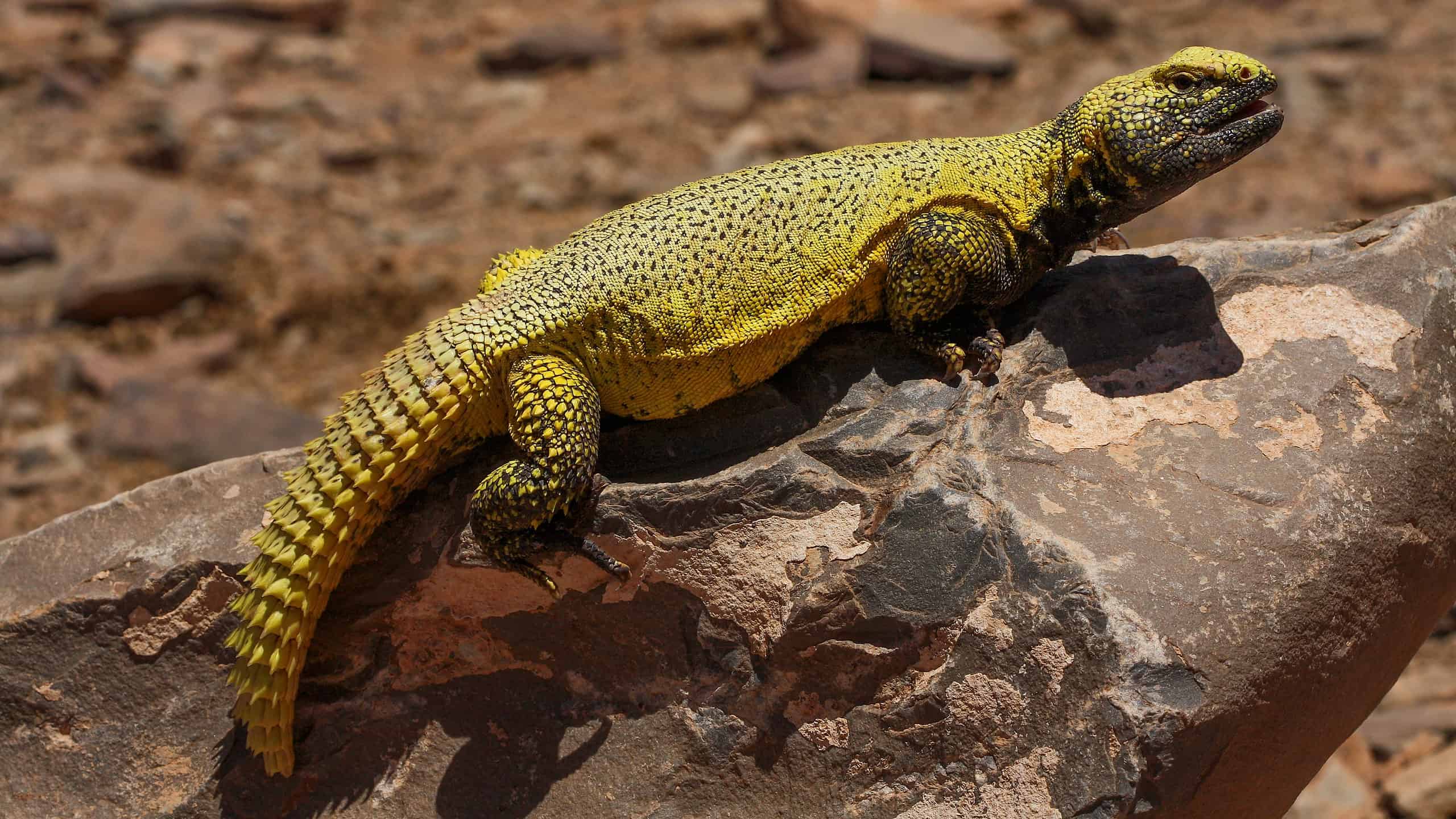
Uromastyx Care: Heat, UVB, Diet and Habitat
Uromastyx are desert-adapted lizards with strong basking needs and dietary requirements that differ from those of many insect-eating pet lizards. Many species primarily consume plant matter as adults. They need spacious, secure enclosures offering a very hot basking area alongside cooler zones and shelters.
What the context tells you
Research the exact species before copying a temperature chart; needs differ across the group. Inadequate UVB or nutrition can contribute to metabolic bone problems. Handling should be gentle, and constant forced interaction is not a substitute for providing secure retreat places.
Practical steps and everyday care
Use properly measured basking and cool-side temperatures, quality UVB equipment, varied appropriate leafy greens and seeds where suitable, and a substrate that supports safe movement. Ask a reptile veterinarian about hydration, parasites, and body condition.
The enclosure is part of the animal’s health
Reptile and amphibian care is species-specific. A digital temperature reading at one point is not enough to describe a thermal gradient, and bright visible light is not necessarily suitable UVB. Enclosure size, hiding places, humidity, appropriate substrate, ventilation, and food availability must work together. Before changing supplements or assuming a seasonal slowdown, verify the animal's actual environment and arrange access to a reptile or amphibian veterinarian.
A real-world example
An owner accustomed to insect-eating lizards might offer a Uromastyx a daily bowl of mealworms. That can misunderstand the animal's primarily plant-based adult diet. Identifying the species and discussing greens, seeds, heating, and UVB with an experienced professional is safer than copying a bearded dragon menu.
Warning signs and welfare limitations
Do not feed an indiscriminate high-protein insect diet simply because other lizards eat insects. Signs such as weakness, persistent dark coloration, abnormal limbs, or anorexia need evaluation rather than an automatic change in supplements.
A quick decision checklist
Confirm the exact species and measured heat, lighting, and humidity conditions.
Explain hot basking zones, species differences and a primarily herbivorous diet.
Track weight, appetite, shedding, and measured habitat conditions rather than guessing.
Seek qualified veterinary, extension, or species-specialist guidance before using medication or making major changes.
Frequently asked questions
Can I follow a generic reptile care sheet?
Use general information as an introduction only. Species, age, reproductive state, and climate can change the proper setup and diet. If the animal is weak or not eating, a veterinarian should assess it rather than relying on a one-size-fits-all chart.
What is the most important setup check?
Verify temperatures at basking and cool locations, light and UVB suitability where needed, humidity, enclosure space, food, and hiding areas. A single room-temperature reading is not enough.
Related reading
how long do bearded dragons live
Reliable resources for further checking
Editorial status: draft. Check current professional guidance and local rules before publication; urgent symptoms require appropriate veterinary help.
