What Do Frogs Eat? Wild Diets Versus Pet Feeding
What Do Frogs Eat Wild Diets Versus Pet Feeding. Discover practical facts, risks, and care considerations before you decide what to do next.
What Do Frogs Eat? Wild Diets Versus Pet Feeding
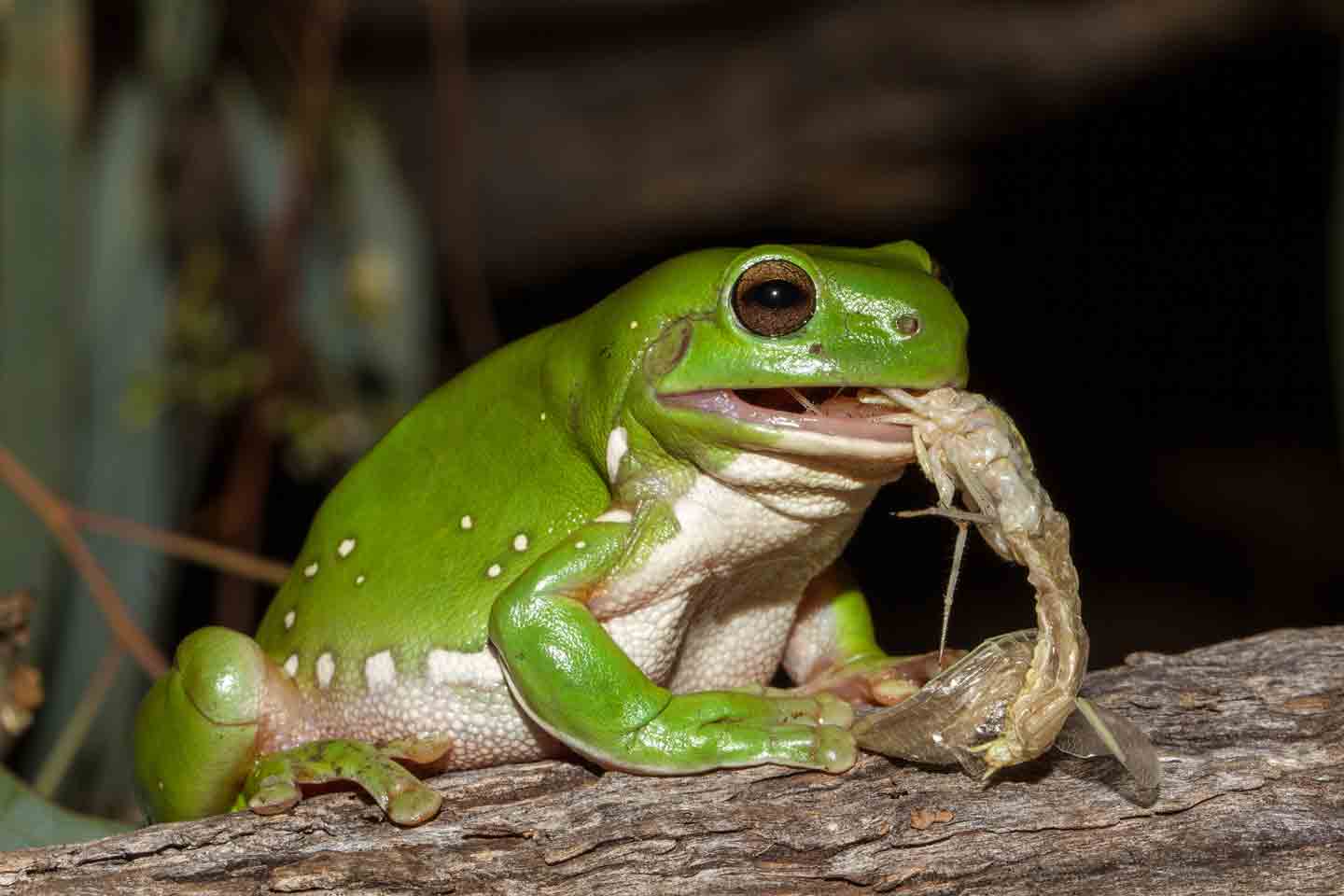
Frog diets vary by species and life stage. Many adult terrestrial frogs catch live insects and other appropriately sized invertebrates, while tadpoles may feed differently. A claim that all frogs eat the same food is misleading, especially when comparing tiny tree frogs with larger aquatic species.
What the context tells you
For captive insect-eating frogs, prey size matters: oversized prey can cause injuries or feeding problems. Feeder insects should be raised or sourced responsibly and gut-loaded as appropriate, with supplements selected for the species and stage. Wild-caught insects may carry pesticides or parasites.
Practical steps and everyday care
Identify the frog before setting feeding frequency or choosing prey. Provide suitable humidity and temperature, a secure enclosure, and clean water free of harmful chemicals. Observe weight and appetite, remove uneaten feeders, and avoid routinely handling the animal.
The enclosure is part of the animal’s health
Reptile and amphibian care is species-specific. A digital temperature reading at one point is not enough to describe a thermal gradient, and bright visible light is not necessarily suitable UVB. Enclosure size, hiding places, humidity, appropriate substrate, ventilation, and food availability must work together. Before changing supplements or assuming a seasonal slowdown, verify the animal's actual environment and arrange access to a reptile or amphibian veterinarian.
A real-world example
A tiny tree frog offered a large cricket may not be able to capture or swallow it safely. Feeding plans should match prey size and the amphibian's species, with proper feeder nutrition and careful attention to water quality. A wild frog in a garden may have a completely different food supply from a captive aquatic frog.
Warning signs and welfare limitations
A frog that stops feeding, loses weight, develops abnormal skin, or becomes unusually weak may have husbandry or medical problems. Seek an amphibian-experienced veterinarian; do not force-feed or use medications designed for fish without advice.
A quick decision checklist
Confirm the exact species and measured heat, lighting, and humidity conditions.
Explain insectivory, species-specific prey size and gut-loading of captive feeder insects.
Track weight, appetite, shedding, and measured habitat conditions rather than guessing.
Seek qualified veterinary, extension, or species-specialist guidance before using medication or making major changes.
Frequently asked questions
Can I follow a generic reptile care sheet?
Use general information as an introduction only. Species, age, reproductive state, and climate can change the proper setup and diet. If the animal is weak or not eating, a veterinarian should assess it rather than relying on a one-size-fits-all chart.
What is the most important setup check?
Verify temperatures at basking and cool locations, light and UVB suitability where needed, humidity, enclosure space, food, and hiding areas. A single room-temperature reading is not enough.
Related reading
how long do bearded dragons live
Reliable resources for further checking
Editorial status: draft. Check current professional guidance and local rules before publication; urgent symptoms require appropriate veterinary help.
