How Long Do Bearded Dragons Live? Lifespan and Care
How Long Do Bearded Dragons Live Lifespan and Care. Discover practical facts, risks, and care considerations before you decide what to do next.
How Long Do Bearded Dragons Live? Lifespan and Care
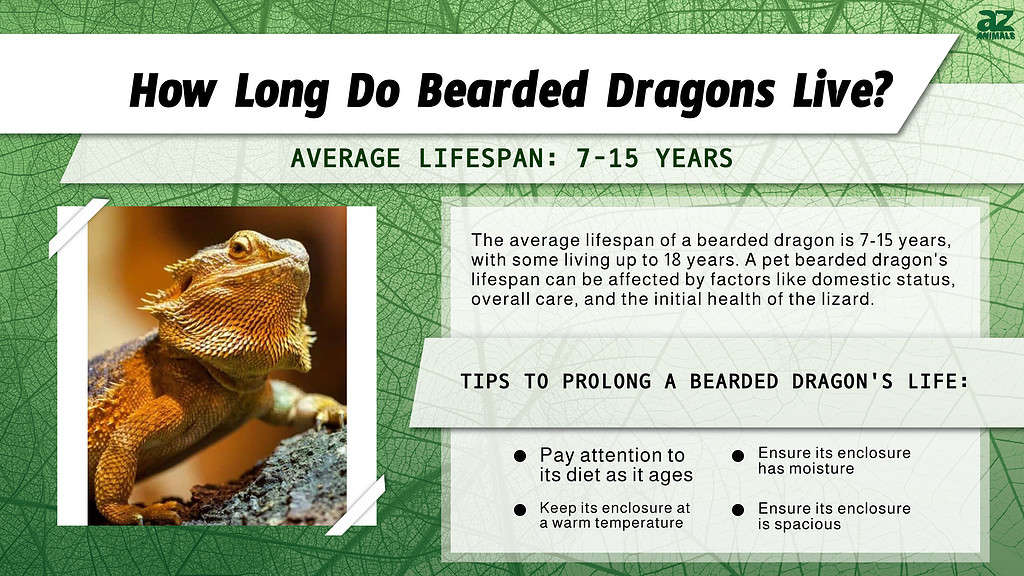
Bearded dragons can live many years in captivity, often around a decade or longer with appropriate care, but no individual lifespan is guaranteed. Species, genetics, early-life conditions, nutrition, veterinary care, and enclosure quality all influence outcomes. A purchase should be treated as a long-term commitment, not a short childhood project.
What the context tells you
Reliable basking temperatures, a usable thermal gradient, appropriate UVB lighting, and a species- and age-appropriate diet are core husbandry issues. Poor calcium metabolism can cause serious bone disease. Commercial setups marketed as complete may still need upgrades for an adult dragon.
Practical steps and everyday care
Review the enclosure's actual measured temperatures, lamp positioning and replacement schedule, hydration, diet variety, and fecal health. Monitor body condition rather than encouraging rapid weight gain. Find a reptile-experienced veterinarian before illness occurs.
The enclosure is part of the animal’s health
Reptile and amphibian care is species-specific. A digital temperature reading at one point is not enough to describe a thermal gradient, and bright visible light is not necessarily suitable UVB. Enclosure size, hiding places, humidity, appropriate substrate, ventilation, and food availability must work together. Before changing supplements or assuming a seasonal slowdown, verify the animal's actual environment and arrange access to a reptile or amphibian veterinarian.
A real-world example
A dragon with a large terrarium but an old UVB lamp may still have an inadequate environment. Owners should check manufacturer replacement guidance, measured basking temperatures, calcium availability, and diet rather than judging care by enclosure size alone. A long potential lifespan depends on doing those basics well year after year.
Warning signs and welfare limitations
Lethargy, swollen jaw or limbs, repeated falls, failure to eat, or abnormal movement should not be dismissed as aging or brumation. Good care helps, but an online lifespan average cannot predict a pet's future.
A quick decision checklist
Confirm the exact species and measured heat, lighting, and humidity conditions.
Separate captive lifespan estimates from husbandry drivers and medical red flags.
Track weight, appetite, shedding, and measured habitat conditions rather than guessing.
Seek qualified veterinary, extension, or species-specialist guidance before using medication or making major changes.
Frequently asked questions
Can I follow a generic reptile care sheet?
Use general information as an introduction only. Species, age, reproductive state, and climate can change the proper setup and diet. If the animal is weak or not eating, a veterinarian should assess it rather than relying on a one-size-fits-all chart.
What is the most important setup check?
Verify temperatures at basking and cool locations, light and UVB suitability where needed, humidity, enclosure space, food, and hiding areas. A single room-temperature reading is not enough.
Related reading
Reliable resources for further checking
Editorial status: draft. Check current professional guidance and local rules before publication; urgent symptoms require appropriate veterinary help.
